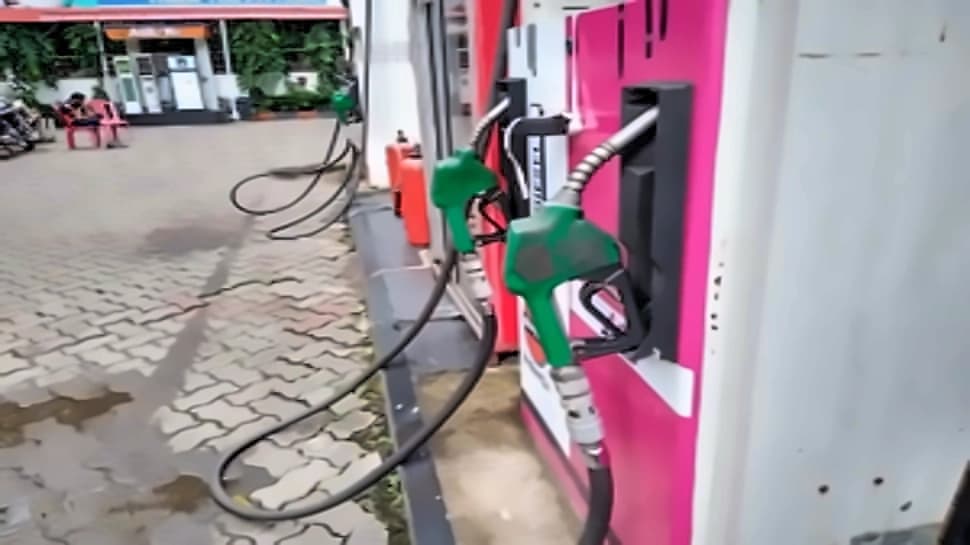
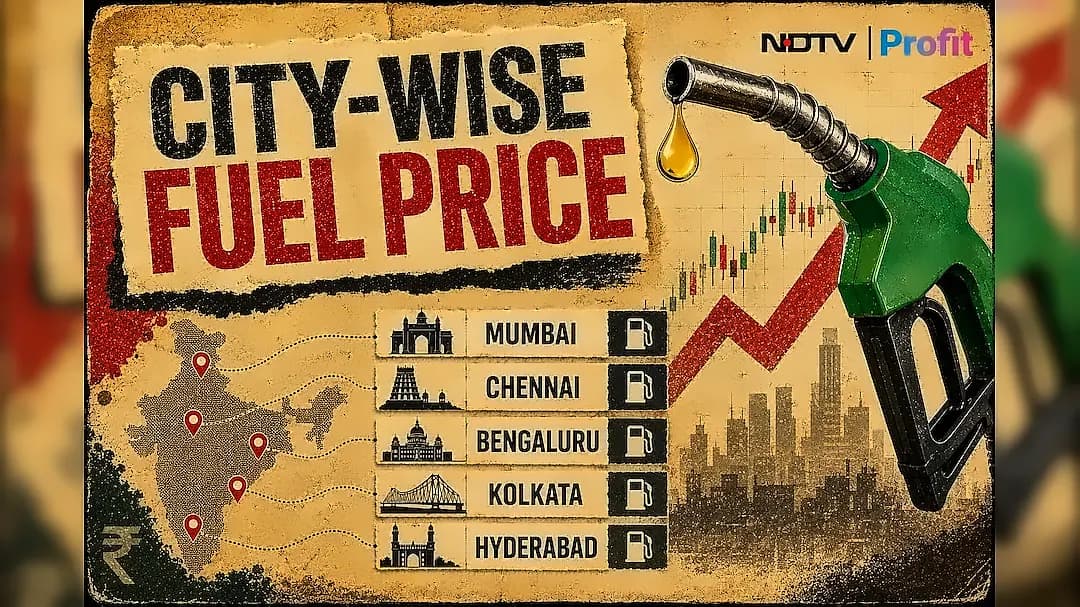
India announced its first fuel price increase in over four years on Friday, raising petrol by ₹3 per liter to ₹97.77 and diesel to ₹90.67 per liter in New Delhi. According to All India Radio, this marks the end of a price freeze that began in April 2022. The hike comes after Prime Minister Modi urged people to reduce fuel consumption through measures such as working from home and cutting his motorcade size to save fuel. Authorities in New Delhi also announced two days a week of work from home for government employees. India procures almost 50% of its energy supplies, worth $180 billion in 2024, from the Middle East, making it particularly vulnerable to the ongoing regional tensions.
India's crude oil stocks have fallen 15% since the Iran conflict began in end-February, according to estimates by commodities data and analytics firm Kpler. The country's crude stocks are currently at 91 million barrels, slipping from 107 million barrels at the end of February. As reported by The Economic Times, India's crude imports averaged 4.5 million barrels per day in the past two and a half months, declining from the pre-war level of 5 million barrels per day. The stock estimates include strategic petroleum reserves (SPR), commercial inventories, and refinery stocks, excluding pipeline stocks. According to Sujata Sharma, joint secretary in the petroleum ministry, the stock estimate includes cargoes loaded on India-bound ships. The divergence between Kpler's 18-day coverage figure and the Indian government's 60-day claim reflects different measurement scopes, with Kpler's methodology excluding pipeline stocks while the government's figure incorporates both pipeline inventories and cargoes already loaded onto India-bound vessels at origin ports.
India's oil marketing companies have absorbed losses of close to ₹10 billion ($104.5 million) per day to protect consumers from global oil price volatility, according to government officials. As reported by Anadolu Agency, this represents a significant financial burden as companies work to ensure the "burden of global astronomical prices is not passed to Indian citizens." The government's decision to absorb these losses through subsidies has protected consumers but incurred significant fiscal expense, with public sector companies managing operations within complex government policies and regulations. Major Indian oil firms, such as Indian Oil Corporation, currently show a Price-to-Earnings ratio between 5.48 and 8.54, suggesting current market conditions and potential stability, though it's below industry averages.
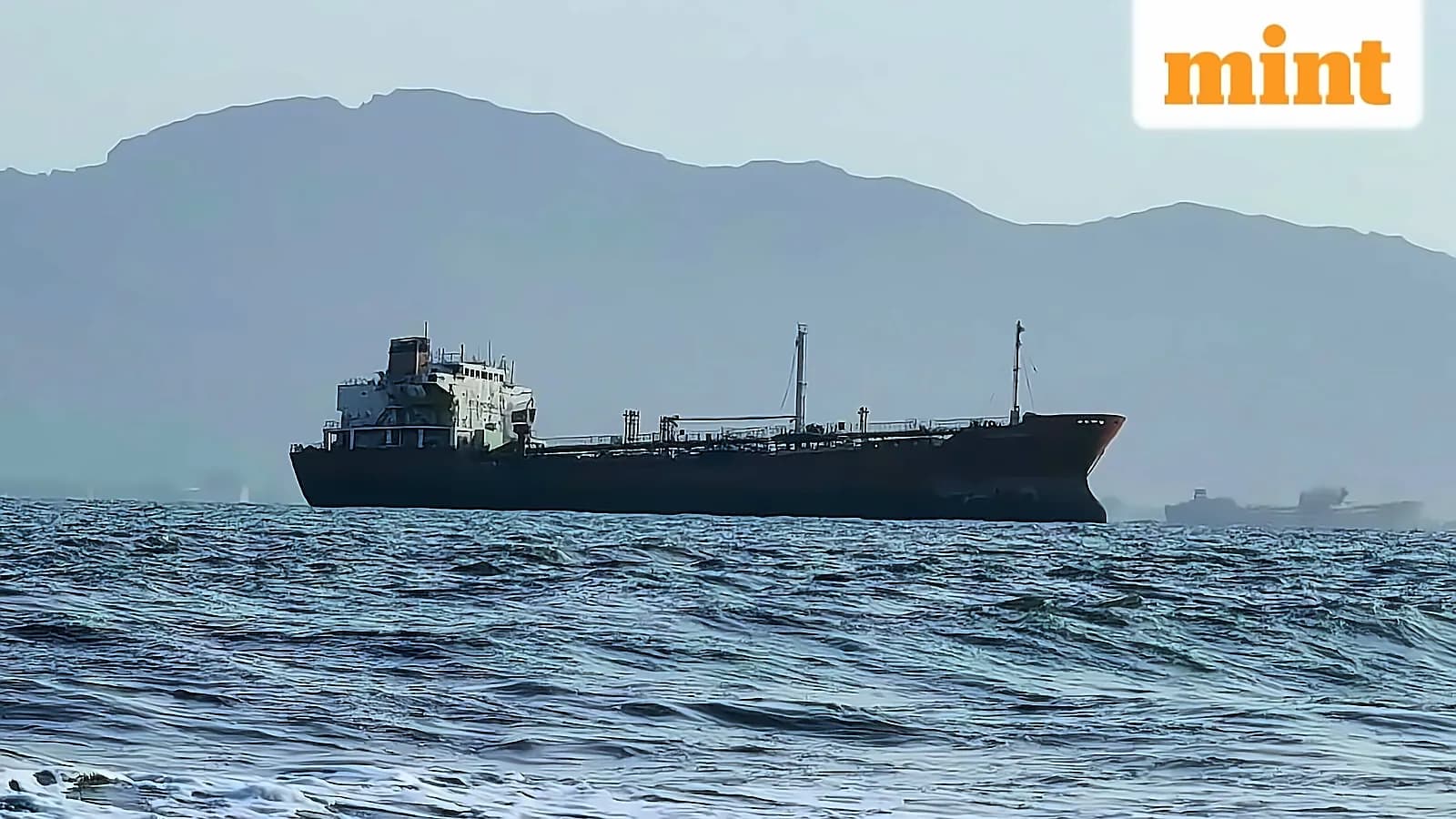
India has been working to secure its energy supply by diversifying import sources, expanding its supplier list from 27 to 41 countries, though new sources have not fully made up for the loss of Middle Eastern oil. This highlights India's significant reliance on the Strait of Hormuz, through which about 52% of its crude imports travel. India last month announced that it has resumed oil purchases from Iran for the first time in seven years, amid the ongoing conflict in the Middle East. The Strait of Hormuz, a key global waterway through which roughly 20% of global oil shipments pass, has faced severe disruption due to the conflict. India's strategic petroleum reserves (SPR) currently hold 21 million barrels as of May 2026, considerably lower than major consumers like China, which has 1,541 million barrels, or the United States, with 413 million barrels.
The near closure of the Strait of Hormuz has cut oil output from the Gulf by 14.4 million barrels per day below pre-war levels, severely impacting global oil supply which declined by a further 1.8 million barrels in April 2026 to 95.1 million barrels, taking total losses since February to 12.8 million barrels. According to the International Energy Agency (IEA), global oil inventories fell by 129 million barrels in March and by a further 117 million barrels in April. Saudi Arabia and the UAE continued shipments while Iraq and Kuwait, which depend entirely on the Strait of Hormuz, have been unable to export any volumes. The IEA has explicitly warned that further price volatility is probable as the peak summer demand season approaches, a period when consumption typically rises across both developed and emerging economies simultaneously. Global oil markets are expected to remain undersupplied through the third quarter of 2026, even if the current conflict ends soon.