Oil Minister Hardeep Singh Puri emphasized the urgent need for sustained dialogue between oil producers and consumers to address global energy challenges. Speaking at the seventh high-level meeting of the OPEC-India Energy Dialogue, held on 22nd September 2026 in New Delhi, Puri highlighted that such discussions are essential to support investment, strengthen energy resilience, and ensure reliable energy supplies for global growth and development. The meeting was co-chaired with Organization of the Petroleum Exporting Countries (OPEC) Secretary General Haitham Al Ghais. According to Business Standard, both parties reviewed short-, medium- and long-term outlooks, with discussions focusing on oil market stability, energy security and the importance of adequate and timely investment across the oil industry. As per the latest reports from Mint, the dialogue comes amid heightened uncertainty in the global energy market, with the war in West Asia adding to oil supply concerns.
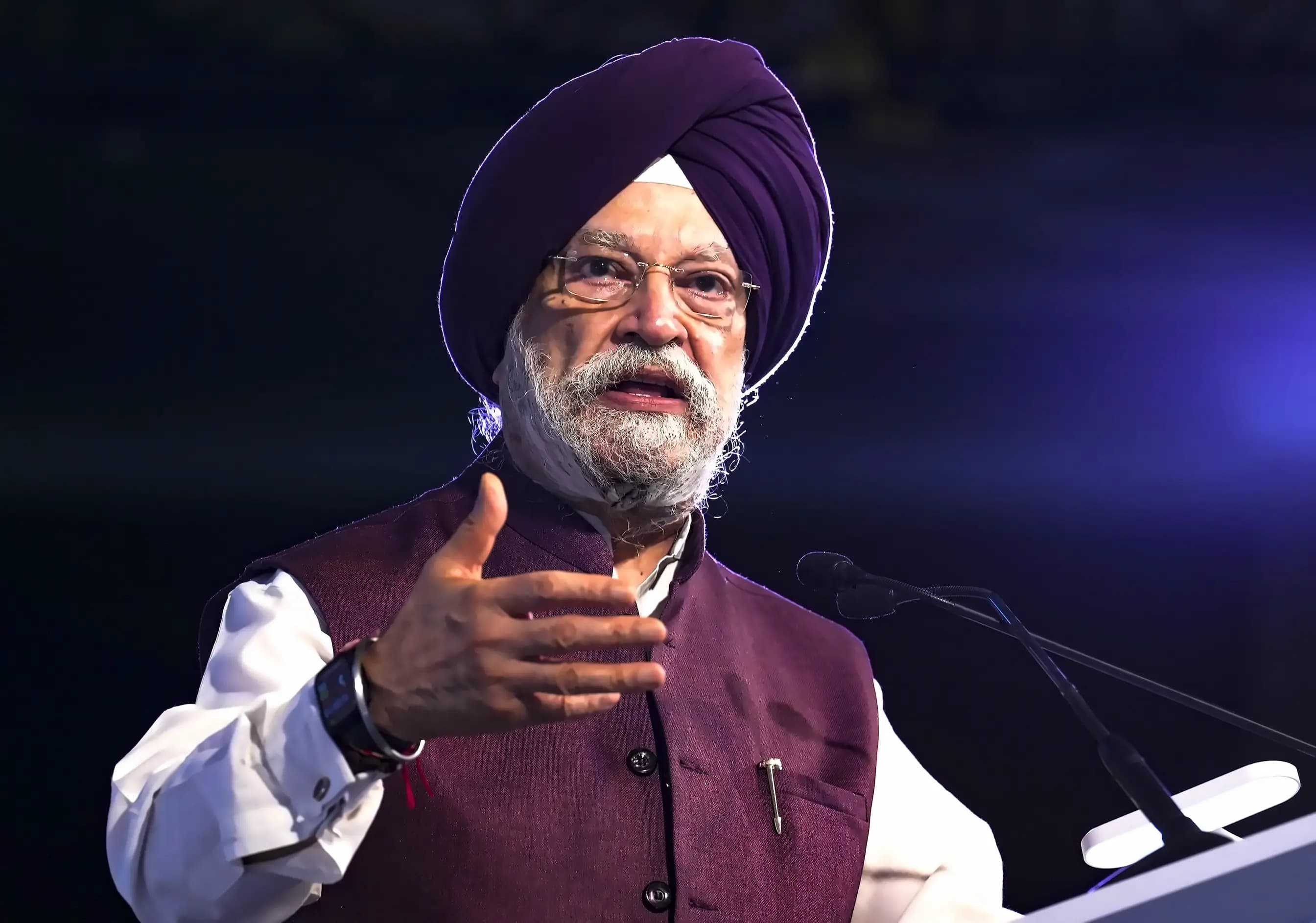
The ongoing West Asia crisis has potential to worsen as tensions between the US and Iran have escalated in recent weeks, according to Oil Minister Hardeep Singh Puri. Speaking at the Public Affairs Forum of India (PAFI) 13th Annual Forum on Thursday, Puri warned that closure of key chokepoints, including the Strait of Hormuz and Bab-el-Mandeb, amid the West Asia crisis would create supply challenges. Despite global crude supply of 102 million barrels per day exceeding demand of 94-95 million bpd, the minister noted that India has successfully navigated the crisis so far but cannot guarantee continued success if the conflict escalates. Recent analysis reveals that 5 million barrels of oil disappeared from the global market overnight due to attacks on Gulf infrastructure, highlighting the severity of current supply disruptions. Crude prices reached a four-month high of around $110 per barrel earlier this month, with the November contract of Brent trading at $98.03 per barrel as of the latest reports.
India's robust refining capacity of 267 million tonnes per annum (mtpa) helped ensure fuel availability in the country despite supply challenges at the peak of the war, according to Puri. The minister emphasized that India's refining capacity is expected to be ramped up to 320 mtpa by 2030, further strengthening energy resilience. During the dialogue, Hardeep Singh Puri emphasized that India and OPEC share a naturally complementary and mutually beneficial relationship and thanked the Secretary General for his contribution in strengthening this partnership. As reported by Business Standard, Puri noted that as one of the world's fastest-growing major economies, India will remain an important driver of global energy demand in the decades ahead. According to Mint, OPEC Secretary General Al Ghais praised India's "balanced, realistic and pragmatic approach to addressing energy challenges", adding that "many of India's energy priorities are OPEC's priorities" and calling dialogue with India a priority for OPEC.
The war has significantly impacted India's oil import dependencies, with Saudi Arabia, Iraq, and the UAE accounting for about 60-70% of India's oil imports prior to the war, which started on 28 February 2026. However, their combined share has since fallen to about 30% due to the conflict. India imports 90% of its crude oil requirements, making it highly vulnerable to supply disruptions. As per Mint, OPEC Secretary General Al Ghais highlighted India's importance within the current global energy landscape, noting that this importance will only increase in the decades ahead. The parties agreed to hold the eighth high-level meeting of the OPEC-India Energy Dialogue at a mutually convenient date in Vienna, Austria.