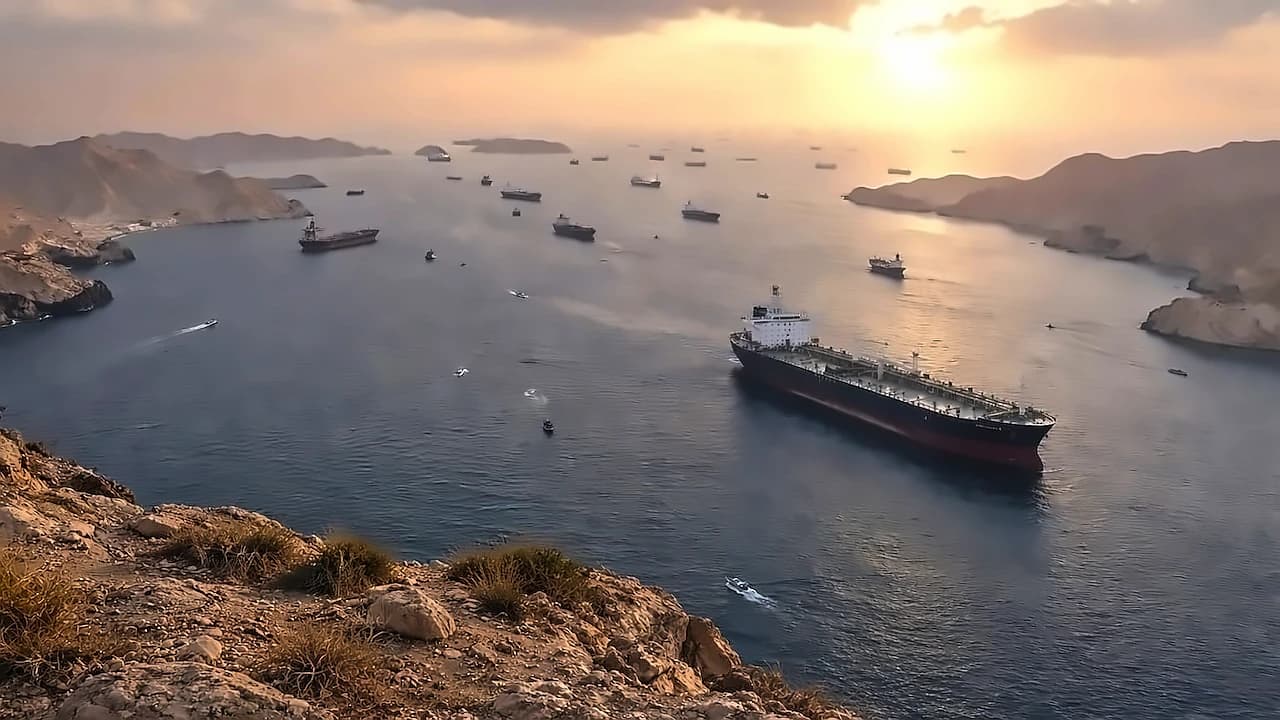
Fifteen vessels carrying fertilisers and inputs bound for India have crossed the Strait of Hormuz since the easing of tensions between Iran and the US, according to the ministry of chemicals and fertilisers. The vessels include eight carrying 3.32 lakh tonnes of urea, four carrying 2.57 lakh tonnes of di-ammonium phosphate (DAP), and three carrying 1.11 lakh tonnes of sulphur. As reported by The Hindu BusinessLine, all these consignments are expected to arrive as planned, with the government maintaining uninterrupted fertiliser availability through "timely planning, effective coordination and continuous monitoring." Sources indicate that around 20 vessels carrying fertilisers and inputs bound for India had been stranded for days on the other side of the Strait of Hormuz due to the Iran-US conflict, with the remaining five vessels awaited. The ministry confirmed that natural gas supply to urea plants, which had dropped to nearly 65% during the disruption after war, has now been fully restored to 100%, allowing all plants to operate at full capacity.
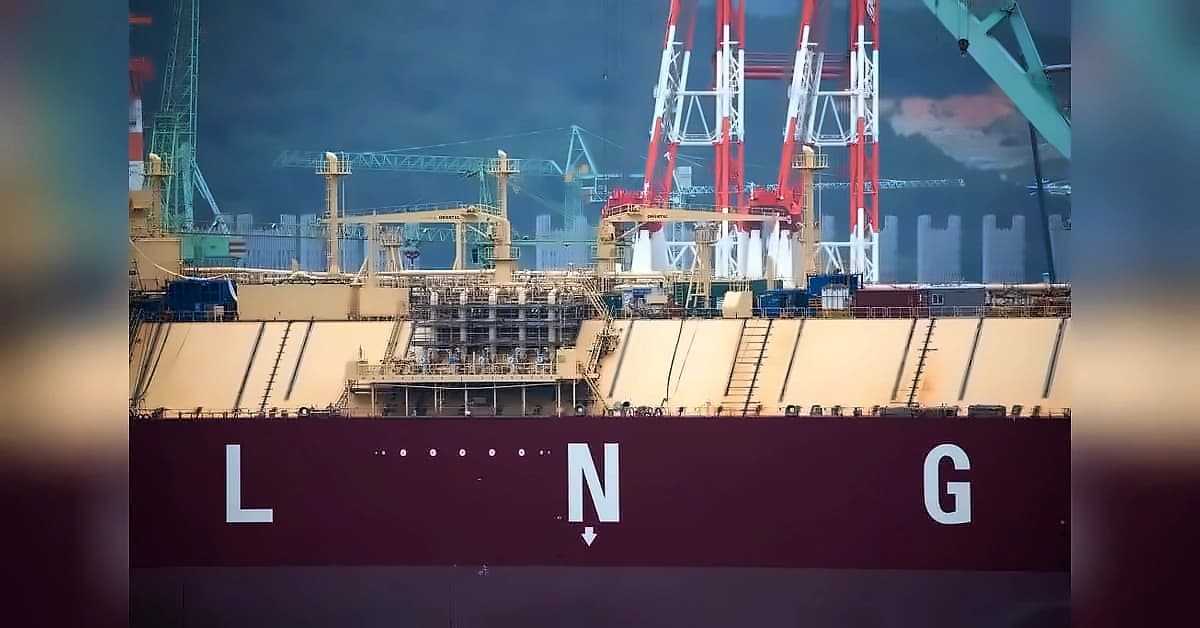
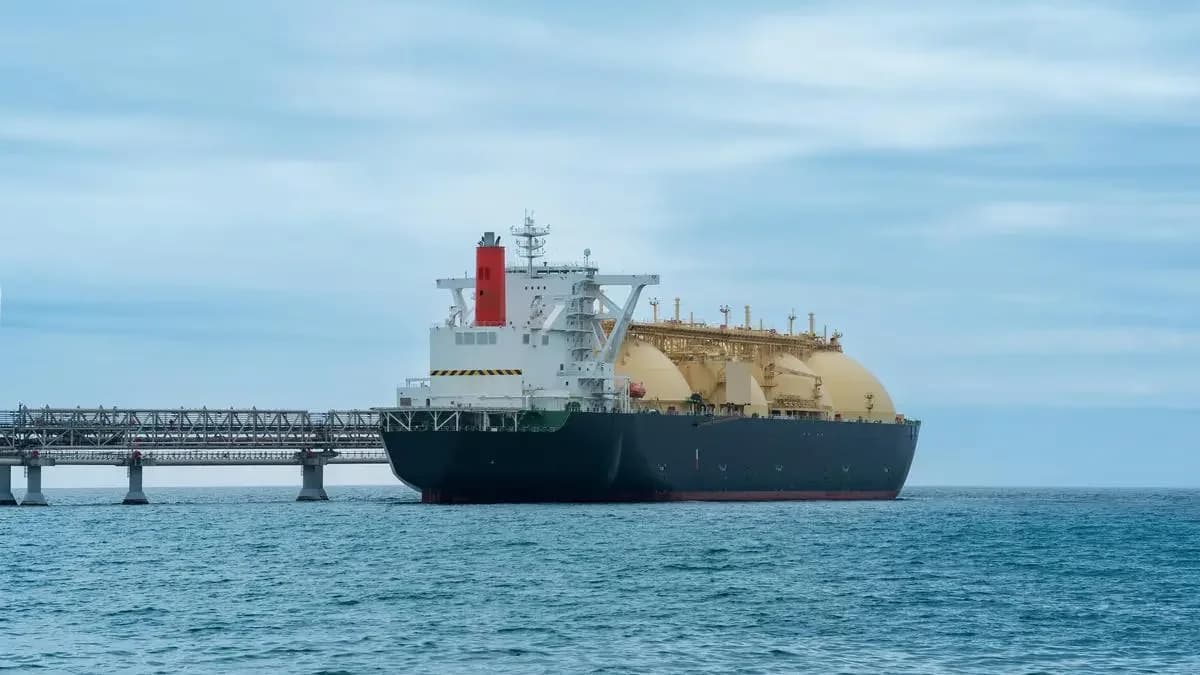
India has withdrawn emergency natural gas supply curbs after Middle East LNG supply resumed, signalling improved energy security and normalised operations. According to a gazette notification on Saturday (July 4, 2026), the government lifted the March 2026 order that had regulated natural gas supply due to the conflict in West Asia. The government stated that the ongoing conflict had resulted in disruption of liquefied natural gas shipments through the Strait of Hormuz, with suppliers invoking force majeure clauses that entailed diversion of natural gas to priority sectors. The July 4 amendment formally deletes these operative controls, effectively ending the government-directed allocation mechanism introduced during the crisis and allowing gas suppliers to move away from emergency diversion arrangements as LNG cargoes resume. As reported by The Times of India, the ministry confirmed that "the situation has since improved, with a ceasefire in place, negotiations underway and maritime traffic through the Strait of Hormuz resuming."
Natural gas supplies to fertiliser plants have been fully restored to 100 per cent after dropping to around 65 per cent of requirements immediately after the war, according to the ministry of chemicals and fertilisers. This restoration has enabled all urea plants across the country to operate at full capacity, resulting in a significant increase in domestic production. In Q1 FY27 (April-June), India produced 71.55 lakh tonnes of urea against a target of 67.86 lakh tonnes, rising to 2.51 million tonnes in May against the target of 2.25 million tonnes. The production continued at 2.53 million tonnes in June against the target of 2.46 million tonnes. As reported by The Hindu BusinessLine, overall in the first quarter of FY27 (April-June), India produced 7.15 million tonnes of urea against the target of 6.78 million tonnes, thereby exceeding the target by 0.36 million tonnes. Additionally, during April-June, India produced 0.98 million tonnes of DAP against a target of 0.86 million tonnes, 2.07 million tonnes of NPKS and 1.35 million tonnes of SSP. The ministry also confirmed that India has already secured 197.56 lakh tonne of fertiliser against the annual requirement of 383.9 lakh tonne, covering more than 51 cent of the country's yearly demand.
Despite the recent Middle East disruptions, India has successfully diversified its fertiliser supply sources to maintain adequate availability. According to the ministry of chemicals and fertilisers, supplies have been arranged from Oman, Malaysia, Vietnam, Georgia, Nigeria, Russia, Finland, Egypt, Algeria, Turkiye and the Netherlands for urea. For DAP and NPK fertilisers, cargoes have been secured through the Red Sea route from Russia, Morocco, Egypt, the US, Jordan, South Korea, Tunisia and Saudi Arabia. Union minister for chemicals and fertilisers JP Nadda acknowledged that the crisis had severely disrupted global supply chains, resulting in higher fertiliser prices and longer transit times, with India also feeling the impact. However, he attributed the government's success in safeguarding farmers' interests to proactive measures taken by the department of fertilisers under the guidance of Prime Minister Modi. As of July 2, total fertiliser availability stands at 163.35 lakh tonne, with urea stocks at 69.08 lakh tonne, DAP at 16.64 lakh tonne, Muriate of Potash at 8.90 lakh tonne, NPK at 45.64 lakh tonne and SSP at 23.09 lakh tonne.
Against the Kharif season's fertilisers demand of 383.9 lakh tonnes during April-September period, India has 163.65 lakh tonne of stock as of July 2, which is 43 per cent of the requirement, according to The Hindu BusinessLine. The government is confident of meeting the demand for July-September period due to continuous higher domestic production. As on July 2, urea stocks stood at 69.08 lakh tonne, di-ammonium phosphate (DAP) at 16.64 lakh tonne, Muriate of Potash (MoP) at 8.90 lakh tonne, complex (combination of N, P, K nutrients) at 45.64 lakh tonne and single super phosphate (SSP) at 23.09 lakh tonne, taking total availability to 163.35 lakh tonne. The ministry stated that the combination of diversified imports, higher domestic output and adequate stocking had ensured satisfactory fertiliser availability across the country, reiterating the government's commitment to safeguarding farmers' interests through timely supply measures.
According to a recent Gastech report, India, the fourth-largest importer of LNG, depends heavily on overseas supplies. As reported by the government notification, Qatar accounts for 41.4 per cent of LNG imports, while the country imported 27 million tonnes of LNG in FY25, of which 11.2 million tonnes were sourced almost entirely from Ras Laffan. The US EIA data indicates that 83 per cent of LNG shipped through the SoH in 2024 went to Asian markets, with China, India, Japan, and South Korea accounting for 59 per cent. This heavy reliance on Middle Eastern LNG sources made India particularly vulnerable to the shipping disruptions that had threatened energy security. As reported by Business Standard, about 40-45 per cent of India's crude oil imports and nearly 65 per cent of its liquefied natural gas (LNG) supplies come from West Asia, underscoring the country's vulnerability to disruptions in the Strait of Hormuz.