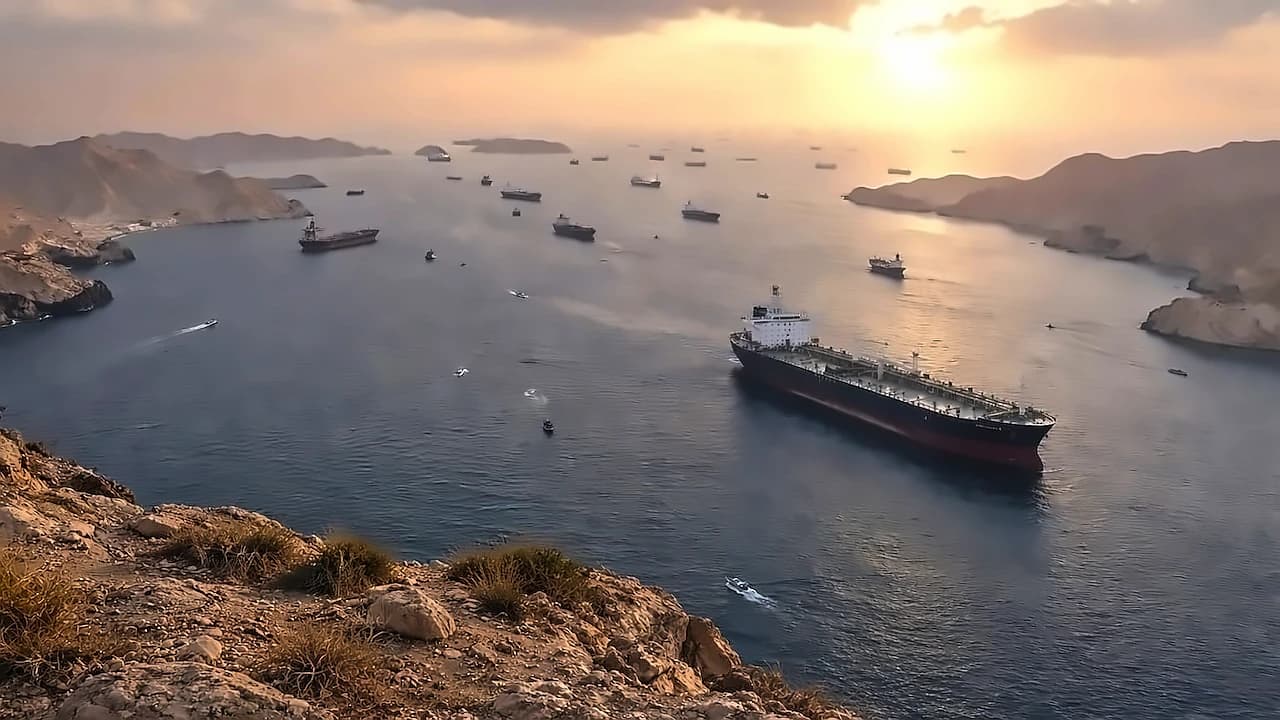
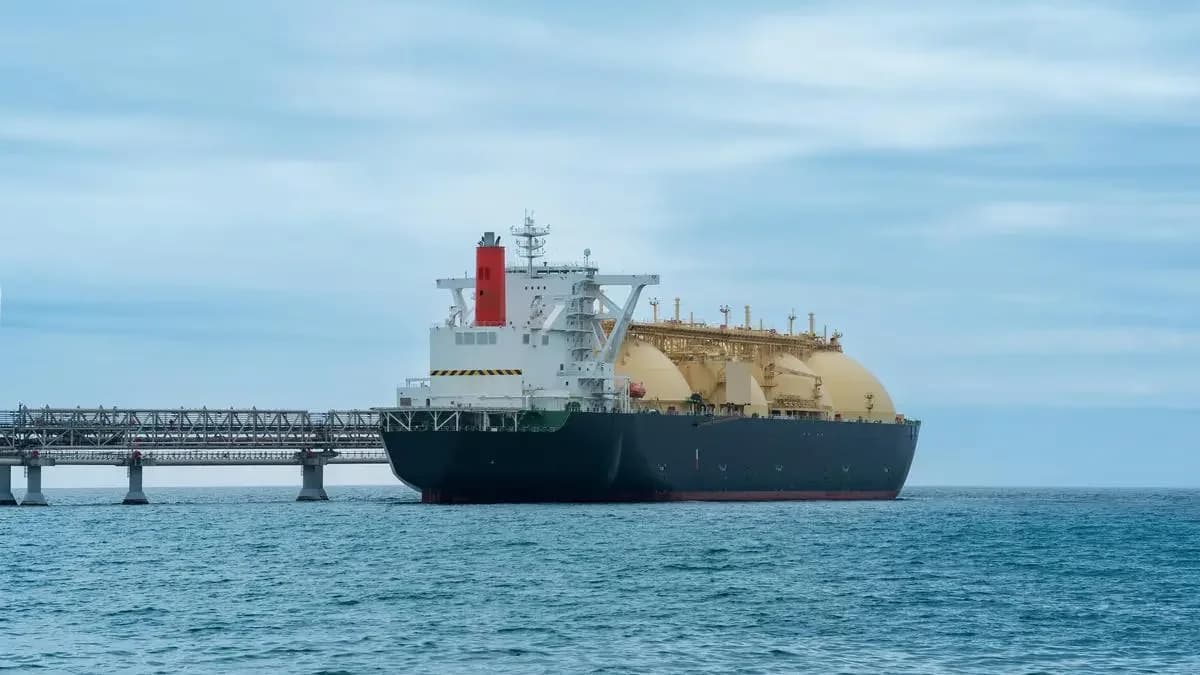
According to the latest shipping ministry data reported by The Times of India, 30 India-bound ships have successfully crossed the Strait of Hormuz while 26 vessels of Indian interest remain waiting to transit the critical sea route. The ministry sources indicate that 19 transits occurred between March 1 and June 17, with 11 ships crossing safely following the signing of the Iran-US memorandum of understanding (MoU). Of the 30 vessels that have reached or are heading toward Indian ports, 17 are foreign-flagged, including as many as five vessels flying the Marshall Islands flag. The remaining 13 vessels are carrying various cargo types, with half of the ships that have already crossed carrying LPG and LNG, while eight had bulk cargo and seven were crude tankers.
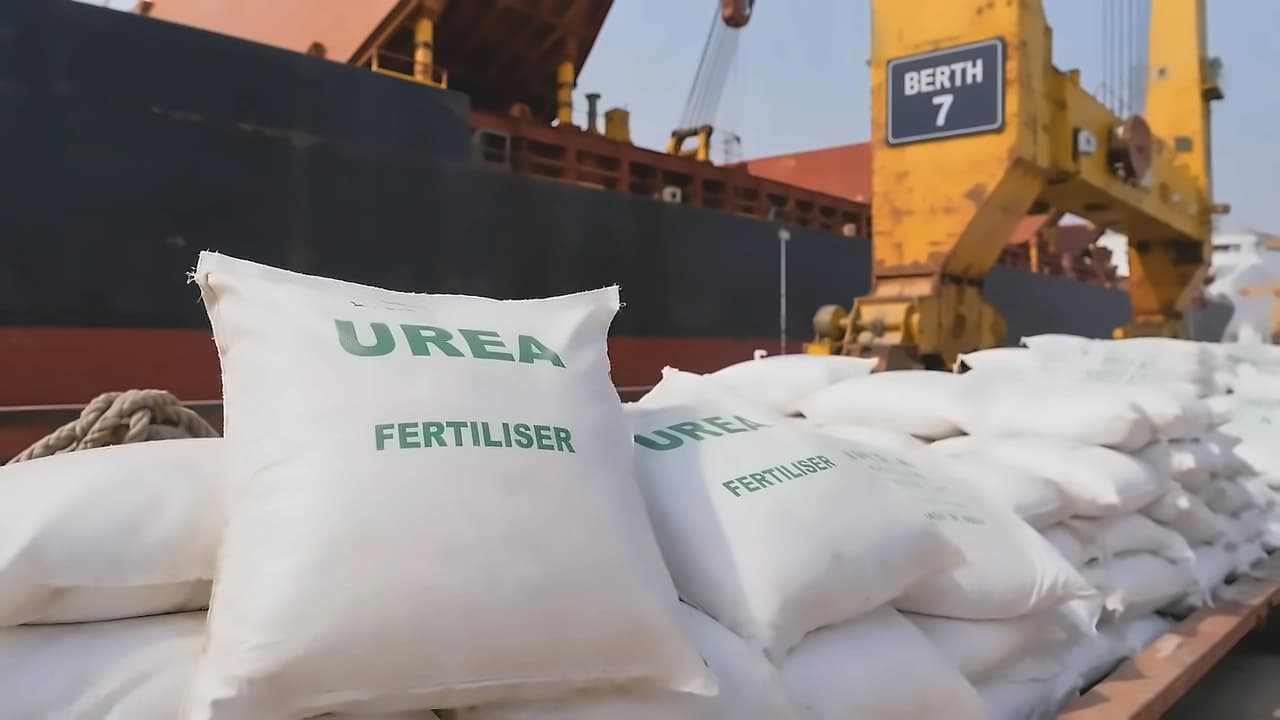
As many as four fertiliser vessels carrying approximately 0.18 million tonnes of fertilisers have successfully crossed the Strait of Hormuz by late evening on Monday following the US-Iran peace deal, according to senior government officials. The vessels include 92,250.07 tonnes of urea, with the remaining cargo comprising sulphur (32,251 tonnes) and Di-Ammonia Phosphate (DAP) (55,000 tonnes). Sources indicate that total urea shipments estimated at around 0.33 million tonnes while DAP shipments estimated at around 0.22-0.25 million tonnes have been stranded in the Strait of Hormuz ever since the West Asia conflict broke out. The Ministry of Chemicals and Fertilisers confirmed that two vessels carrying around 50,000 tonnes and 42,750 tonnes of urea are scheduled to berth in Krishnapatnam and Kakinada ports in the next few days, while the other two carrying sulphur and DAP are scheduled to land in Paradeep and Mundra ports. As per an official, upon arrival, these fresh imports will be immediately offloaded to supplement the nation's existing fertilizer buffers and secure ongoing agricultural requirements.
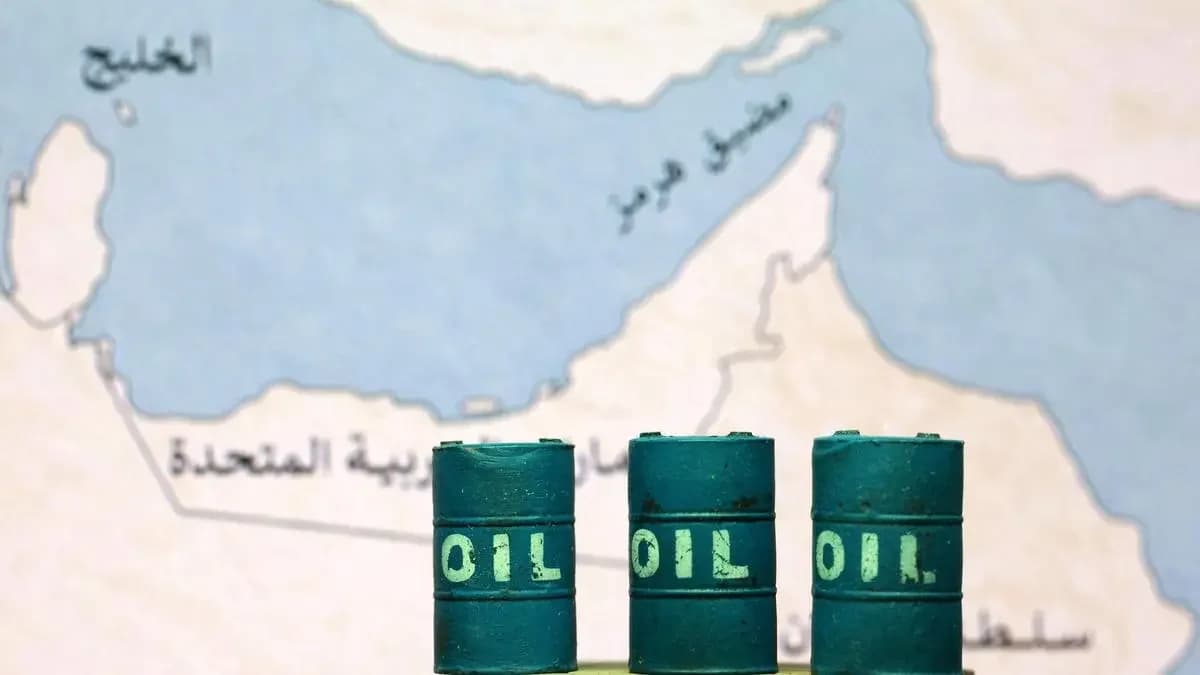
The development comes amid persistent uncertainty over the safe passage of commercial shipping through the Strait of Hormuz, a key route for India's fertiliser and energy imports. The disruption followed US and Israeli strikes on Iran from February 28, which led to the closure of the Strait of Hormuz, one of the world's busiest energy and commodity shipping routes. Iran had announced over the weekend that it had shut the waterway, citing continued Israeli strikes on Hezbollah in Lebanon as a violation of ceasefire terms agreed under a memorandum of understanding (MoU) signed between Washington and Tehran last week. Mediators Qatar and Pakistan had subsequently said that the US and Iran had agreed to establish a 'line of communication' to ensure safe passage for commercial vessels through the strait for a 60-day period. Under the agreement, Iran is required to use its 'best efforts' to guarantee toll-free passage for ships moving between the Persian Gulf and the Sea of Oman. At the onset of the conflict, multiple fertiliser vessels were stranded in the Strait of Hormuz, raising concerns over the availability of critical agricultural inputs during the monsoon sowing season. The latest developments show that nearly 12 of the 16 fertiliser cargo vessels that were stranded have now successfully crossed the waterway, raising hopes for improved supply flows.
The resumption of vessel movement is expected to improve supply flows and ease pressure on fertiliser markets, offering relief to importers and raising hopes of improved supplies and softer prices ahead of India's kharif season. West Asia remains a key source of fertilisers and raw materials such as ammonia and sulphur for India, making the Strait of Hormuz a crucial route for ensuring timely imports. The disruption had also impacted liquefied natural gas (LNG) supplies, affecting domestic urea production during March and early April, when India builds inventories of the crop nutrient ahead of the June onset of the southwest monsoon. The government subsequently secured additional LNG supplies and floated three global urea tenders to prevent shortages during the sowing season. Global prices of urea, ammonia and sulphur had risen sharply as supply chains tightened, but with shipping activity gradually normalising, availability of these inputs is expected to improve, potentially easing price pressures in the months ahead. The resumption of movement for these vessels is expected to ease some of the supply-side pressure that had built up due to the stranding, though officials have not specified whether further consignments remain affected by the situation near the strait.
Industry executives indicate that any sustained resumption of shipping through the Strait of Hormuz would significantly improve the availability of fertiliser raw materials and gradually bring down prices, though a full normalisation could still take several months. The conflict had sent global prices of ammonia and sulphur - key inputs for manufacturing DAP - to multi-month highs as supply chains from West Asia tightened. The disruption had particularly impacted India's domestic urea production during March and early April, when the country builds inventories ahead of the June monsoon season. With shipping activity gradually normalising, the availability of these critical inputs is expected to improve, potentially easing price pressures in the agricultural sector and supporting India's kharif sowing season preparations. Global urea prices have already begun to soften following the resumption of vessel movements, as reported by traders, with the increased supply from West Asia helping to normalise market conditions. However, industry participants indicate that complete price normalisation across the fertiliser complex is a medium-term outcome, potentially requiring several months after shipping fully resumes, with ammonia and sulphur expected to normalise more slowly than urea given their deeper supply chain disruption and longer inventory rebuild cycles.
The Ministry of Chemicals and Fertilisers has provided updated figures on India's fertiliser supply situation, showing domestic fertiliser production has reached 133.12 lakh tonnes, while imports stand at 43.69 lakh tonnes since the crisis began on March 1. India has also contracted 17.70 lakh tonne of urea in its latest global tender, taking total secured supplies of urea and P&K fertilisers to over 90 lakh tonne for the Kharif season. Urea supplies have been locked in from Oman, Malaysia, Vietnam, Georgia, Nigeria, Russia, Finland, Egypt, Algeria, Turkey and the Netherlands, while DAP and NPK supplies are being routed via the Red Sea from Russia, Morocco, Egypt, the US, Jordan, South Korea, Tunisia and Saudi Arabia. The ministry reported that cumulative fertiliser stocks stood at 196.08 lakh tonne as of June 22, up from 168.67 lakh tonne a year ago. Urea inventory rose to 81.44 lakh tonne from 69.21 lakh tonne, DAP climbed to 20.92 lakh tonne from 16 lakh tonne, and NPKs improved to 55.91 lakh tonne against 46.13 lakh tonne in the year-ago period. Total fertiliser sales since March 1 reached 153.4 lakh tonne, ahead of 140.2 lakh tonne in the corresponding year-ago period, comprising 79.1 lakh tonne of urea, 34.8 lakh tonne of NPKs and 19.8 lakh tonne of DAP. Officials said India's total fertilizer sales post-crisis (from March 1, 2026, to June 21, 2026) reached 15.34 million tonnes, a rise of almost 9.4 per cent from the same period last year, including 7.9 million tonnes of urea, 3.48 million of NPKS and 1.98 million tonnes of DAP. The ministry said it continues to work closely with state governments, distribution agencies and cooperative networks to ensure fertiliser security remains 'strong, stable and well managed'.