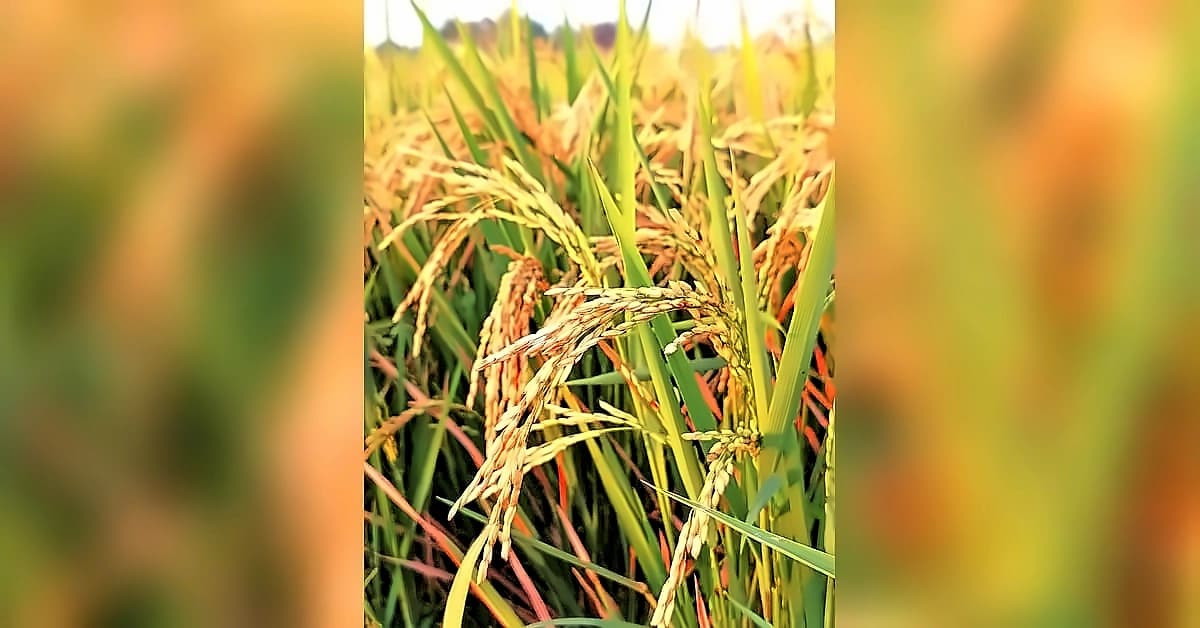
The El Niño that impacted India's southwest monsoon in 2026, making it one of the worst in recent years, is poised to become stronger in the coming months, likely peaking in late October and November. According to the India Meteorological Department (IMD), this could mean longer, stronger warmer days and a near absence of any moisture-laden or cool winds that could impact sowing and harvest of rabi crops. The 2026 southwest monsoon ended with a 13% rainfall deficit, making it the driest in 11 years and the fourth driest in this century, with East and Northeast India recording 26% below normal rainfall. Karnataka has declared 217 talukas drought-affected, while Maharashtra has declared drought in 265 talukas and Andhra Pradesh in 388 mandals across 21 districts.
While El Niño strengthens, some weather experts are pinning hopes on the Indian Ocean Dipole (IOD), which could potentially act as a counter to El Niño's impact. According to IMD Director General Mrutyunjay Mohapatra, an IOD refers to differences in sea surface temperatures between the western and eastern equatorial Indian Ocean. A positive IOD generally supports the southwest monsoon by warming the Arabian Sea and potentially strengthening monsoon circulation. However, the IOD is currently in a neutral phase, though some international climate models indicate the possibility of a positive IOD developing. The IMD's Monsoon Mission Climate Forecast System has indicated that neutral IOD conditions are likely to persist until December.
While India faces production challenges from El Nino, the global vegetable oil market is experiencing a significant surge. According to the latest September report from the United States Department of Agriculture (USDA), global vegetable oil exports are forecast to reach a record 141 million tonnes in 2026/27, representing an approximate 2% increase compared to previous levels. This expansion is primarily driven by surging sunflower and rapeseed oil trade, with sunflower oil exports expected to surge by 15% and rapeseed oil exports projected to rise by 8%. The primary catalysts include increased export availability from major producers Ukraine and Russia for sunflower oil, and strong supplies from Russia, Ukraine, Canada, and Australia for rapeseed oil.
For the northeast monsoon, the IMD's northeast monsoon forecast, issued on September 30, projected normal rainfall for Tamil Nadu and the southern peninsula. However, Mohapatra clarified that actual rainfall distribution would depend partly on the formation of cyclones and depressions during the season. During strong El Niño years, cyclonic systems tend to form closer to the equator, particularly over the southern Bay of Bengal, and move towards the west and northwest, bringing rainfall to Tamil Nadu, southern India, and Sri Lanka. However, the frequency of very severe cyclonic storms tends to be very low during strong El Niño years due to shorter journey times over the sea. Even a single cyclone making landfall over Tamil Nadu could contribute significantly to the state's seasonal rainfall.
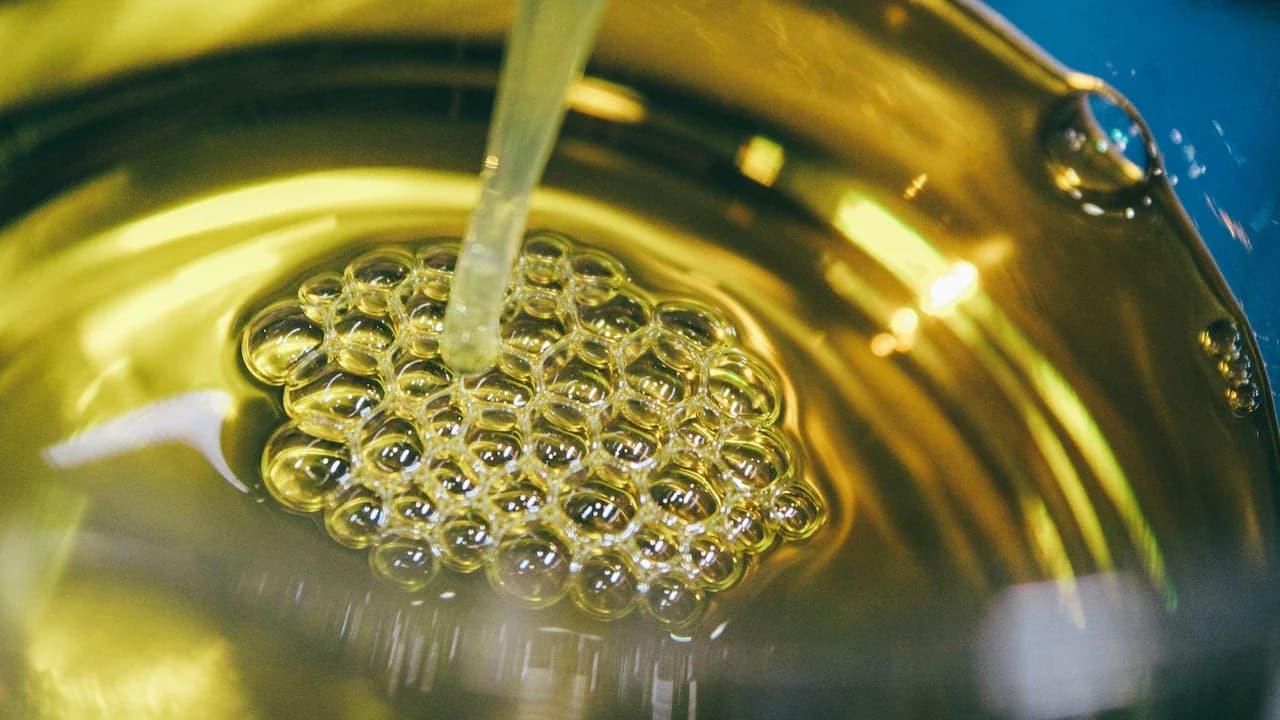
For the world's largest importer of edible oils, the macroeconomic balance is shifting unfavorably as India's $17-billion edible oil import bill faces potential inflation. However, as noted by SEBI-registered commodity market analyst Mukesh Tailor, India retains proven institutional and trade cushions to navigate these headwinds. The country relies on palm oil imports from various geographies, not just Indonesia and Malaysia, and successfully navigated similar crises in the past, including when Indonesia imposed an interim ban on exports in 2022. The government is expected to similarly manage the challenges posed by El Niño conditions, though the Centre for Research on Energy and Clean Air estimates an additional 17.7 TWh generation gap from July 2026–June 2027 due to lower reservoir levels.