The India Meteorological Department (IMD) has officially confirmed that El Niño conditions are currently present over the equatorial Pacific Ocean and are expected to strengthen further during the southwest monsoon season. According to the IMD's latest statement, the atmosphere has responded to the warming sea surface temperatures, and the coupled ocean-atmosphere system now exhibits characteristics consistent with El Niño conditions. Forecasts from the Monsoon Mission Coupled Forecast System (MMCFS) indicate a further strengthening of El Niño conditions during the southwest monsoon season, setting the stage for months of droughts, floods and temperature fluctuations that will threaten communities worldwide along with agriculture and energy sectors. This marks the first El Niño development since 2023, with the last time El Niño conditions emerged in 2015. Since 2000, these conditions have emerged in 2002, 2009 and 2015, making the current event particularly significant for global weather patterns.
A powerful El Niño in 1997 killed at least 30,000 people and caused an estimated $100 billion in damage worldwide, as reported by Business Standard. A 2023 study by Dartmouth College estimated the lingering fallout from El Niños can cost the global economy trillions of dollars. The economic impact extends beyond immediate disasters, with long-term effects continuing to affect global markets and economies. The strength of an El Niño is determined by how much warmer the equatorial Pacific is compared to normal; an anomaly of 2C and above is considered to be a very strong event — or what's informally known as a "Super El Niño."
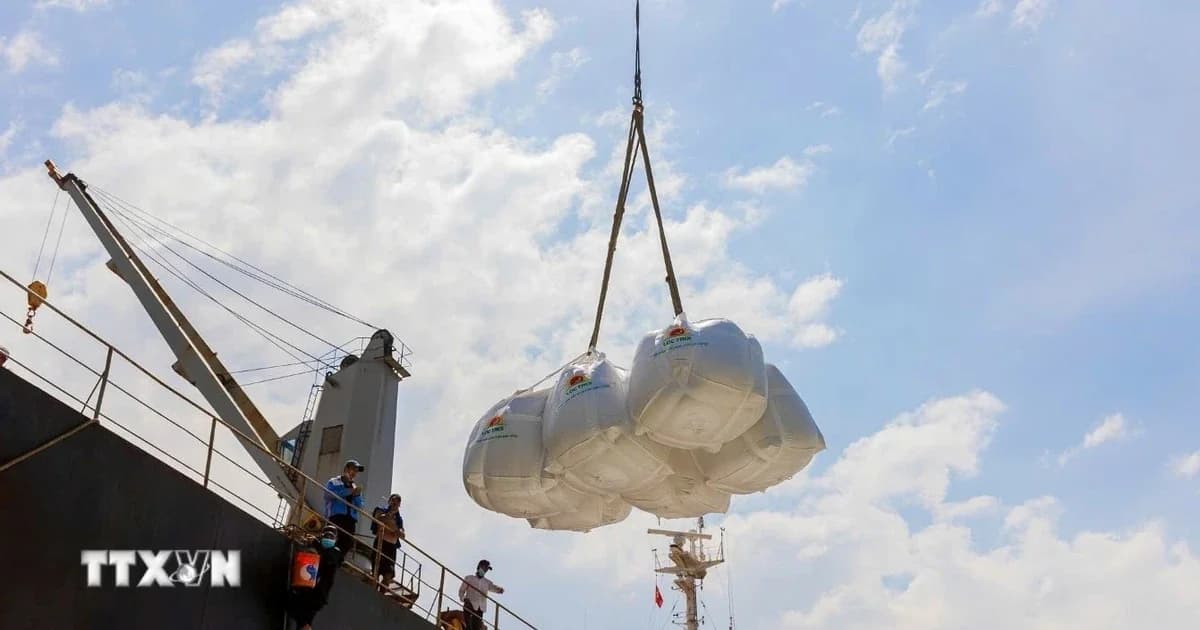
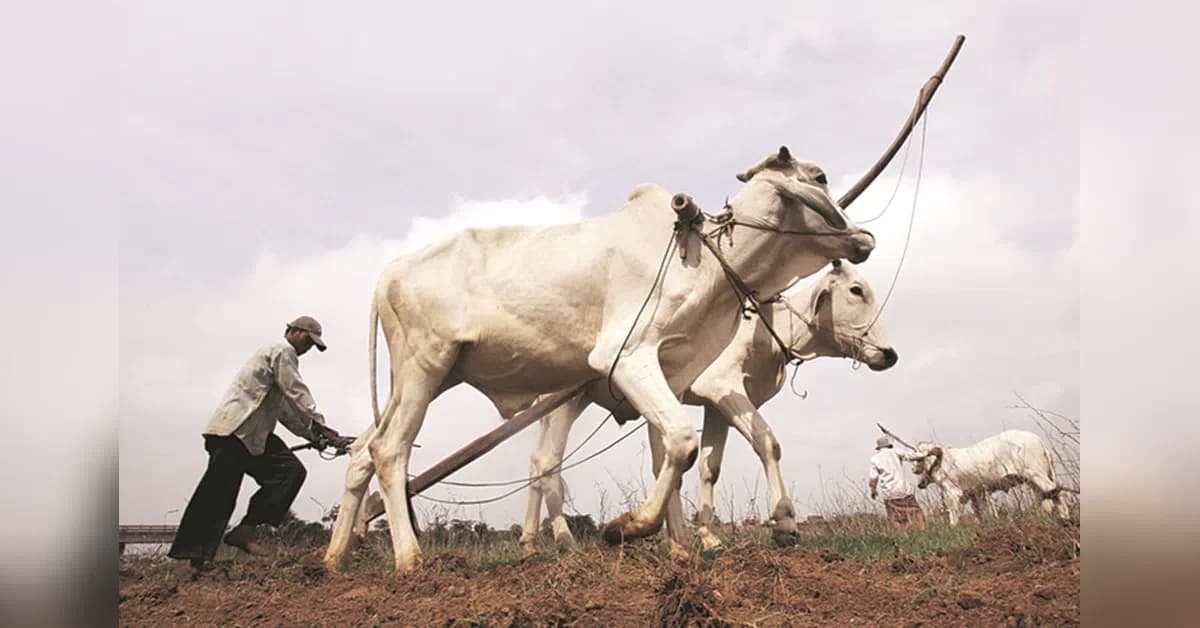
During the 2015-2016 El Niño, poor harvests left millions of people around the world in need of food assistance, demonstrating the severe impact on global food security. In India, mango growers have reported sharply reduced harvests after unusual weather conditions disrupted flowering and fruit development, affecting both supply and income for producers. Strong El Niños have historically reduced yields for palm oil, coffee, cocoa, cotton and grains including wheat and rice, according to a report from Marex. Parts of Central America, Asia, Africa and Australia often become hotter and drier during El Niño years, with Honduras estimating that around 75 municipalities could face severe drought conditions, including Tegucigalpa which has already declared a water emergency. In other parts of the world, the risks are reversed, with El Niño bringing torrential rainfall and destructive flooding along South America's Pacific coast.

El Niño is a naturally occurring climate pattern that occurs every two to seven years, beginning when trade winds over the tropical Pacific weaken, allowing warm water to accumulate in the Pacific Ocean. As NASA Goddard Institute for Space Studies Director Gavin Schmidt explained, 'By changing the tropical atmosphere, you can then change the atmosphere further away across the mid-latitudes, which is why we care about it so much, even though we're thousands and thousands of miles away potentially.' El Niño conditions tend to increase wind shear over the Atlantic, which makes it more difficult for storms to form and intensify, meaning this year's Atlantic hurricane season is expected to be less active than average. However, once a storm reaches hurricane strength, it becomes harder to suppress, meaning those that do develop could still cause catastrophic damage. Marine ecosystems are also under pressure, with warmer ocean temperatures associated with El Niño triggering coral bleaching and adding stress to reefs.
Climate change can amplify El Niño's impacts, with Michael McPhaden, a senior scientist at the National Oceanic and Atmospheric Administration, noting that 'climate change can make a severe El Niño drought into an extreme El Niño drought.' A warmer atmosphere holds more moisture, increasing the risk of extreme rainfall and flooding, while higher temperatures can also intensify drought by drying soils more quickly. Because global temperatures are already near record highs, El Niño events can more easily push global temperatures into new record territory. However, one advantage of El Niño is that it develops gradually and can be monitored months in advance, giving governments and communities time to prepare through long-range weather forecasts and develop mitigation strategies to avoid some of the worst impacts.