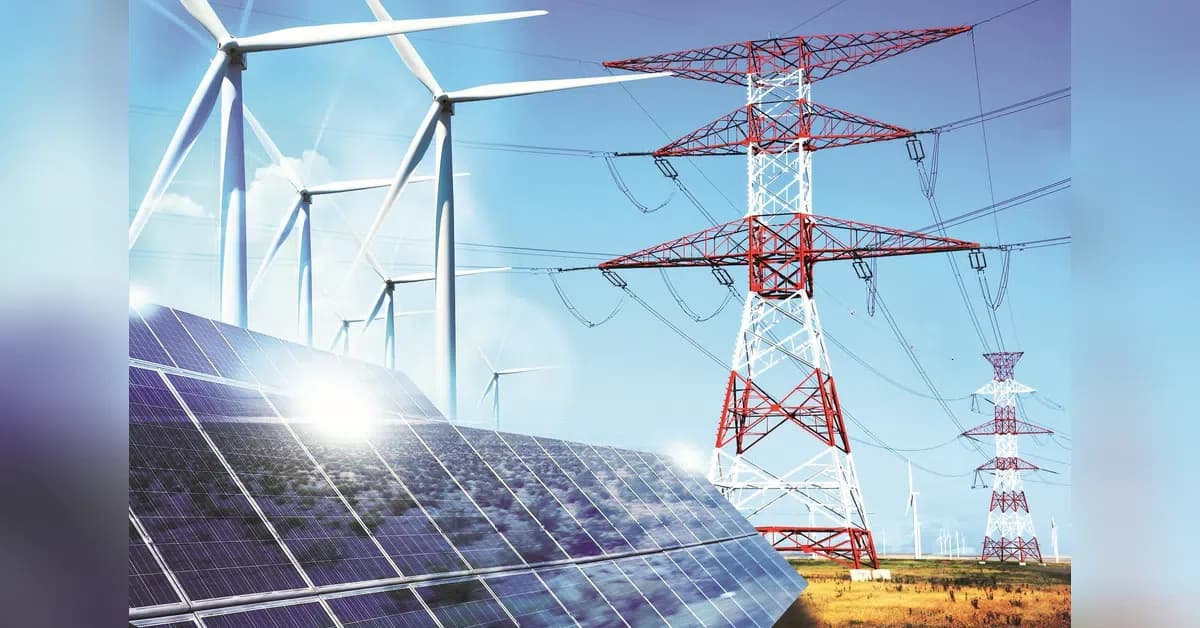
India achieved a historic milestone in 2025 with renewable power generation surging by 24% to 98 TWh, marking the largest increase in the country's renewable energy history. According to the Ember Global Electricity Review 2026, this record jump was driven by milder weather conditions and significant growth across all renewable sectors. Solar power generation increased by 37% (53 TWh), while wind power grew by 28% (22 TWh). The surge was twice as large as the previous record set in 2022, when India's renewable power generation rose by 49 TWh, demonstrating the accelerating pace of the country's energy transition.
India's fossil fuel power generation declined by 3.3% (52 TWh) in 2025, primarily attributed to milder weather conditions that reduced cooling and heating demand. As reported by Ember, mild weather conditions substantially reduced electricity demand for cooling and heating, avoiding an estimated 32 TWh of electricity demand compared to 2024. The previous year had seen the opposite effect, with demand growing above structural trends due to hotter weather. This decline in fossil fuel consumption occurred despite India's continued reliance on coal as the pillar of its power generation and flexible capacity to meet peak demand.
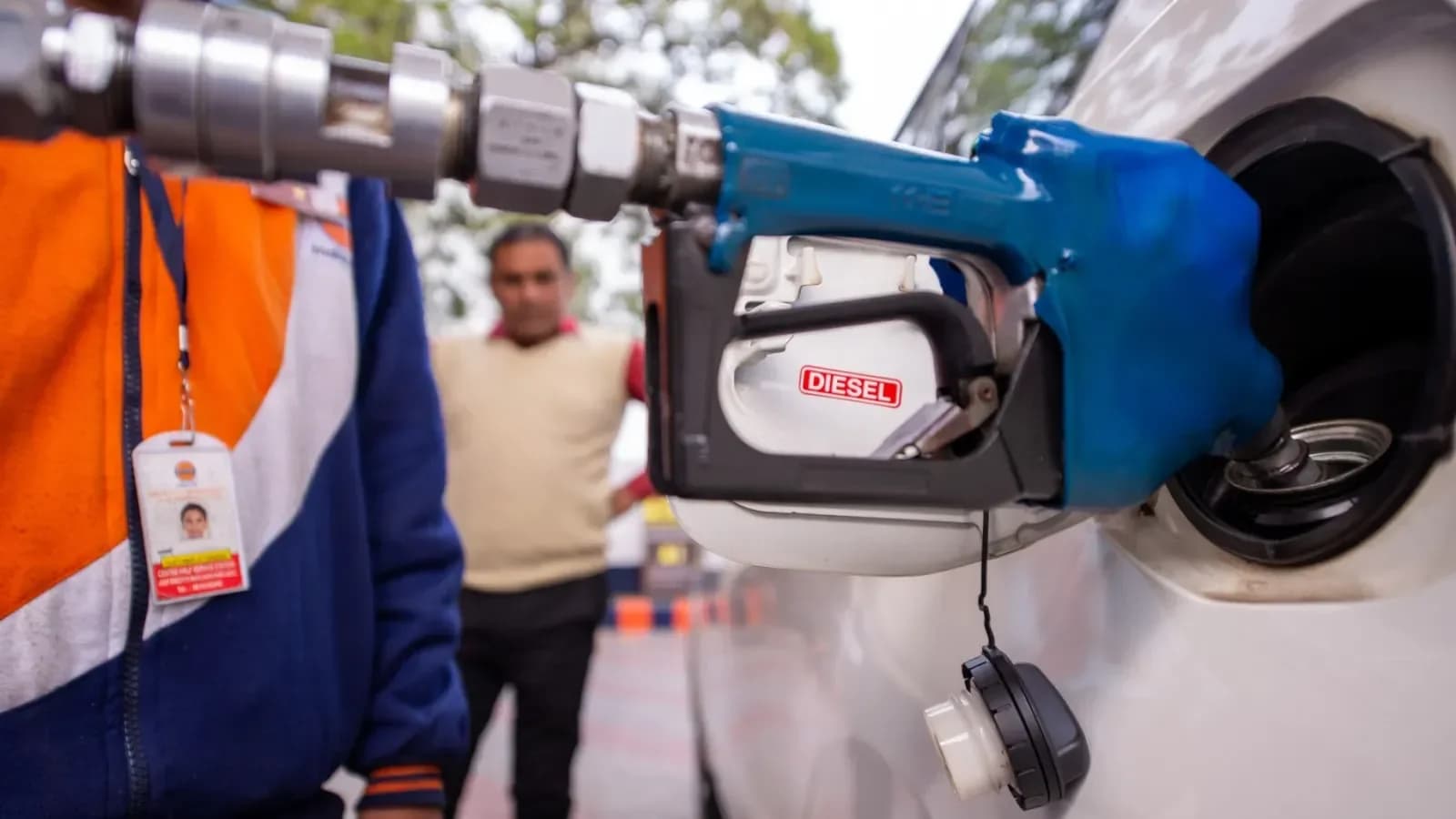
The Bureau of Indian Standards (BIS) is finalising specifications for new blended fuels as India explores alternative energy solutions. According to reports from Hindustan Times, the BIS is reviewing industry feedback to set specifications for diesel blended with 10% iso-butyl alcohol (IBA) and for liquefied petroleum gas (LPG) mixed with dimethyl ether (DME). The standard for diesel blended with IBA is expected to be published by June 15, 2026, based on a status report seen by Hindustan Times. A draft of the diesel standard is expected to be released for public comment before final notification.
Union Road Transport and Highways Minister Nitin Gadkari recently emphasized India's need for energy self-reliance amid global tensions. According to Hindustan Times, Gadkari stated that India should aspire to use 100% ethanol blending, citing vulnerabilities in oil exports amid the West Asia crisis. He noted that the country needs to become self-reliant in the energy sector due to the ongoing war in West Asia. Currently, Indian vehicles can run on E20 petrol with minor changes to the engine to prevent corrosion and other issues. The government has repeatedly defended its 20% ethanol blending programme, insisting that the fuel is safe and economically beneficial.
India has ambitious renewable energy targets, especially for solar power capacity expansion, with the country expecting to nearly quadruple its solar power capacity and triple wind power-generating assets within ten years. According to the new Generation Adequacy Plan published by the country's Central Electricity Authority, this represents a significant scaling up of renewable energy infrastructure. Amid the current gas crisis caused by the lack of Middle Eastern LNG supply, India is leaning on coal and renewables to meet demand, with India's Power Minister recently ordering coal-fired power plants to run at full capacity for three months starting April 1 to prepare for peak power demand during the coming summer.