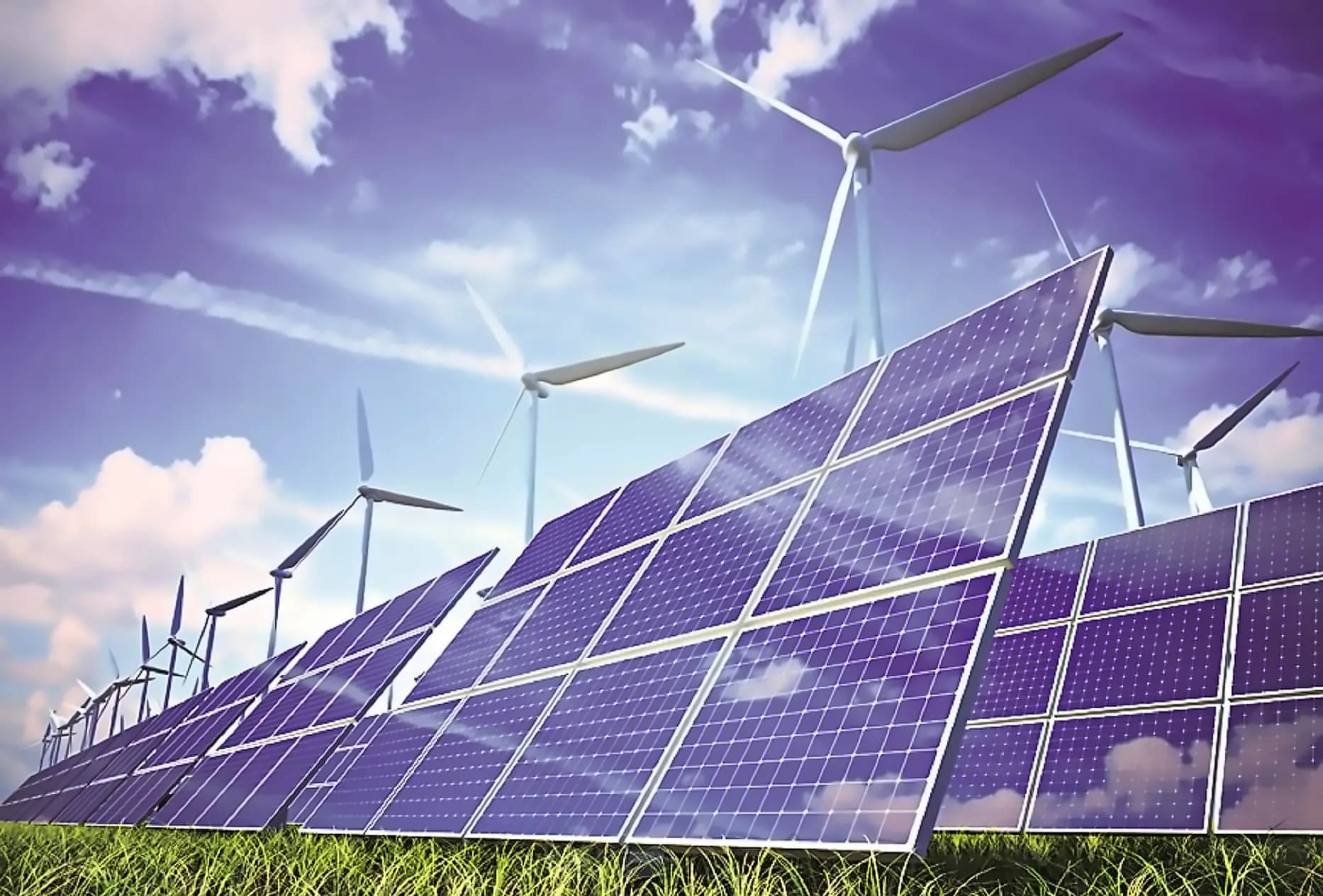
India's solar energy sector has undergone a dramatic transformation over the past decade, with over 150 GW of installed solar power capacity now making it one of the world's largest solar markets. According to pv magazine India, solar panels have become a familiar sight on rooftops, industrial facilities, agricultural fields, and utility-scale solar parks across the country. The growth has been driven by falling technology costs and supportive government policies that have encouraged investment across the value chain. The sector has created employment in manufacturing, project development, engineering, installation, operations, and maintenance, while attracting significant private investment and supporting industries that depend on reliable power, including data centres and advanced manufacturing.

India is expected to accelerate the deployment of hybrid renewable energy projects combining solar photovoltaic (PV) and battery storage, with the period from 2027 to 2030 likely to drive significant growth in project development and investment, according to GlobalData. Utility tenders increasingly include battery storage alongside solar generation to improve power reliability and better match electricity supply with demand. In January 2026, Solar Energy Corporation of India awarded a 1.2-GW solar project paired with 3.6 GWh of battery storage under long-term power purchase agreements, one of the country's largest hybrid renewable energy procurements. As Attaurrahman Ojindaram Saibasan from GlobalData noted, 'Hybrid power is no longer experimental in India—it's becoming mainstream', with solar-plus-storage projects reducing revenue risk, improving grid flexibility, and helping minimize renewable energy curtailment.
India's energy transition is expanding beyond industrial and commercial sectors to reach individual households, according to reports from Business Standard. Households are now adopting E20 petrol, electric vehicles, rooftop solar panels, energy-efficient appliances, and increased air conditioner usage as summers become longer and hotter. Industry expert Sanjay Sah from Deloitte India noted that consumers are evaluating fuel efficiency, technology, availability and long-term savings when adopting new technologies, with E20 petrol, electric vehicles, CNG, and rooftop renewables becoming part of consumer decision-making processes.
According to Karthik Ganesan from the Council on Energy, Environment and Water (CEEW), India has achieved near-universal electrification with over 99% of households using electricity as primary energy source, up from 80% in 2011-12. The share of households using LPG as primary cooking fuel almost doubled to 60% during the same period. However, as reported by Business Standard, consumers are facing financial challenges as hotter weather increases power consumption, with families reporting higher electricity bills due to extended air conditioner usage.
Despite rising awareness, adoption remains uneven according to CEEW's latest survey of around 17,000 households. General awareness of solar technology increased from 50% in 2020 to 90% in 2026, while more than 57% of surveyed households reported specific awareness about rooftop solar systems. However, 73% of households that considered rooftop solar expensive were unaware of financing options, as reported by Business Standard. Consumers continue to express concerns about upfront costs versus long-term savings, with many families hesitant to invest in cleaner technologies due to initial investment requirements.
The government has introduced comprehensive measures to support clean energy adoption, according to Business Standard reports. Over 2.8 million households have benefited under the PM Surya Ghar scheme with ₹16,061.12 crore disbursed as financial assistance since February 2024. The Centre has extended subsidies for electric two-wheelers until July 2026 and electric three-wheelers until March 2028 under the ₹10,900 crore PM E-DRIVE scheme. Delhi's new Electric Vehicle Policy targets ₹15,000 crore investments over four years to accelerate electric mobility adoption, while states are stepping up efforts to support clean energy transition. Additionally, the Production Linked Incentive (PLI) Scheme has encouraged investment in domestic manufacturing of solar equipment, reflecting a broader effort to strengthen India's clean energy supply chain.
The nationwide rollout of E20 petrol containing 20% ethanol blended with petrol continues to face consumer challenges, as reported by Business Standard. According to a recent LocalCircles survey, more than six in 10 owners of pre-2023 petrol vehicles said their fuel mileage dropped by over 10% since early 2025. The survey found that 66% of pre-2023 vehicle owners reported fuel efficiency decline of more than 10%, up sharply from 45% in a similar survey conducted in May 2026. Additionally, 55% of pre-2023 petrol vehicle owners experienced unusual increase in wear and tear or greater repair needs since early 2025.