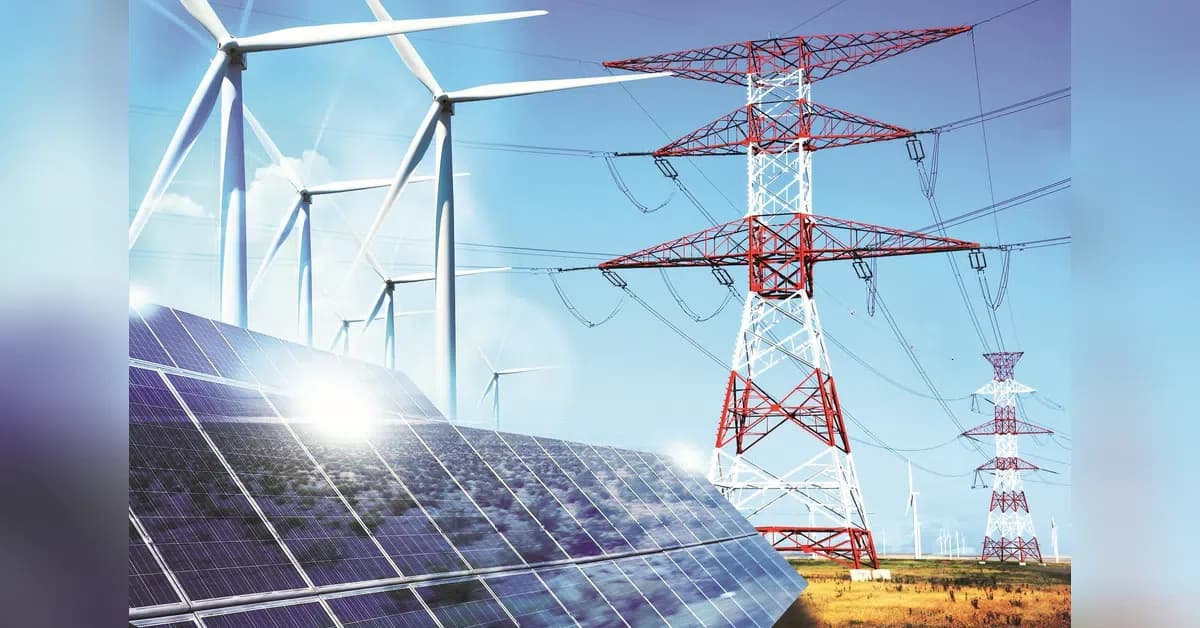
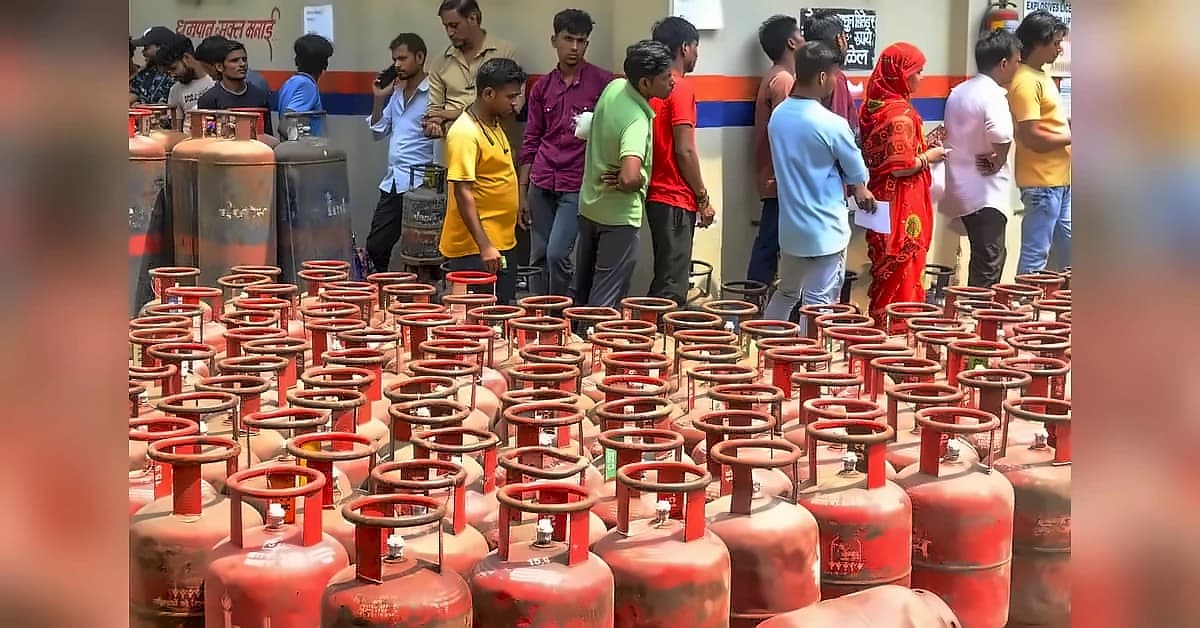
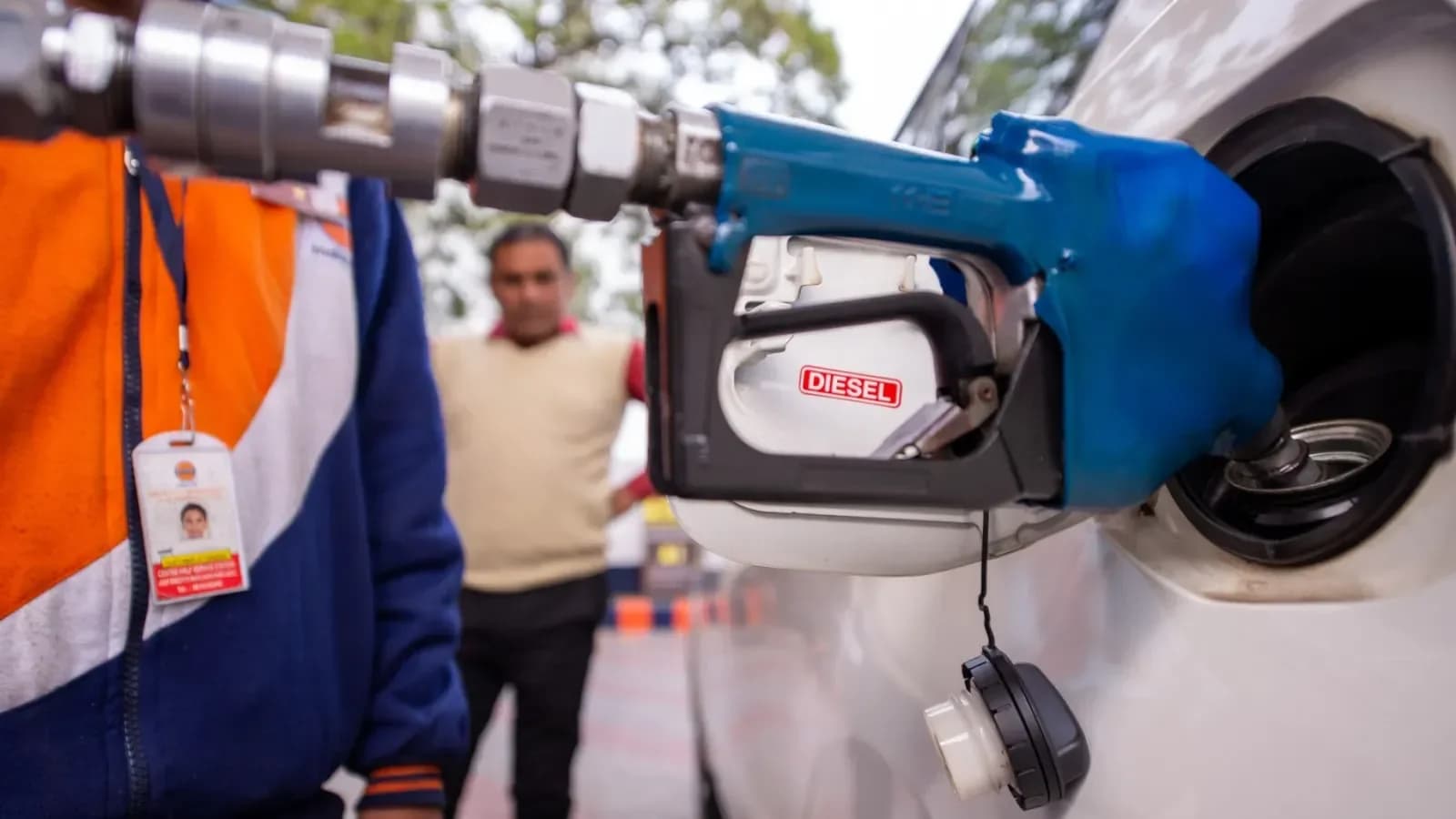
India's economy has achieved significant energy efficiency improvements since the 1991 balance of payments crisis, when crude oil price surges contributed to foreign exchange depletion and international bailout requirements. According to Business Standard calculations based on Our World in Data, energy intensity fell 30% to 0.96 kilowatt-hours per dollar of GDP in 2022 from 1.37 kWh per dollar in 1991. The figures use international dollars at 2011 prices, adjusted for inflation and purchasing power parity. Energy intensity has also declined below levels seen during other economic stress periods, including the 1970s oil shocks, 2008 global financial crisis, and 2013 taper tantrum. The improvement has accelerated significantly since the turn of the century, with India recording a rolling decadal compound annual decline of 2.13% in energy intensity in 2019, the fastest pace since the 1970s.
The improvement trajectory has continued into recent years, with the Energy Statistics India 2026 report showing energy intensity declined another 1.26% between 2022-23 and 2024-25. As reported by Business Standard, the decline implies that while India's overall energy consumption has increased with economic expansion, it now generates significantly more output from every unit of energy consumed, reducing relative vulnerability to energy price shocks. The data shows energy intensity has declined continuously for 22 years since 2000, with the pace of improvement gathering momentum even before the Covid-19 pandemic disrupted energy demand.
According to Manisha Jain, Associate Professor at the Indira Gandhi Institute of Development Research, energy intensity changes result from two main factors: energy efficiency-enhancing technological improvements and structural effects from economic shifts. She noted that changes in manufacturing product mix influence energy intensity, with shifting from energy-intensive goods like iron and steel to less energy-intensive products such as textiles lowering overall energy intensity. A 2016 study by Anjali Tandon and Shahid Ahmed of Jamia Millia Islamia University attributed the decline to industrial modernisation and improvements in power generation efficiency, including adoption of cleaner coal beneficiation technologies. The study noted that the reduction in direct coal intensity of thermal electricity generation is explained due to adoption of cleaner technologies such as coal washing to reduce ash content, which improved the efficiency of coal circuits receiving washed pulverised coal with higher oxidation rates.
Among major emerging economies, India's decline in energy intensity has been faster than China and Brazil, although slower than Russia. Advanced economies such as the United States, Germany and Japan have recorded steeper improvements, reflecting differences in economic structures, technology adoption and energy mix. K Ramanathan, Distinguished Fellow Emeritus at The Energy and Resources Institute (TERI), emphasized the need to focus on energy efficiency across all sectors, particularly industries and transport, while promoting clean energy usage and energy independence. He noted that nations worldwide are likely to step up efforts to improve conservation and focus on utilisation of local energy resources in their energy planning exercises. The improvement has been driven by structural changes from manufacturing and agriculture to services, as the service sector uses less energy per unit of GDP than manufacturing or agriculture.