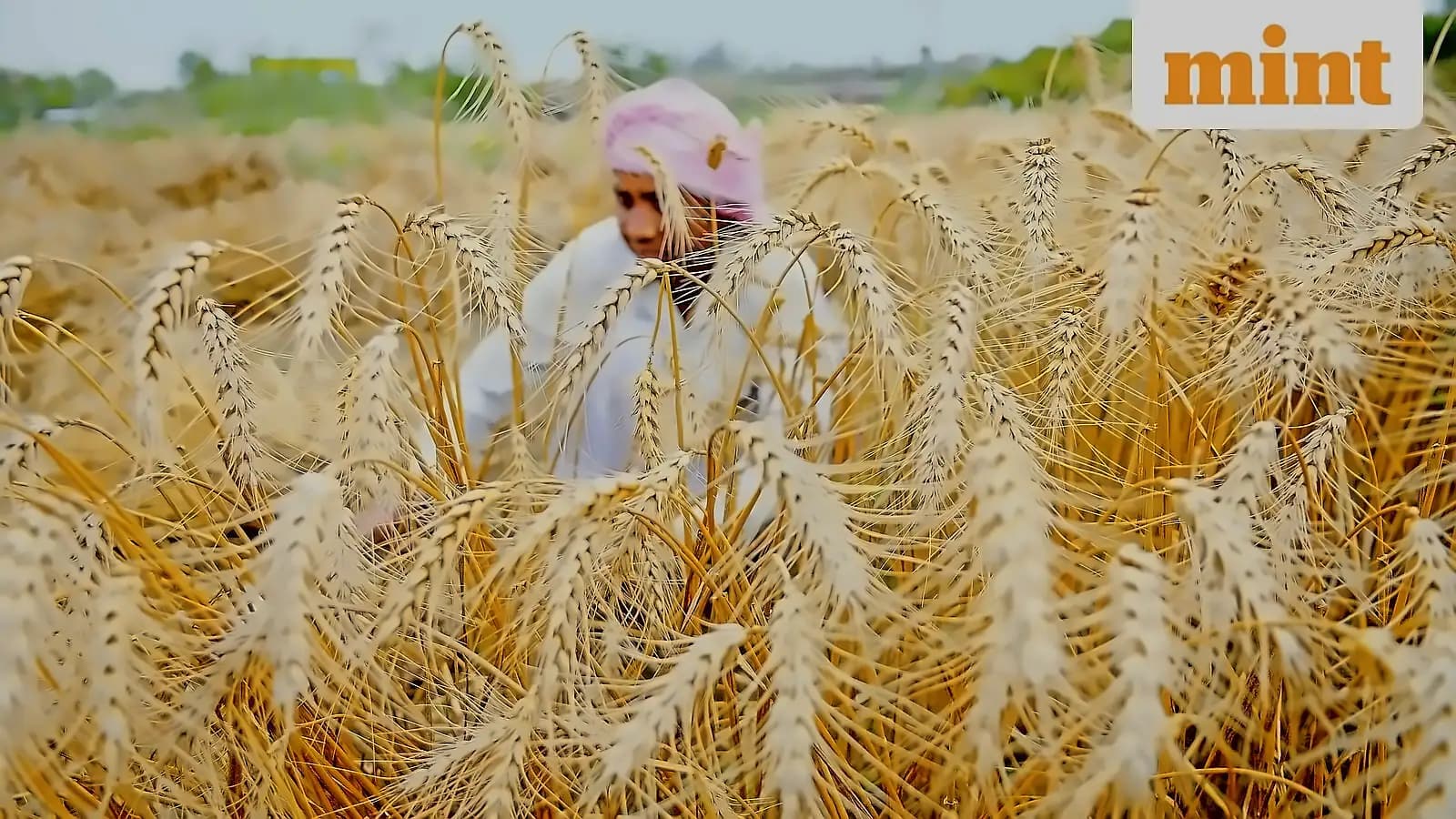
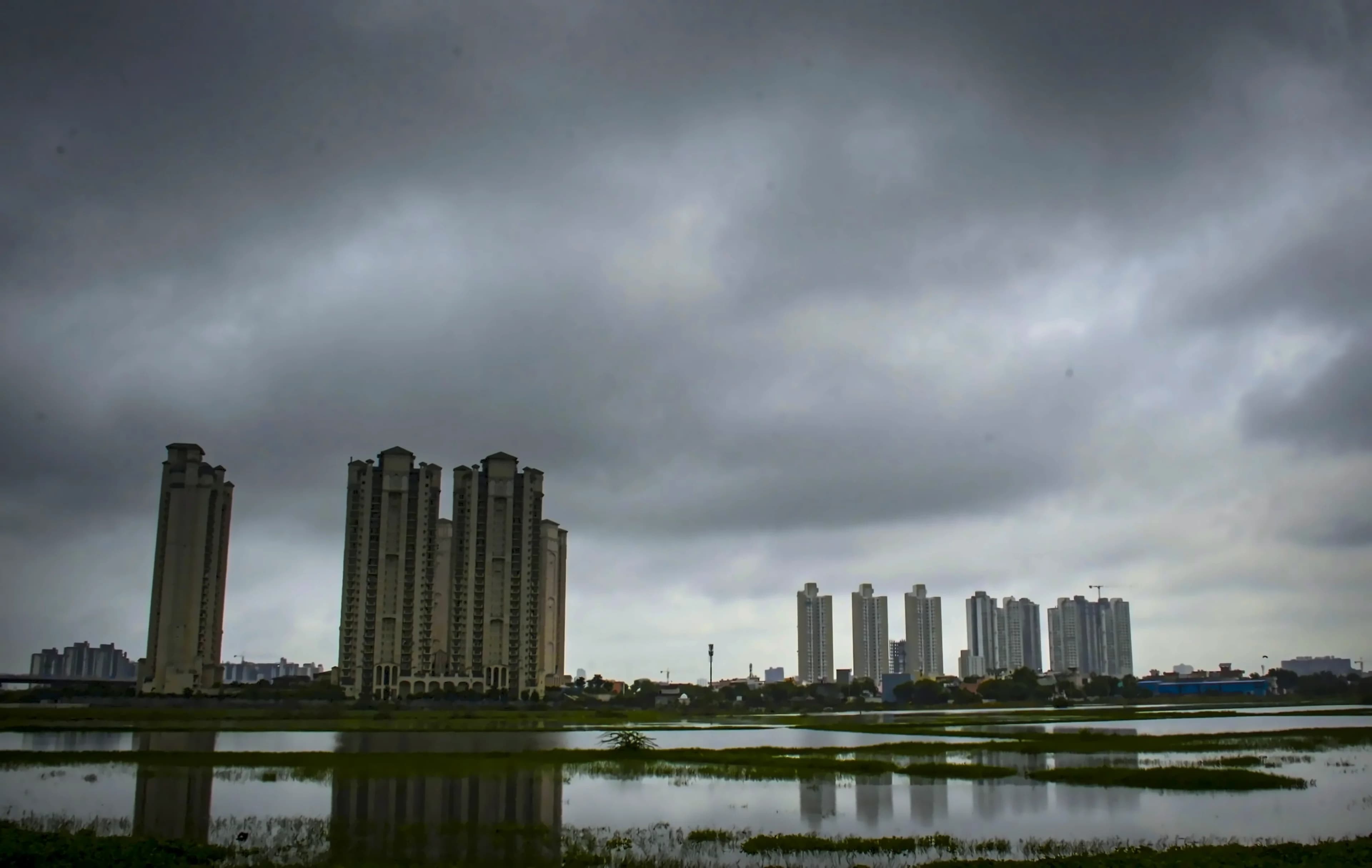
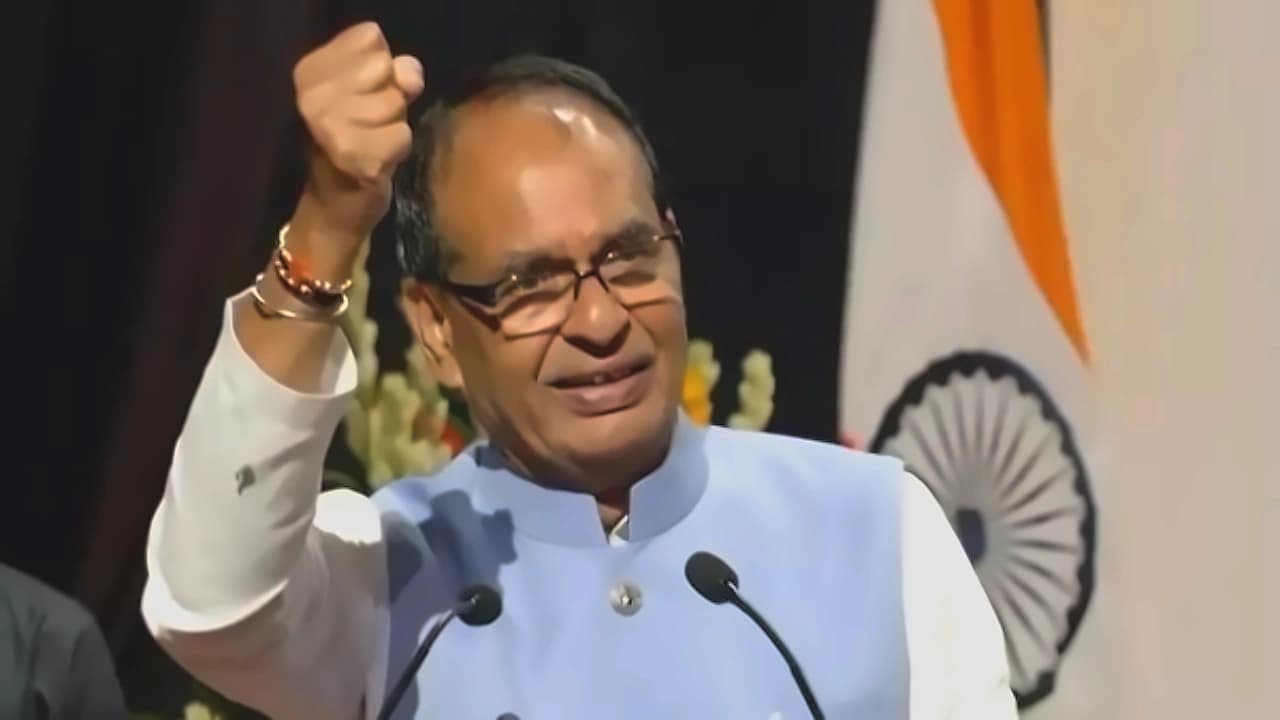
The India Meteorological Department (IMD) has forecast normal to above-normal rainfall in parts of central and north-west India during November, the main wheat-sowing period. According to IMD Director-General M Mohapatra, overall rainfall in November is likely to be less than 77 per cent of the long-period average (LPA) of 29.7 mm. The forecast offers some relief to farmers after deficient rainfall in October, with below-normal rainfall expected over most parts of the country except central, north-west and north-east India.
The November forecast indicates normal to above-normal rainfall in Madhya Pradesh and adjoining parts of Maharashtra and Gujarat, as well as East Uttar Pradesh and Bihar. However, West Uttar Pradesh, Haryana and Punjab are likely to receive below-normal rainfall. These regions have almost fully irrigated wheat acreage, limiting the impact of deficient rainfall. Below-normal rainfall in Rajasthan and much of Gujarat could affect rabi crop prospects, as several areas lack assured irrigation. Recent weather advisories show no rainfall to light rainfall expected in North Interior Karnataka during the week 05.11.2026 to 12.11.2026.
The forecast comes after substantial rainfall deficits in October, with East Rajasthan recording a 25 per cent deficit, while West Rajasthan had a 63 per cent shortfall. East and West Madhya Pradesh recorded deficits of 71 per cent and 82 per cent, respectively. Gujarat region, Saurashtra and Kutch, and Madhya Maharashtra reported deficits of 99 per cent, 87 per cent and 95 per cent, respectively. East Uttar Pradesh ended October with a 4 per cent surplus after a 57 per cent deficit until October 28, while Bihar's deficit narrowed from 55 per cent to 4 per cent.
Mohapatra said the strong El Niño prevailing in the Pacific Ocean could continue until December, but its intensity is likely to decline gradually during January-March. The country's overall rainfall deficit narrowed from 48 per cent until October 28 to 31 per cent by October 31, making October the sixth driest since 2001. The all-India average maximum temperature in October was 32.43 degrees Celsius, the highest since 1901, with mean temperature at 26.63 degrees Celsius, the third highest for October since 1901.
The government has set a foodgrain production target of 177.72 million tonnes (mt) for the 2026-27 crop year, including 121 mt of wheat. Other rabi targets include 12.33 mt of gram, 2.1 mt of lentils, 14.3 mt of mustard and 2.42 mt of barley. Former Agriculture Commissioner JS Sandhu had earlier said November rainfall would be crucial for normal rabi sowing, with the IMD forecasting above-normal maximum temperatures across most parts of the country for November.