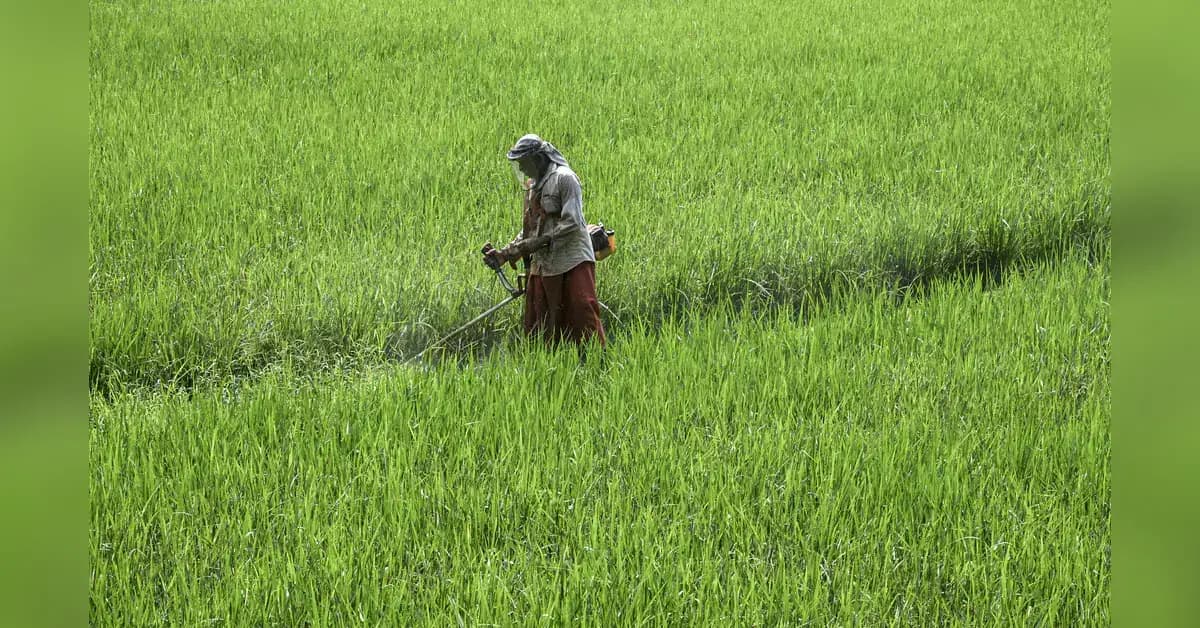
India experienced its fifth-driest June in 125 years, recording 99.5 mm rainfall against the normal 165.3 mm, resulting in a 40% national rainfall deficit. According to the India Meteorological Department (IMD), only four years since 1901 recorded lower June rainfall - 2009 (87.6 mm), 1905 (91.9 mm), 2014 (92.8 mm) and 1926 (96.7 mm). Gujarat recorded India's highest June rainfall deficit at 82%, receiving only 20.5 mm rain against the normal 110.8 mm expected by June 30, as reported by The Times of India. The state's deficit surpassed other severely affected regions, including Meghalaya with 74% deficit, Manipur at 71%, and Chhattisgarh at 65%. Eight districts recorded rainfall deficits of more than 90%, while Devbhumi Dwarka reported no rainfall during the period, resulting in a 100% deficit.
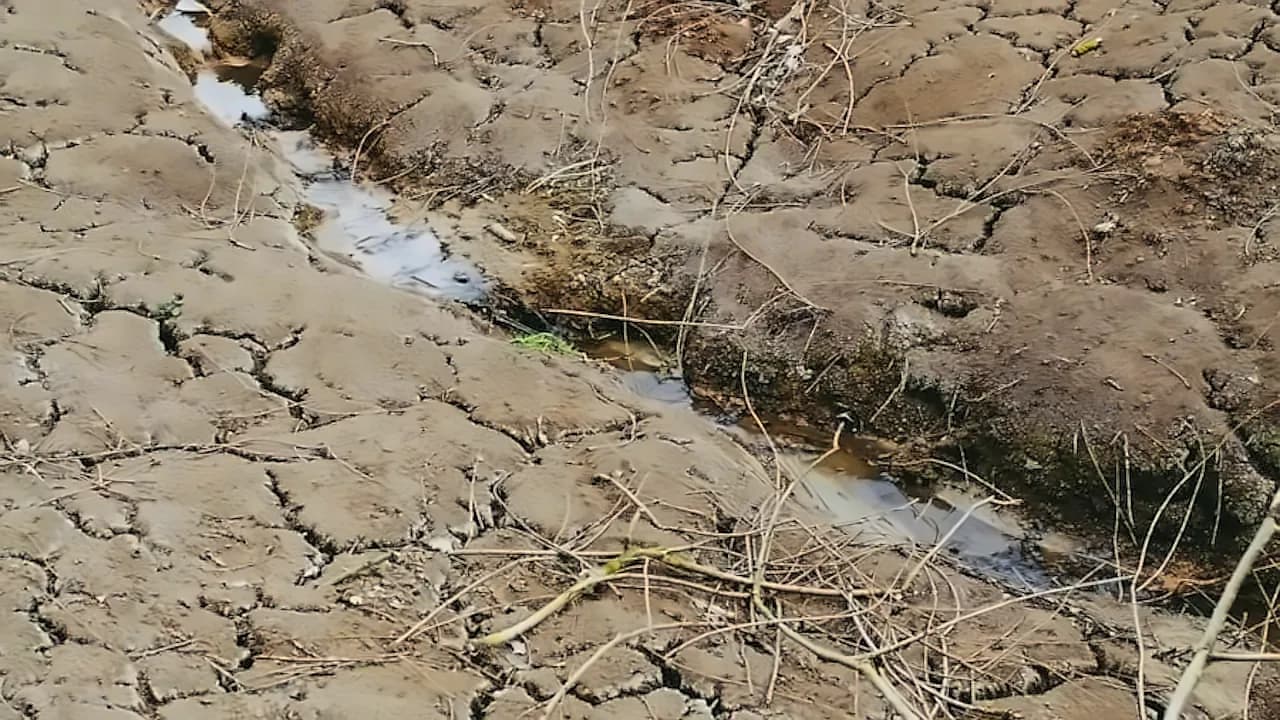
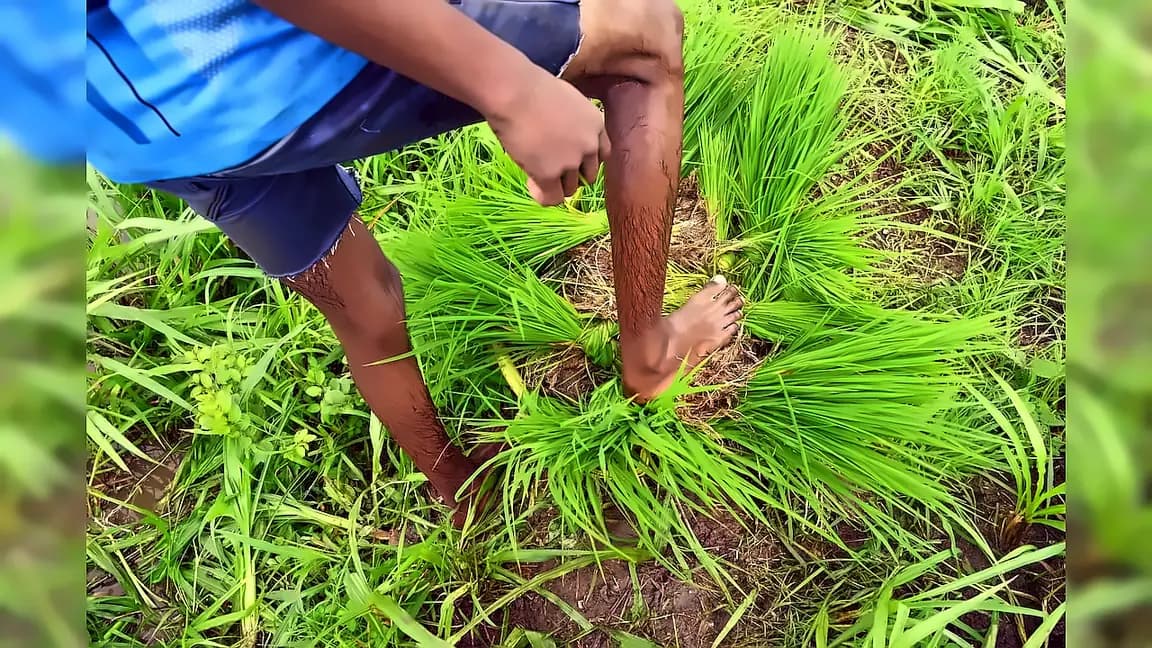
The 82% rainfall deficit has brought Gujarat's Kharif sowing to a complete standstill, with farmers postponing planting amid the delayed advance of the southwest monsoon. By the end of June, only 12.71 lakh hectares had been sown—62% lower than the 33.9 lakh hectares covered during the same period last year. The area sown represents just 15% of Gujarat's normal Kharif acreage of around 85 lakh hectares, highlighting the extent to which weak monsoon activity has disrupted farm operations. The biggest setback has been in Gujarat's key cash and oilseed crops, with farmers sowing only 4.29 lakh hectares under oilseeds—nearly five times lower than the corresponding period last year. Groundnut, the state's largest Kharif crop, has been planted on 4.12 lakh hectares, a steep 73% decline from a year ago, while soybean acreage has plunged 87% to just 15,406 hectares. Cotton has fared little better, with farmers covering only 6.83 lakh hectares, down 51% from the area sown by the end of June last year.
The uneven progress of the monsoon is evident across Gujarat, with Surat and Tapi in south Gujarat receiving heavy showers over the past 24 hours while large parts of the state continue to remain dry. The situation is most acute in Saurashtra, where Devbhumi Dwarka continues to record a 100% rainfall deficit, with nine other districts in the region also grappling with rainfall deficits of more than 90%. While scattered showers have been reported in some parts of the state, most farmers are waiting for sustained rainfall before taking up large-scale sowing. The delayed monsoon has created concerns for agriculture, as farmers struggled to begin sowing operations due to inadequate soil moisture. The prolonged dry spell also intensified heat conditions across the state, with Ahmedabad experiencing temperatures crossing 40°C on 27 out of 30 days during one of its hottest June periods in recent years.
The India Meteorological Department (IMD) forecast further improvement, predicting moderate to heavy rainfall across several parts of Gujarat. Favourable conditions were expected to bring heavy to very heavy rainfall, particularly in South and East Gujarat, including Surat, Valsad, Navsari and Bharuch. Despite the poor June performance, the IMD said the southwest monsoon has begun advancing again, with conditions favourable for further advancement over the next two to three days. Meteorologists expect fresh low-pressure systems over the Bay of Bengal and a southward shift of the monsoon trough during the first week of July to revive rainfall across central, western and northern India. If these weather systems develop as forecast, they could help farmers accelerate sowing and narrow the gap with last year's acreage. The next few days are expected to be crucial, as widespread rainfall could help farmers accelerate sowing and improve the overall sowing season pace.