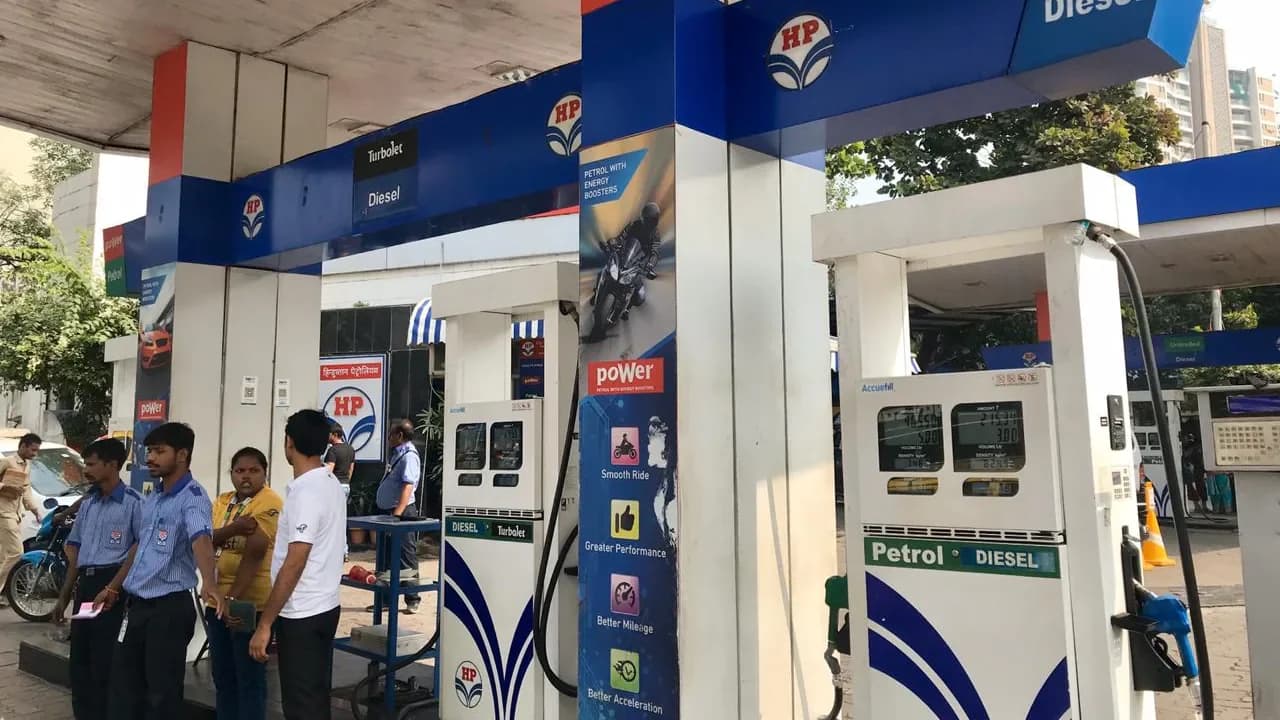
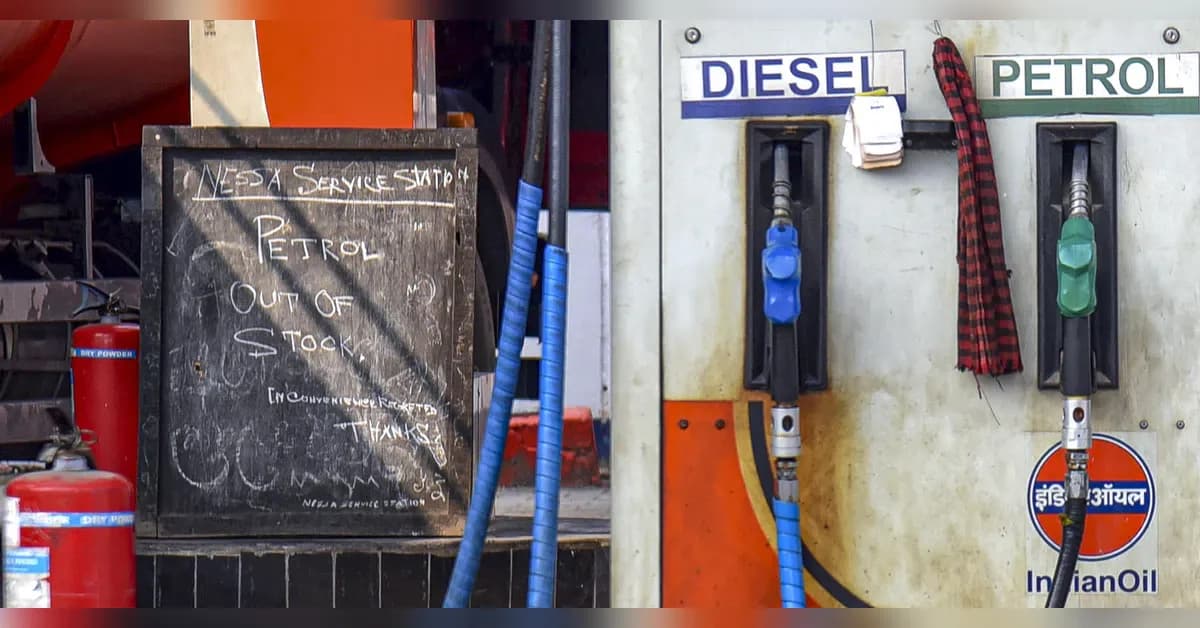
The Gujarat government on Monday appealed to citizens to not indulge in panic buying of petrol and diesel, asserting that sufficient fuel stock is available across the state. According to reports from NDTV, state government spokesperson and cabinet minister Jitu Vaghani said there is no need for citizens to panic due to rumours regarding fuel shortage. The government machinery is continuously collecting information about fuel availability at petrol pumps across all districts to identify areas where additional supply may be needed. This appeal comes as Maharashtra Chief Minister Devendra Fadnavis made similar clarifications, warning that stringent action would be taken against anyone found hoarding fuel. As per IANS, CM Fadnavis acknowledged that while tense situations have emerged in a few isolated pockets, the panic is not widespread, stating "Tensions have been reported in a few places, but this is not the case everywhere. Occurrences in isolated areas are being blown out of proportion." Maharashtra Minister Chhagan Bhujbal reinforced this message on Monday, speaking at a high-level review meeting at Mantralaya in Mumbai, where he assured citizens that there is no shortage of fuel in Maharashtra and appealed to the public not to believe rumours or engage in unnecessary hoarding.
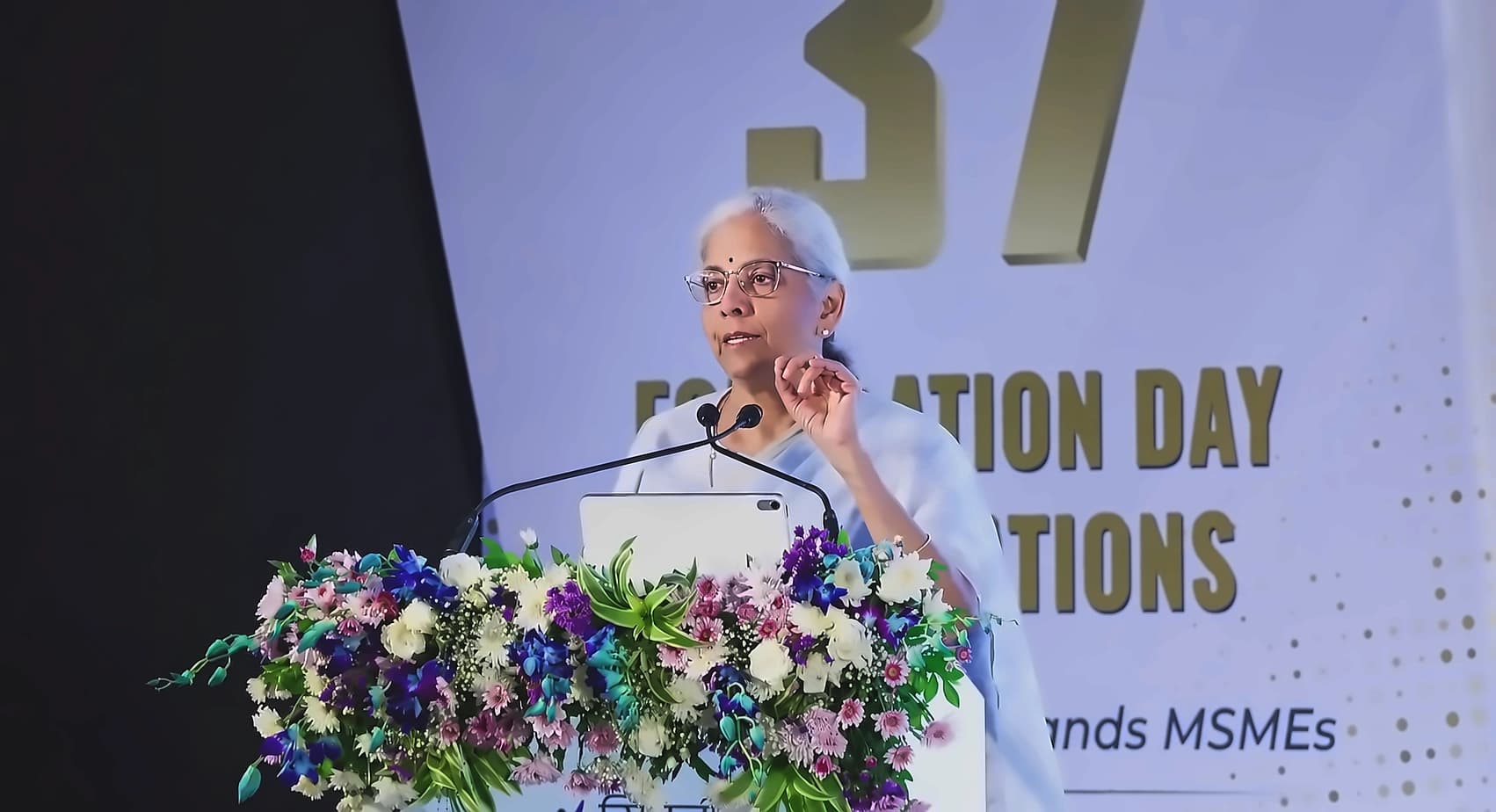
As reported by NDTV, senior officials of the Food, Civil Supplies and Consumer Affairs Department are holding almost daily review meetings with oil marketing companies including Indian Oil Corporation, Bharat Petroleum Corporation Limited and Hindustan Petroleum Corporation Limited to ensure timely dispatch of fuel tankers. District supply officers have been instructed to maintain constant monitoring of petrol and diesel stocks through video conferences and ensure there is no hoarding or unauthorised sale of fuel. According to Times Now, Sujata Sharma, Joint Secretary in the Ministry of Petroleum and Natural Gas, confirmed that all retail outlets are being closely monitored at the level of oil marketing companies and the petroleum ministry. She explained that petrol pumps normally hold stocks to meet 2-3 days of requirement, and when there is a sudden growth of 20-30% demand, there could be difficulty due to last-mile constraints in immediately moving stocks. The ministry is conducting video conferences with officials from all states and union territories, asking them to monitor local supply situations and prevent hoarding or mismanagement. Bhujbal directed oil companies to launch awareness campaigns at district and taluka levels to reassure people that fuel stocks remain adequate and supplies are continuing normally, instructing local administrations and oil companies to monitor unusual buying patterns and prevent hoarding activities.
According to official data reviewed during the high-level review meeting at Mantralaya, daily petrol sales in Maharashtra increased by around 23%, while diesel sales surged by 52% across the state. Statewide petrol consumption reached 21,312 kilolitres on Monday, compared to the normal daily average of 17,337 kilolitres. Several districts witnessed unusually high fuel demand, with Nanded recording a 114% increase in diesel sales, while diesel demand rose by 154% in Akola, 105% in Wardha and 85% in Amravati. Pune recorded the highest petrol sales at 3,864 kilolitres, marking a 31% rise over normal daily levels, with diesel sales increasing by 37% to 6,185 kilolitres. In Nashik, petrol sales rose by 26% and diesel by 70%, while Thane recorded a 23% rise in petrol demand and a 35% increase in diesel sales. Oil marketing companies have reported an over 80% increase in monthly sales growth due to panic buying triggered by rumours, with the temporary gap before next supply reaching pumps being mistaken for shortage.
The government has prioritised LPG supplies for domestic households amid disruptions caused by the prevailing geopolitical situation. Sujata Sharma, Joint Secretary of the Ministry of Petroleum, stated that "The Oil Marketing Companies have been asked to work out a plan so that the reserve for LPG should be a minimum of 30 days with them, and they are working on it." She added that similar strategic reserve plans for crude oil are also underway. Addressing concerns related to the LPG backlog, she informed that it has now come down to a range of 4 and a half days, with oil marketing companies regularly in touch with state governments regarding district-wise sales data. According to official data, no "dry-outs" — a situation where distributors run out of LPG stock — have been reported at LPG distributorships despite supply pressures. Online LPG cylinder bookings rose to nearly 99% on an industry-wide basis on Thursday, reflecting stable availability and fulfilment, while Delivery Authentication Code (DAC)-based deliveries have increased significantly, touching around 96%. Over the last four days, around 1.80 crore domestic LPG cylinders were delivered against bookings of approximately 1.78 crore cylinders, indicating that deliveries exceeded fresh booking volumes during the period. As part of supply management measures, the government has decided to restrict commercial LPG allocation to 70% of pre-crisis levels, including a 10% reform-based allocation component.
As reported by NDTV, the state government has not imposed any restriction on fuel purchase for ordinary citizens. However, special arrangements have been made for bulk diesel supply, under which up to 200 litres can be supplied for agricultural purposes and up to 1,000 litres for mobile towers. The minister said complaints regarding 'petrol pump dry out' are being addressed promptly through coordination between district authorities and oil companies. CM Fadnavis highlighted that many people rely heavily on diesel for agricultural purposes, instructing District Collectors to monitor the situation closely and ensure systematic distribution based on necessity. Times Now reports show the impact of these rumours on actual sales, with petrol sales jumping by around 23% and diesel sales surging by 52% across Maharashtra, while NCP(SP) legislator Rohit Pawar criticised the government over disrupted fuel supply affecting farm preparation work during the sowing season.