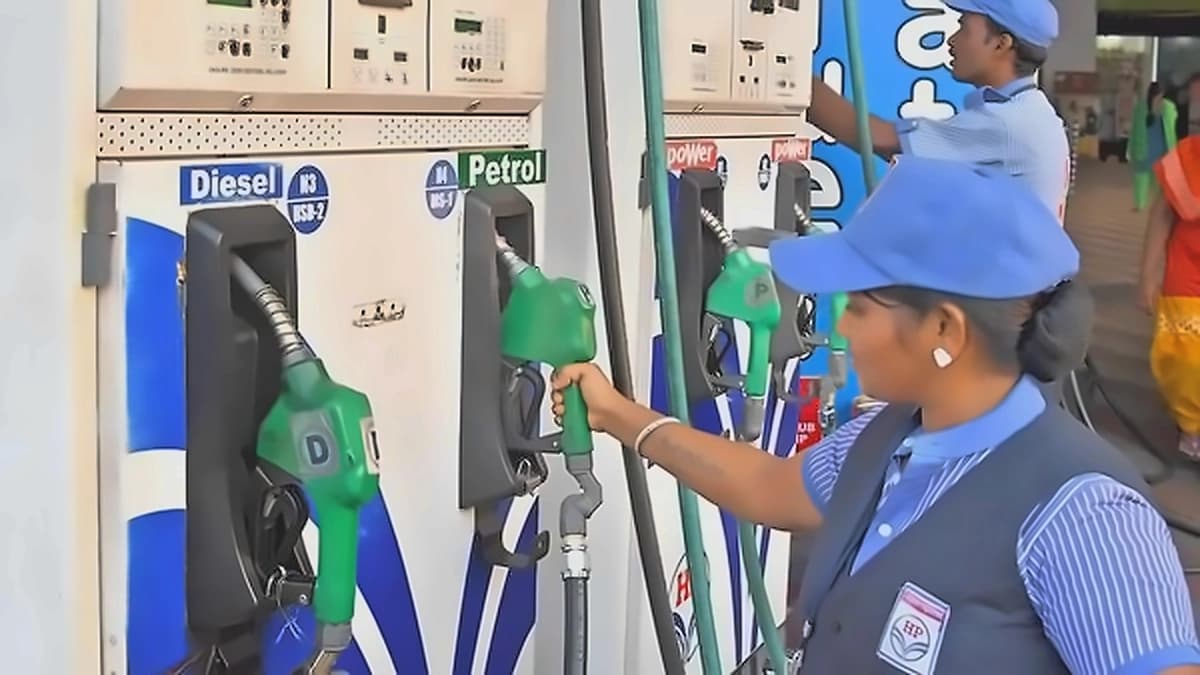
India has withdrawn the temporary restrictions on petrol and diesel sales from July 1, 2026, the Ministry of Petroleum and Natural Gas announced in an official release. The government stated that 'following a review of the supply situation of petroleum products in the country, the Government has concluded that the temporary regulatory measures are no longer required in the public interest'. The restrictions were initially imposed as emergency measures for 90 days after the West Asia crisis disrupted global supply chains and raised concerns about fuel availability. Under the restrictions, commercial users were not allowed to buy fuel from retail petrol pumps, while diesel purchases were limited to 200 litres per customer or vehicle each day. The June 12 order was issued under the Motor Spirit and High Speed Diesel (Temporary Regulation of Supply through Retail Outlets) Order, 2026, citing the current prevailing geopolitical situation affecting certain regions of the world that had disrupted international petroleum supply chains, shipping logistics and the availability of petroleum products.
The government has lifted all restrictions on petrol and diesel sales for commercial and industrial consumers, with the Ministry of Petroleum and Natural Gas confirming that 'bulk buyers can resume normal procurement channels, while retail outlets return to unrestricted sales'. As reported by Zee News, the restrictions have been completely removed with effect from July 1, 2026, allowing commercial and industrial consumers to purchase fuel without any limits from retail fuel stations. This means that commercial and industrial consumers are no longer limited to sourcing fuel from their own consumer pumps, marking a significant shift from the previous restrictions that were imposed due to the large price difference between retail fuel and bulk supplies. The ministry stated it is 'satisfied' over the current fuel supply situation in India and no longer finds it necessary to continue the public interest restrictions. The decision is expected to ease operations for transport operators, logistics companies and industrial users who had been working under capped purchase rules for several weeks.
The government stated that these measures were introduced to ensure enough fuel was available for everyone, prevent hoarding, stop misuse, and keep supplies steady at fair prices. During the period of disruptions arising from the West Asia crisis, the Government 'continued to shield retail consumers from the sharp increase in international fuel prices by maintaining stable retail prices of petrol and diesel', which led to a significant price difference between retail fuel prices and those applicable to bulk consumers. Industry buyers were paying diesel prices that were nearly ₹40 per litre higher in the wholesale segment compared to retail pump rates, pushing several transport operators and big buyers to move their purchases to retail outlets. The surge in retail demand disproportionately affected state-run retailers Indian Oil Corp, Bharat Petroleum Corp and Hindustan Petroleum Corp, which together operate about 90% of India's more than 100,000 fuel stations. While diesel sales by private retailers dropped sharply, sales at state-run outlets rose significantly during the period. By lifting these temporary curbs, the government has signaled that domestic fuel inventories have fully stabilized and the emergency intervention is no longer required to ensure equitable distribution, prevent hoarding, or maintain fair market prices.
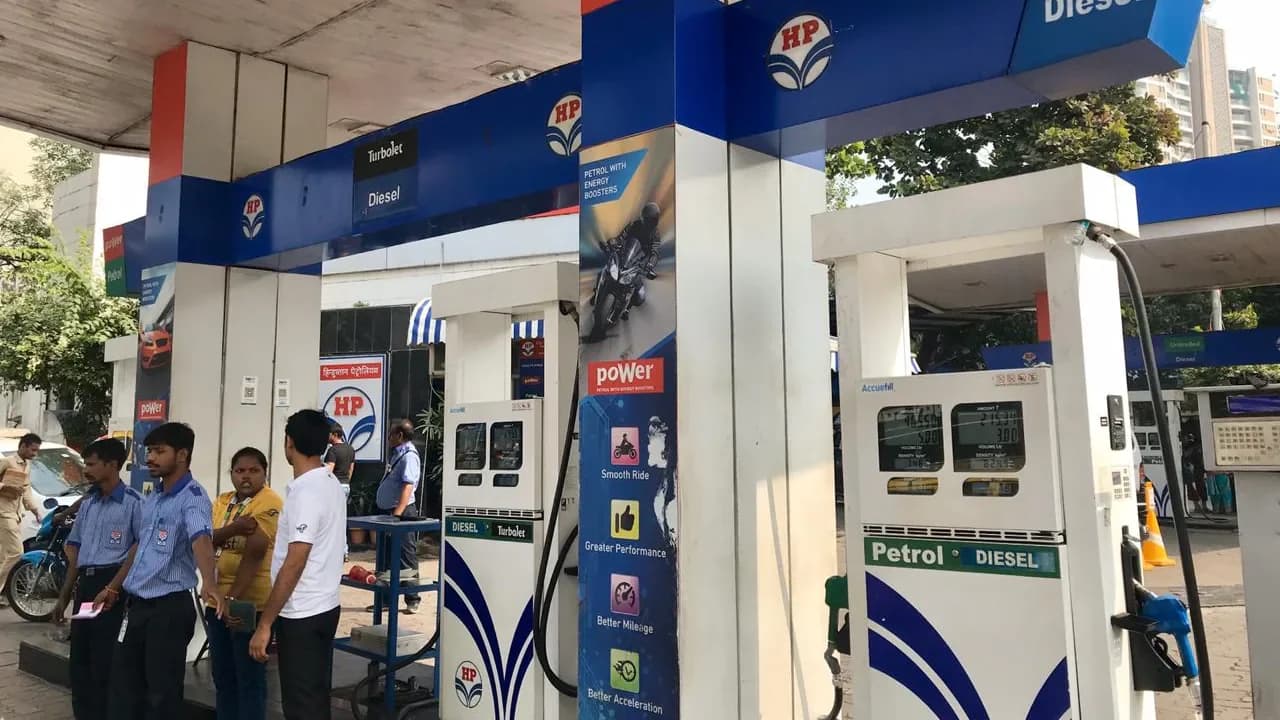
In a significant development, the government has also lifted all restrictions on the supply of industrial and commercial liquefied petroleum gas (LPG), bringing supplies back to normal after months of limits imposed due to disruptions caused by the Israel-US war against Iran. As reported by the Ministry of Petroleum and Natural Gas, "In a major relief to industrial and commercial LPG consumers, the Government has removed all sectoral restrictions on the supply of non-domestic packed LPG and restored supplies to the levels prevailing prior to the West Asia crisis." The ministry has asked oil marketing companies to resume full supplies of non-domestic packed LPG cylinders, with businesses now allowed to use up to 50% of the amount they consumed before the crisis. However, commercial and industrial consumers that have already shifted to Piped Natural Gas (PNG) will not be allowed to switch back to LPG, as the government continues to promote PNG adoption.