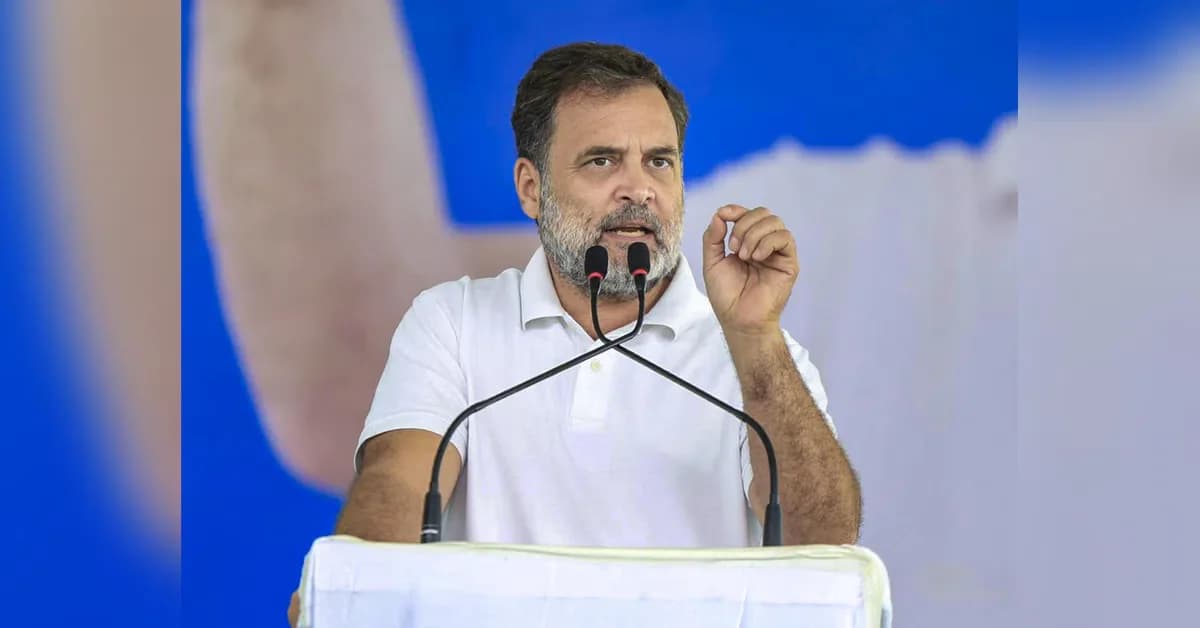
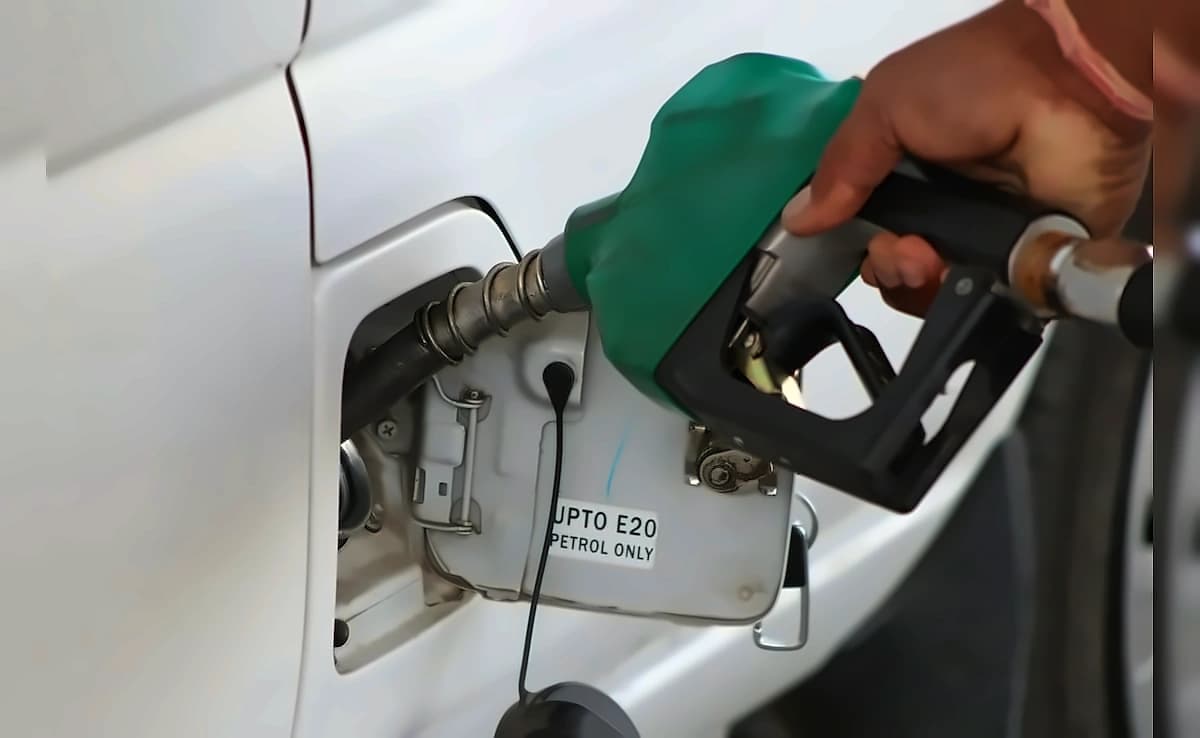
Union Finance Minister Nirmala Sitharaman announced that reducing excise duties on petrol and diesel would result in a revenue loss of approximately ₹1 lakh crore. According to reports from The Times of India, her remarks came as fuel prices experienced a fresh round of hikes, marking the fourth increase in 11 days. In the last 11 days, petrol prices have risen by ₹7.38 per litre, with Monday's hike adding further pressure on household budgets and transport costs. Sitharaman defended the Centre's handling of rising fuel prices, saying the government had already taken a major revenue hit to shield consumers from an even sharper spike.
Speaking at the 37th anniversary event of the Small Industries Development Bank of India (SIDBI) in Mumbai, Sitharaman criticised what she described as a growing "pessimistic narrative" being pushed by naysayers following Prime Minister Narendra Modi's appeals on altruism. As reported by The Times of India, she emphasised that "India cannot afford fearmongering" and stressed the need to build confidence among citizens through both words and actions. The Finance Minister dismissed exaggerated negativity, stating that some "naysayers" were portraying the situation as if everything is "crumbling," which she stressed was not the case. "There is a section of Indians who very quickly want to decry the achievements of our own people," she said, adding that "a pessimistic, cynical narrative is generated, which is just not right."
According to reports from The Times of India, Sitharaman highlighted rising global pressures, noting that fertiliser prices have reached unprecedented levels amid global market disruptions and rising costs. She urged focus on the "three Fs," fuel, fertiliser and forex, while asserting that India's economy remains resilient despite global uncertainty. The Finance Minister pointed to challenges being more externally driven and emphasised that India's domestic economic situation remains positive and resilient even today. "The Middle East crisis is not only a diplomatic or geopolitical issue," she said, explaining how it affects businesses and common people through higher fuel costs, delayed cargo, costlier shipping, shortage of inputs, pressure on working capital and uncertainty in export orders.
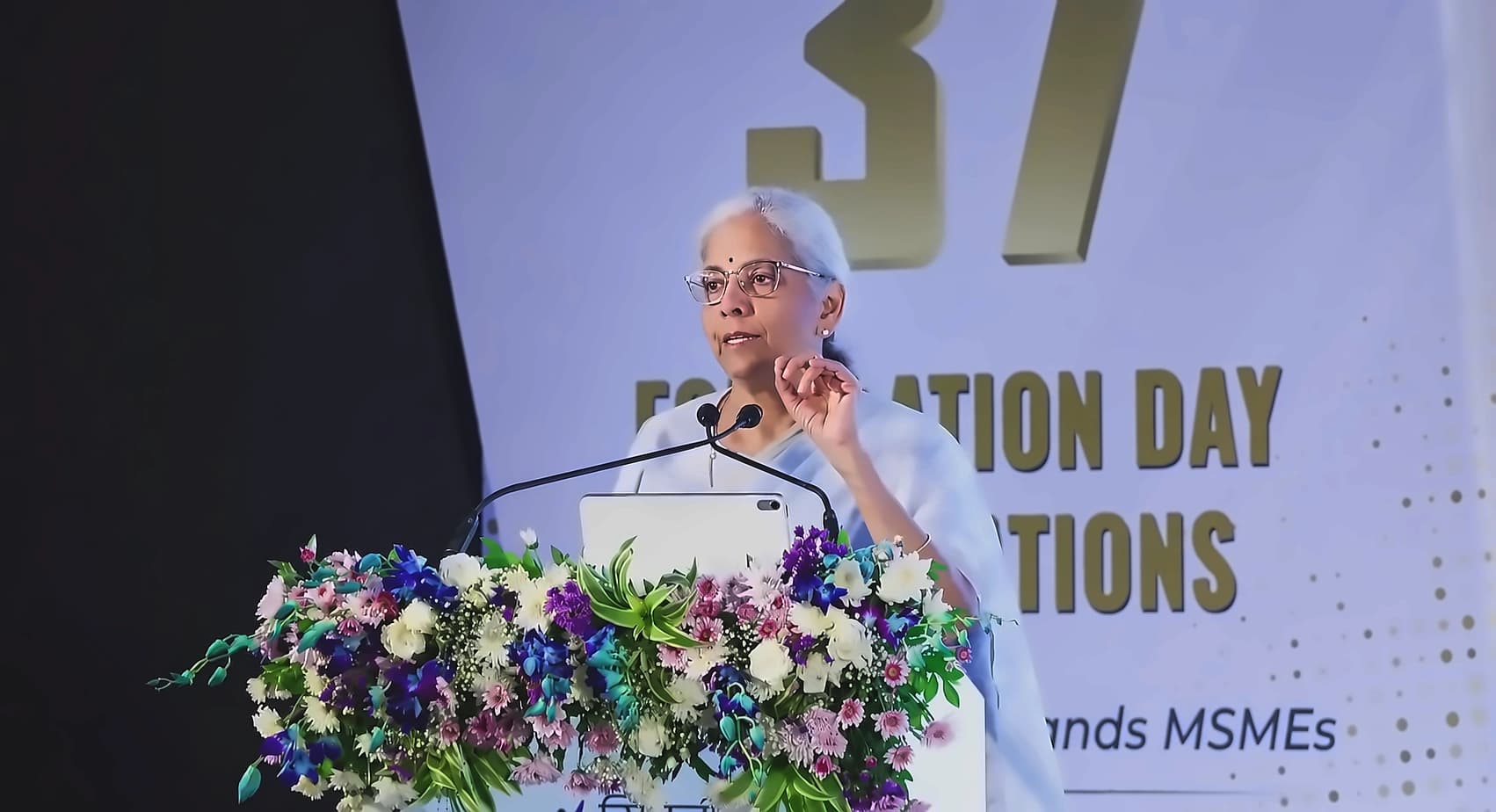
Minister Sitharaman raised concerns over ₹8.1 lakh crore locked in delayed payments to MSMEs, stating it is affecting working capital and growth. As reported by The Times of India, she urged public sector undertakings to ensure payments are made within the 45-day timeline for MSMEs. This payment delay issue represents a significant challenge for the micro, small and medium enterprises sector, with the minister flagging stress in the MSME sector amid the current economic pressures.
Ahead of the recent price hikes, the government had revised its fuel duty structure, lowering the special additional excise duty on petrol to ₹3 per litre and removing it entirely on diesel. According to reports from The Times of India, the move comes amid ongoing disruptions in global oil supply chains due to the conflict in the Middle East, with tensions around the Strait of Hormuz affecting energy flows. Since the Middle East conflict began, energy supplies through the crucial Strait of Hormuz have remained disrupted, sending ripples across the globe. As India imports nearly 85-90 per cent of its crude oil requirements, it has been among the worst affected by the surge in crude oil prices, with the rupee recently slipping close to the 97-per-dollar mark before recovering slightly.