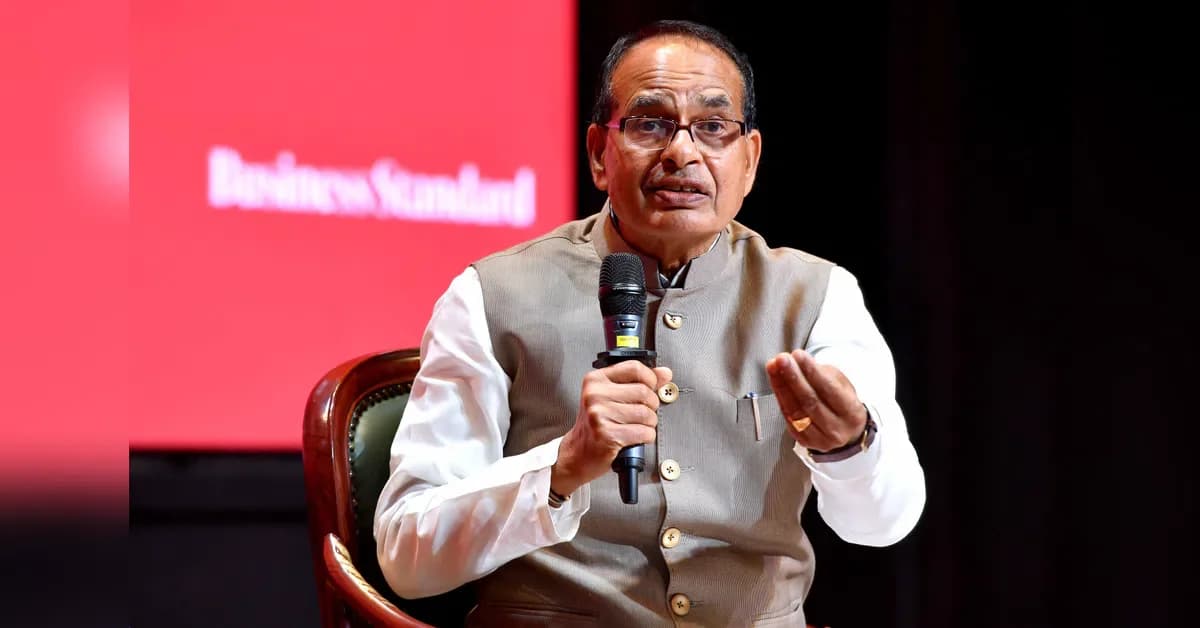
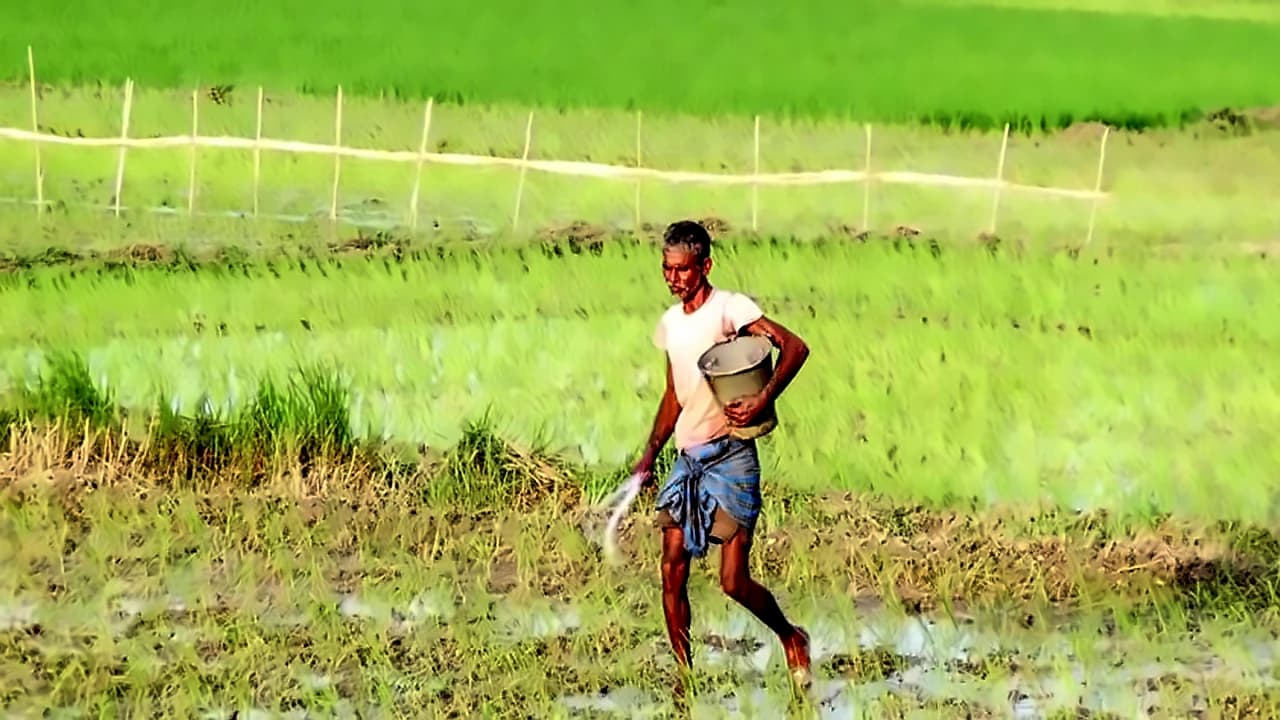
The Centre has launched a month-long 'Save the Fields' campaign from June 1 to help farmers make informed decisions amid mounting concerns over El Niño conditions and forecasts of one of the worst monsoons in the last 10 years. Union Agriculture and Farmers' Welfare Minister Shivraj Singh Chouhan announced that the campaign would focus on crop-specific advisories and climate-resilient farming guidance, with farmers receiving practical guidance tailored to local weather, soil and market conditions. As per Business Standard, Chouhan emphasized that the objective is not merely to disseminate information but to ensure that farmers receive field-level advice on what to sow, where to diversify and which alternatives are better suited in areas facing rainfall deficits or higher climatic risks. The campaign comes as policymakers closely monitor weather developments ahead of the sowing season, with agriculture experts warning that an El Niño event could affect rainfall distribution across several regions.
The India Meteorological Department (IMD) has further lowered its 2026 southwest monsoon forecast to 90 per cent of the Long Period Average (LPA) from the earlier predicted 92 per cent of LPA, indicating that rains are likely to be 'below normal' over the country as a whole. According to Business Standard, the forecast has a model error of plus or minus 4 per cent, and if accurate, would mean the driest monsoon in more than a decade. The last time India got lower rainfall than what has been forecast for 2026 was in 2015, when rainfall was almost 13 per cent below normal, at 12.7 per cent lower than the LPA. IMD said rainfall is expected to be below normal due to the development of El Niño during the monsoon season, but the Indian Ocean Dipole is expected to remain neutral during the season. In its second-stage forecast, no part of the country, barring north-east India, is expected to receive normal rainfall this year.
To strengthen outreach, more than 1,600 teams have been constituted across the country, with 500 teams operating in 100 districts identified for high fertiliser consumption. As reported by Business Standard, another 1,150 multidisciplinary teams from ICAR and KVKs will work simultaneously in other regions. The teams will comprise scientists from Krishi Vigyan Kendras (KVKs), ICAR institutes and All India Coordinated Research Project (AICRP) centres, along with agriculture department officials. The campaign will also be used to extend the reach of government programmes, with farmers assisted in accessing benefits under schemes such as Kisan Credit Card programme and PM-KISAN. Chouhan said the Centre would seek participation of chief ministers, ministers, Members of Parliament, legislators and other public representatives to transform the campaign into a broader public movement.
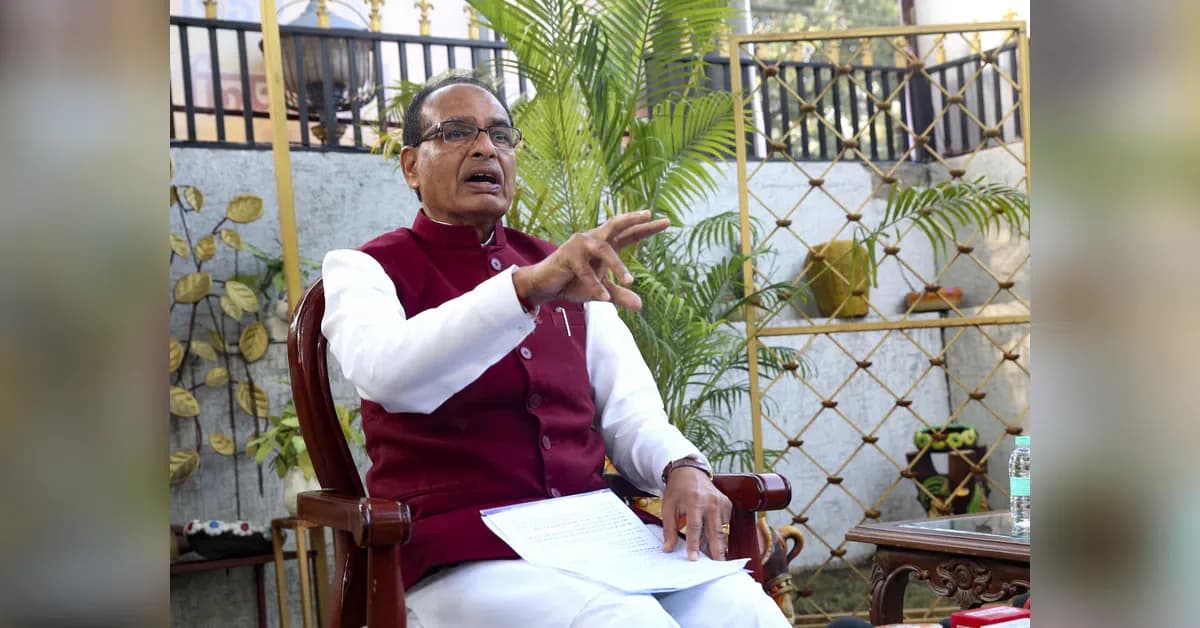
Union Agriculture Minister Shivraj Singh Chouhan announced that the Central government is fully prepared to tackle any adverse impact of El Nino on this year's kharif crop, emphasizing that preparedness, not panic, is the priority. Speaking at the inaugural session of the National Conference on Agriculture for Kharif Campaign 2026 in Delhi, Chouhan stated that contigency plans will be drawn up for affected districts and crop patterns revised wherever needed. The ministry is currently in the process of identifying districts for alternative crops and ensuring seed availability in the event of El Nino conditions affecting agricultural regions. Chouhan directed officials to ensure timely seed distribution before the monsoon, expand Kisan Credit Card coverage, speed up Farmer ID issuance, and crack down on fake seeds, fertilisers, and pesticides. The government's proactive approach aims to secure agricultural production despite potential weather challenges.
Union Agriculture Minister Shivraj Singh Chouhan confirmed that the government has adequate availability of seeds and fertilizers to meet demand during the upcoming Kharif season. According to NDTV, against the total demand of 173 lakh quintals, there is a stock of 192 lakh quintals of seeds. The government will maintain a buffer stock of 1.74 lakh quintals by National Seed Corporation to deal with emergency situations. For fertilizers, stock is at 200 lakh tonnes as of now as against the total Kharif demand of 390 lakh tonnes. Chouhan urged states to lift these seeds and provide them to farmers in a timely manner, emphasizing that seeds are the most important input for successful crop. The government has made adequate arrangements to ensure no fertilizer shortage during the critical sowing period, while the nationwide campaign aims to promote balanced fertilizer use in view of the West Asia crisis and soil conservation objectives.
The 'Save the Fields' campaign will focus on encouraging farmers to adopt climate-resilient agricultural practices and avoid decisions that could increase cultivation risks in water-stressed areas. According to Business Standard, special emphasis will be placed on promoting crop diversification, efficient input use and conservation-oriented farming practices. Alongside weather-linked advisories, the government plans to make balanced fertiliser use a central theme of the campaign, with Chouhan directing officials to intensify efforts to reduce excessive and imbalanced application of chemical fertilisers, particularly urea, which has been identified as a major contributor to declining soil health in several regions. Farmers will be encouraged to adopt soil test-based nutrient application, use balanced quantities of fertilisers and increase the use of green manure, organic inputs and bio-fertilisers. Demonstrations on Integrated Nutrient Management (INM) will also be organised at the field level, with the focus on saving the field, reducing cultivation costs and ensuring the farmer gets the right advice at the right time.