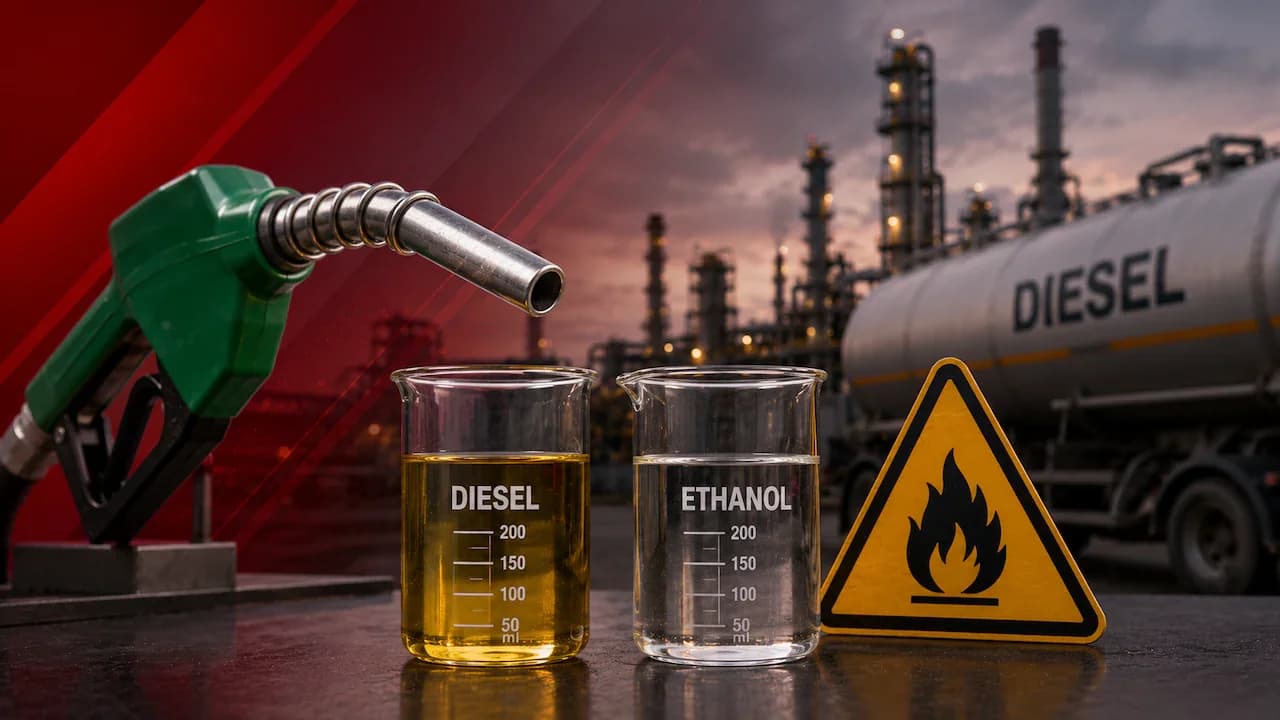
The government has definitively ruled out any increase in ethanol blending beyond 20% in petrol after 2026, with Premium petrol grades continuing to remain ethanol-free. Minister of State for Petroleum and Natural Gas Suresh Gopi confirmed in written replies to the Lok Sabha that premium petrol grades - Indian Oil Corp's XP100, Hindustan Petroleum's poWer100 and Bharat Petroleum's Speed100 - are not blended with ethanol because they are niche fuels containing specialised performance-enhancing additives. These premium grades account for only about 0.5% of total petrol sales and cost around ₹160 per litre compared to ₹102.12 a litre for normal petrol with 20% ethanol blending. The minister emphasized that any decision to raise ethanol blending beyond 20% will be taken only after detailed scientific and technical studies and consultations with automobile manufacturers, oil marketing companies and research institutions. The Centre has also ruled out restoring petrol with lower ethanol content, stating there is no proposal to reintroduce E0 or E10 fuel.
The government has provided comprehensive data showing no widespread adverse impact from E20 fuel. Minister Suresh Gopi reported that laboratory studies, field trials and operational data have shown no widespread adverse impact on engine durability, vehicle performance or vehicle life. The government stated it has not received any widespread or substantiated complaints from vehicle manufacturers, automobile associations or consumer organisations regarding E20 fuel. A leading four-wheeler maker covering 2.84 crore vehicles in 2025-26, including 1.5 crore non-E20-certified vehicles, found no damage linked to the fuel. A leading two-wheeler maker reported similar findings, with any mileage loss in older, E10-designed vehicles being 'generally marginal,' at around 3-5%. However, both controlled laboratory and real-world tests have found that E20 can reduce fuel efficiency because ethanol contains less energy than petrol, meaning motorists will get fewer kilometres per litre. Lab tests show a 2 to 6 per cent drop in fuel efficiency. The clarification comes amid concerns from motorists following the nationwide rollout of E20 petrol, which has replaced lower ethanol blends across more than one lakh fuel stations.
The government faced questions about water contamination warnings in blended petrol, with Brittas challenging the ministry's claim that no advisories warning motorists about water contamination in blended petrol had been issued. However, public notices displayed at petrol stations bearing the logos of Indian Oil, Bharat Petroleum and Hindustan Petroleum warn motorists that E15-E20 petrol can absorb water, advise preventing water from entering fuel tanks and disclaim responsibility for any consequential damage. The ministry had stated in its reply to MP V. Sivadasan that 'no state-wise record of complaints attributable to E20 fuel is maintained by the government'. Brittas emphasized that 'the absence of widespread failures cannot be equated with the absence of failures' and questioned whether genuine instances of engine damage, water contamination, or vehicle performance problems had occurred at all. Minister Gopi responded to these concerns by stating that the government has not received any widespread or substantiated complaints from automakers, consumer groups or automobile associations regarding engine damage linked to E20 fuel.
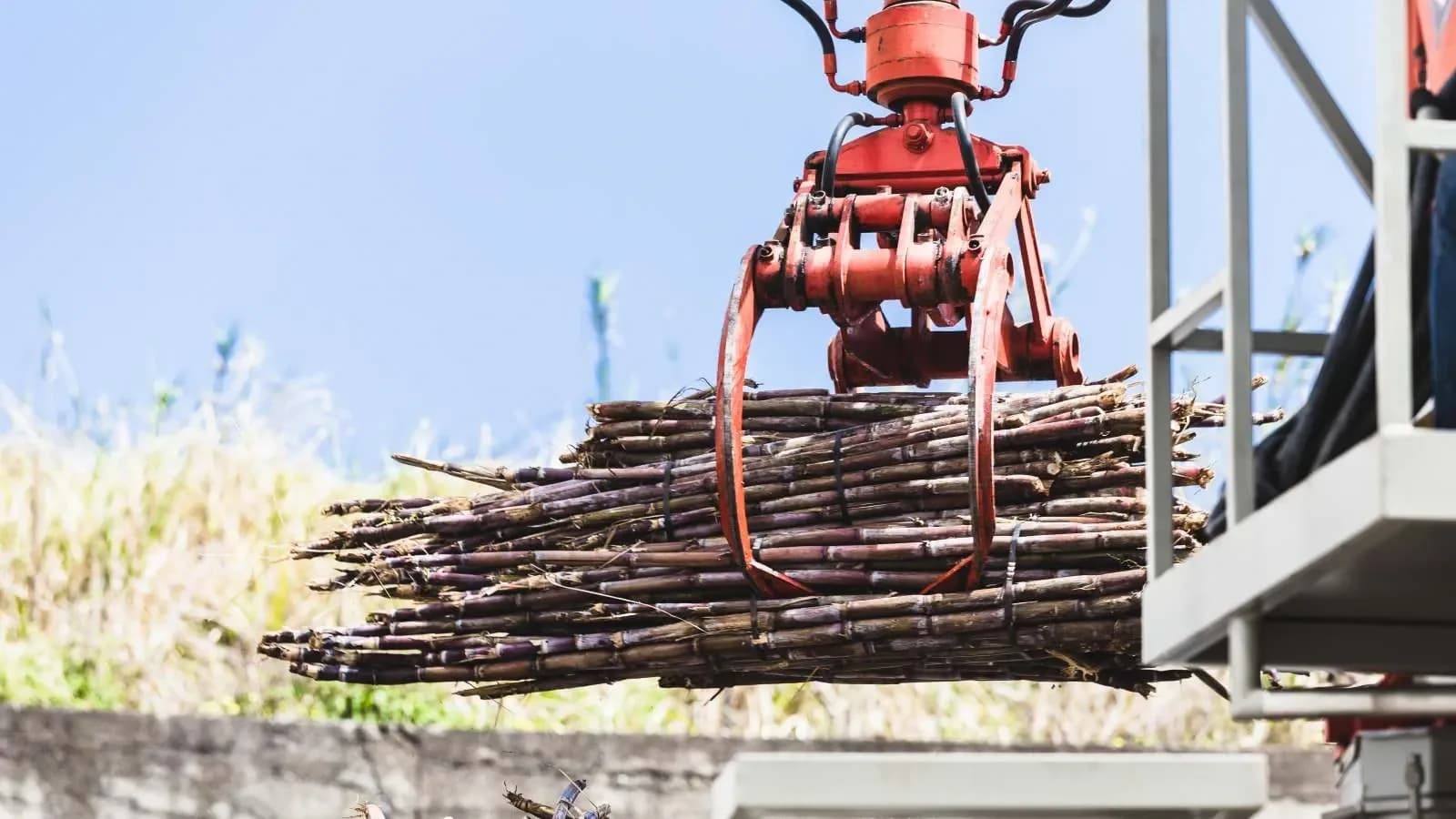
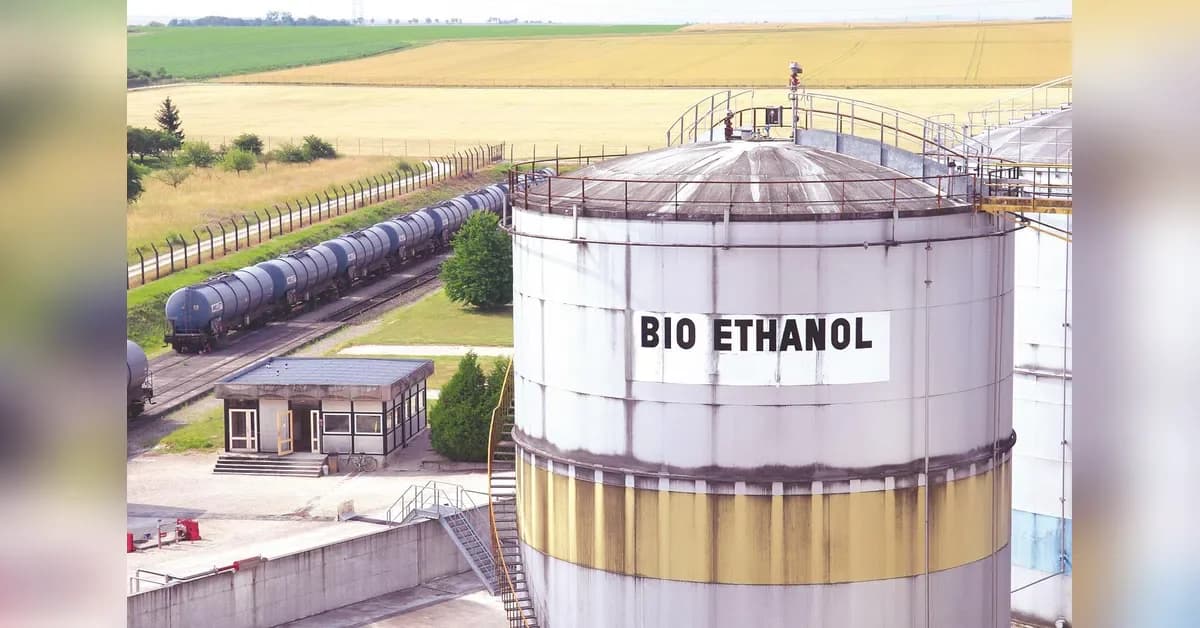
The ethanol blending programme provides multiple strategic benefits according to the government's statement. Since 2014-15, the programme has saved over ₹1.97 trillion in foreign exchange, displaced nearly 316 lakh tonnes of crude oil, avoided about 952 lakh tonnes of carbon dioxide emissions, and generated more than ₹1.66 lakh crore in additional farmer income. State-run oil marketing companies procured 705.43 crore litres of ethanol worth ₹49,577 crore in 2025-26 through June, following 1,033.31 crore litres worth ₹73,996 crore in 2024-25 and 679.04 crore litres worth ₹48,757 crore in 2023-24. The government is also promoting second-generation (2G) ethanol produced from agricultural residues under the Pradhan Mantri JI-VAN Yojana to reduce dependence on food-based feedstocks. Minister Gopi confirmed that India reached the 20% blending target five years ahead of schedule, with average blending rising from about 1.53% in 2013-14 to 20% in the 2025-26 supply year after more than two decades of phased rollout. Ethanol-blended motor spirit with a minimum research octane number (RON) of 95 has been notified with effect from April 1, 2026, with public and private fuel retailers directed to supply petrol blended with up to 20% ethanol across all states and Union territories under the Ethanol Blended Petrol (EBP) programme.