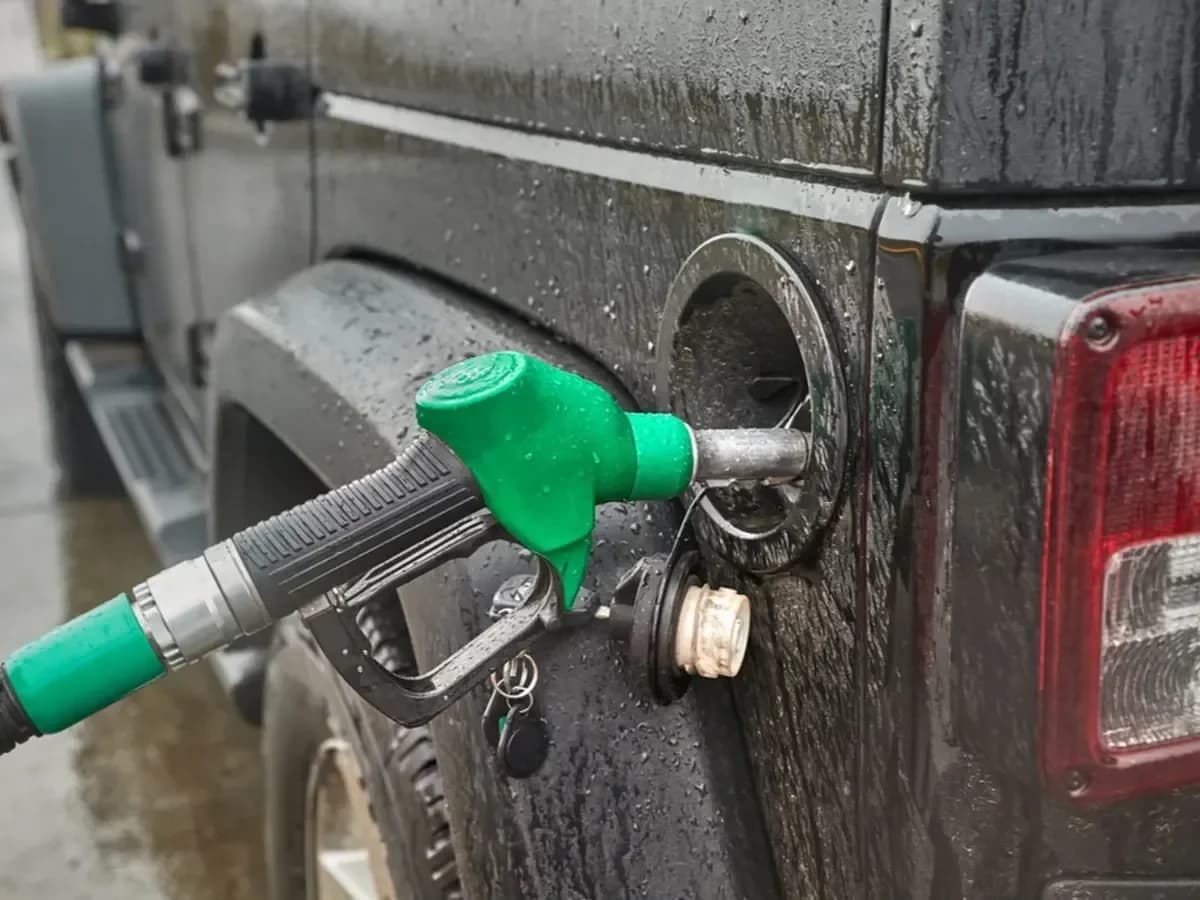
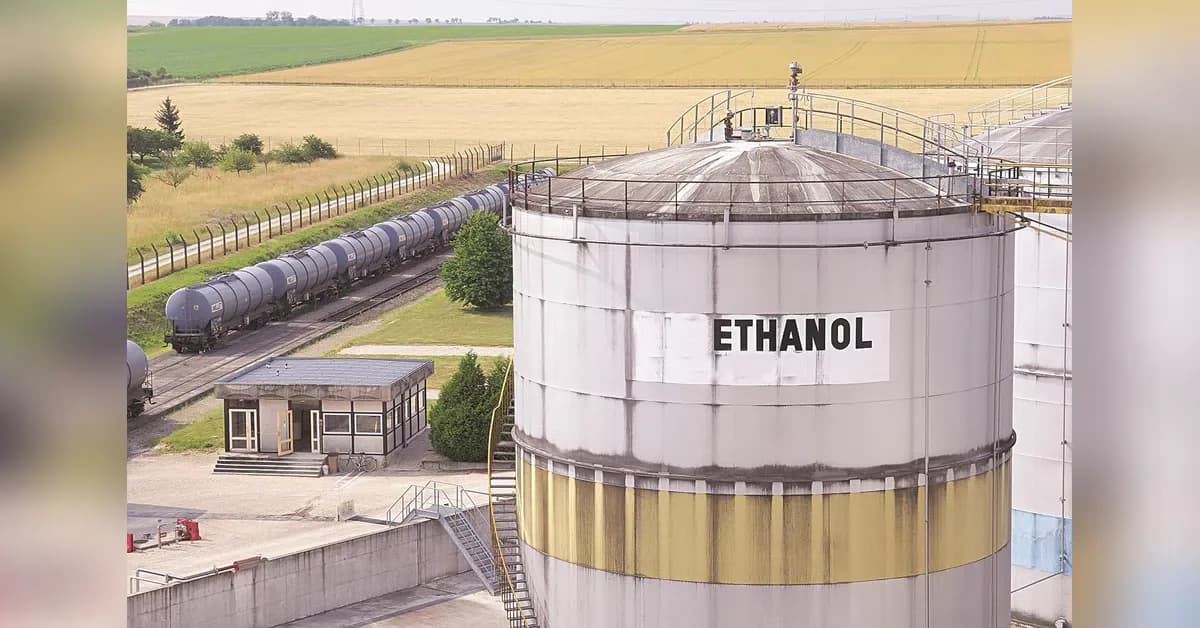
The government has officially clarified that no decision has been taken to increase ethanol blending beyond the current 20% level, as confirmed by Minister of State for Petroleum and Natural Gas Suresh Gopi in a written reply to the Rajya Sabha. According to Gopi, any future increase would come 'only after detailed scientific and technical studies and consultations with all relevant stakeholders, including automobile manufacturers, Oil Marketing Companies and research institutions'. This clarification comes as India successfully achieved the E20 blending target five years ahead of schedule, with average blending rising from about 1.53% in 2013-14 to 20% in the 2025-26 supply year after more than two decades of phased rollout. The minister emphasized that any proposal to increase the blending level would be considered only after comprehensive scientific and technical studies and consultations with automobile manufacturers, oil marketing companies and research institutions. Additionally, the government has ruled out introducing non-blended or lower-blend petrol at select fuel stations, maintaining that maintaining parallel nationwide supply chains would increase logistics complexity and costs while reducing environmental, energy security and farmer welfare benefits.
The Centre has significantly increased rice allocation for ethanol production, reserving 72 lakh tonnes of rice from official stocks for the next ethanol season, up from 52 lakh tonnes allocated in the 2025-26 supply year. In a communication to the Food Corporation of India (FCI) on July 16, the ministry approved the sale of 72 lakh tonnes of rice at ₹2,390 per quintal to ethanol distilleries for production during Ethanol Supply Year (ESY) 2026-27 (November 2026 to October 2027). Additionally, the ministry has earmarked 55 lakh tonnes of 100% broken rice for sale through e-auction, which ethanol producers can procure to potentially make biofuel production more profitable. As per the latest data, rice diverted for ethanol rose to 39.28 lakh tonnes in 2025-26 through June 30 from 31.11 lakh tonnes in 2024-25, while maize diversion stood at 67.87 lakh tonnes in the same period, down from 131.18 lakh tonnes in 2024-25.
The ethanol programme has delivered significant economic and environmental benefits, with approximately $17.6 billion saved in foreign exchange through reduced crude oil imports, of which around $15.4 billion was transferred to farmers, contributing to a doubling of their income. Since 2014-15, the programme has saved over ₹1.97 trillion in foreign exchange, displaced nearly 316 lakh tonnes of crude oil, avoided about 952 lakh tonnes of carbon dioxide emissions, and generated more than ₹1.66 lakh crore in additional farmer income. The minister confirmed that no widespread or substantiated complaints have been received from vehicle manufacturers, automobile associations or consumer groups over engine failure, fuel-pump problems, corrosion or water contamination linked to E20 fuel. More than 20 crore two-wheelers and over 3 crore petrol cars have run on E15-plus and E19-E20 fuel for over three-and-a-half and two-and-a-half years respectively 'without any verified evidence of widespread engine failure or vehicle breakdown'. Addressing concerns raised through media reports and social media, Gopi stated that these have been scientifically examined.
The government has received comprehensive validation of E20 fuel performance from major vehicle manufacturers. As per the minister's statement, one leading passenger vehicle manufacturer analysed service records of 2.84 crore vehicles during 2025-26, including around 1.5 crore vehicles not certified for E20, and found no damage attributable to the fuel. Similarly, a leading two-wheeler manufacturer also reported similar findings. This data provides concrete evidence that concerns raised through media reports and social media have been scientifically examined and found to be unsubstantiated. The minister emphasized that these findings demonstrate the comprehensive scientific examination of all reported issues, providing confidence in the programme's safety and performance. On fuel efficiency, the minister noted that mileage is influenced more by driving habits, tyre pressure, servicing and air-conditioner usage than fuel type, with any reduction in fuel economy in certain older E10-designed vehicles generally limited to about 3-5%, while E20 offers a higher octane rating, superior anti-knock characteristics, cleaner combustion and smoother engine operation.
The government's ethanol procurement has shown consistent growth, with public sector oil marketing companies procuring 679.04 crore litres worth ₹48,757.01 crore in 2023-24, 1,033.31 crore litres worth ₹73,996.48 crore in 2024-25, and 705.43 crore litres worth ₹49,577.36 crore up to June in the 2025-26 ethanol supply year. Against an annual ethanol production of nearly 2,000 crore litres, oil marketing companies need 1,050-1,100 crore litres per year to meet the 20% blending target. As many as 501 ethanol suppliers are registered with the three companies, demonstrating the program's growing market participation. The Centre is considering allowing ethanol exports as India's production capacity significantly outpaces domestic demand, with neighbouring countries such as Nepal and Bangladesh, as well as Indonesia, emerging as potential export destinations. These countries have set ethanol blending targets of 10% but currently lack adequate distillation capacity and sufficient feedstock to meet their domestic requirements, creating an opportunity for Indian producers.
India has taken a decisive step into advanced biofuels by building four 2nd-generation ethanol plants that utilise agricultural waste from paddy fields, particularly rice straw. Out of these four facilities, three have already been commissioned and are ramping up capacity. This 2nd-generation feedstock-based ethanol is classified as ultra-low carbon ethanol, making it especially well-suited for conversion into sustainable aviation fuel (SAF) through the Alcohol-to-Jet (ATJ) pathway. The integration of SAF into India's biofuel ecosystem demonstrates how the ethanol programme is not only transforming road transport but also laying the foundation for decarbonising aviation, one of the hardest-to-abate sectors. The government's approach is designed to protect water sustainability, with feedstocks diversified beyond sugarcane to include maize, whose share in ethanol production rose to about 37% in 2025-26 from zero in 2021-22.