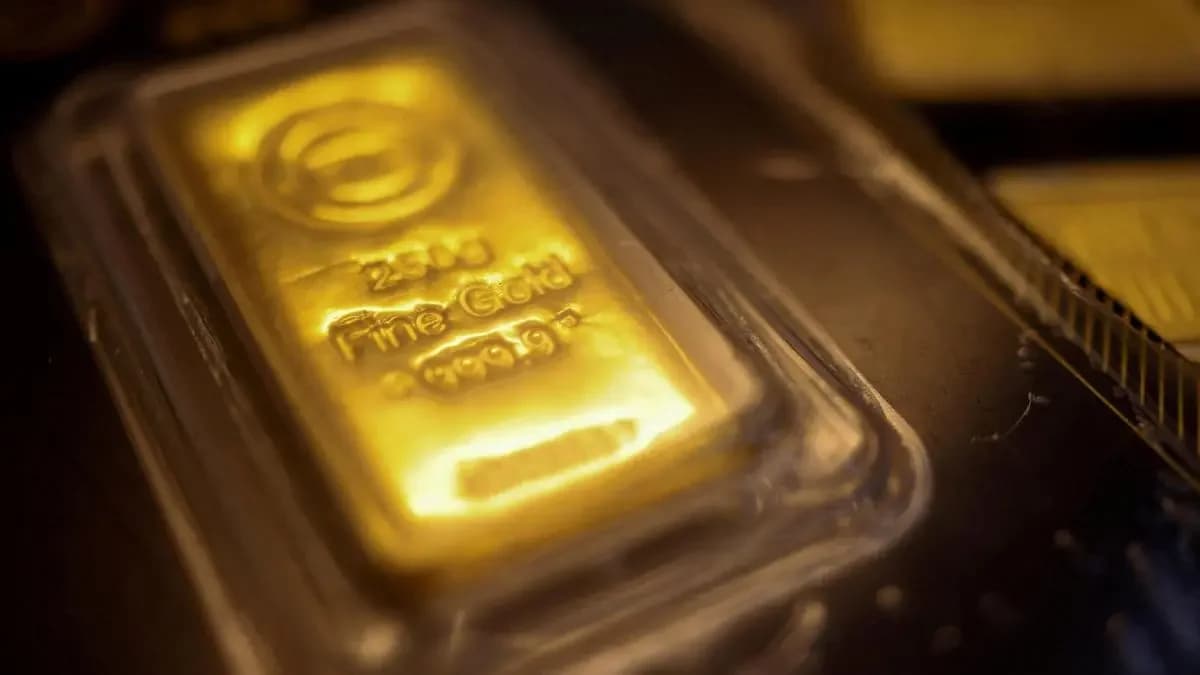
Gold prices have surged past $4,000 per ounce to $4,046, marking the biggest daily gain in over 2 months as markets digest the Democratic sweep in the U.S. midterm elections. According to latest reports, the precious metal is up 3% today, breaking back above the psychological $4,000 level that had been a key resistance point. The rally was triggered by the dollar index slipping to a 5-week low of 101.3, which measures the greenback's strength against six major currencies. A weaker dollar makes dollar-denominated assets like gold less expensive for consumers of other currencies, boosting demand for the precious metal. As Axel Rudolph, chief technical analyst at IG, notes, "The heavy Republican defeat is a stark reminder that even a president who dominates the political conversation is not immune to voter discontent."

The U.S. midterm election results showed a sweeping victory for Democrats in both the Senate and House, with Democrats poised to win at least 258 seats according to NBC News estimates. As reported by The Hindu, a party needs a minimum of 218 seats to secure a House majority, putting Democrats in a comfortable position for victory. The election results have raised expectations of political gridlock in Washington, which could potentially limit Trump's fiscal ambitions and keep some anchor on Treasury yields. This political uncertainty is contributing to the improved risk mood that is supporting gold prices, as the metal had been struck with risk fears and liquidation risks amid the recent tech selloff. The Guardian reports that "a divided US government has often been the best outcome for markets, and we are staring that squarely in the face today."
The near-term picture shows gold finally coming up for air after reclaiming the psychological $4,000 level, with buyers having also pushed past the key hourly moving averages. According to technical analysis, the rebound has some technical backing, though there's still plenty of work to be done. The next major hurdle sits closer to $4,200, with the 100-day moving average lurking around that region. Analysts note that gold prices are expected to continue the rally next week, though the direction of U.S. Treasury yields, real interest rates, and the dollar will remain important factors in determining whether the recent recovery develops into a sustained rally or remains a short-term rebound. Axel Rudolph from IG adds that "Midterms rattle Trump, send dollar lower and bullion higher."
Strategists at Societe Generale argue that the Democrats' blue wave in the U.S. should not change the direction of travel for the Fed, at least not in the short term, with a 25bp rate increase in December still seen as a high probability event. They note that futures for June -27 flatten to 55.5bp (-2.5bp) and that the 2s/10s curve trades flat at 33bp, ahead of the Treasury's announcement of its quarterly refunding plans. The yellow metal may struggle to sustain its rebound while Middle East tensions keep energy costs high and add to inflationary pressures, keeping the Federal Reserve and other major central banks on a hawkish path. However, The Guardian reports that "a divided government may ultimately prove manageable for markets, but the immediate message is clear:investors are becoming less comfortable with the political risks surrounding the White House."
Looking ahead, Jain expects demand for gold to remain elevated ahead of the festive and marriage season in India, with prices in Indian markets to consolidate near ₹1,30,000 per 10 grams by year end. As reported by The Hindu, lower crude prices could ease inflationary pressures and influence expectations around the U.S. Federal Reserve's interest rate trajectory, while the reopening of the Strait of Hormuz could reduce geopolitical risk premiums, though these factors may have mixed impacts on gold demand. The improved risk mood and weaker dollar conditions are providing additional support for gold's recovery in Indian markets.