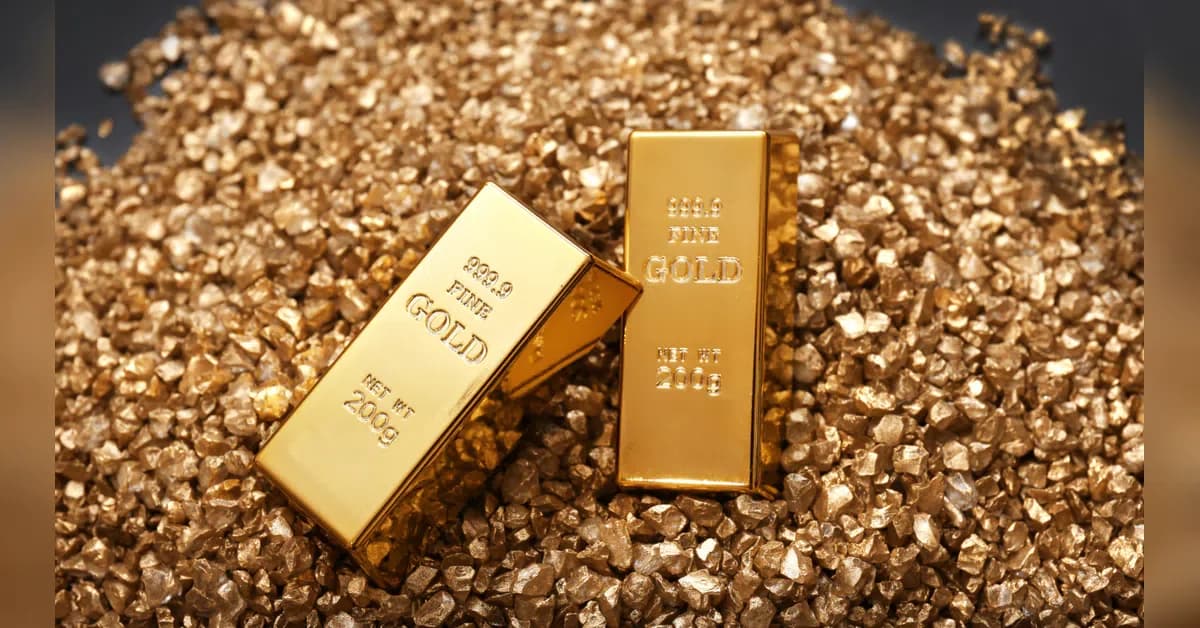
Spot gold has breached the psychological level of $4,500 per ounce, hitting an intraday low of $4,453 on May 20 - the weakest level since late March. Since peaking during the initial phase of the U.S.-Iran conflict, gold prices have cumulatively retraced by approximately 15%. The precious metal's decline comes as the Federal Reserve is expected to maintain higher interest rates for longer, reducing the appeal of non-yielding assets like gold. A stronger US dollar makes gold more expensive for holders of other currencies, while positive economic data from the US has reduced the immediate appeal of gold as a hedge against economic uncertainty. The recent breakdown indicates that under the prevailing trading regime, gold has not yet entered safe-haven mode but continues to behave like a high-beta risk asset, implying the market will remain in a turbulent period of risk unwinding.
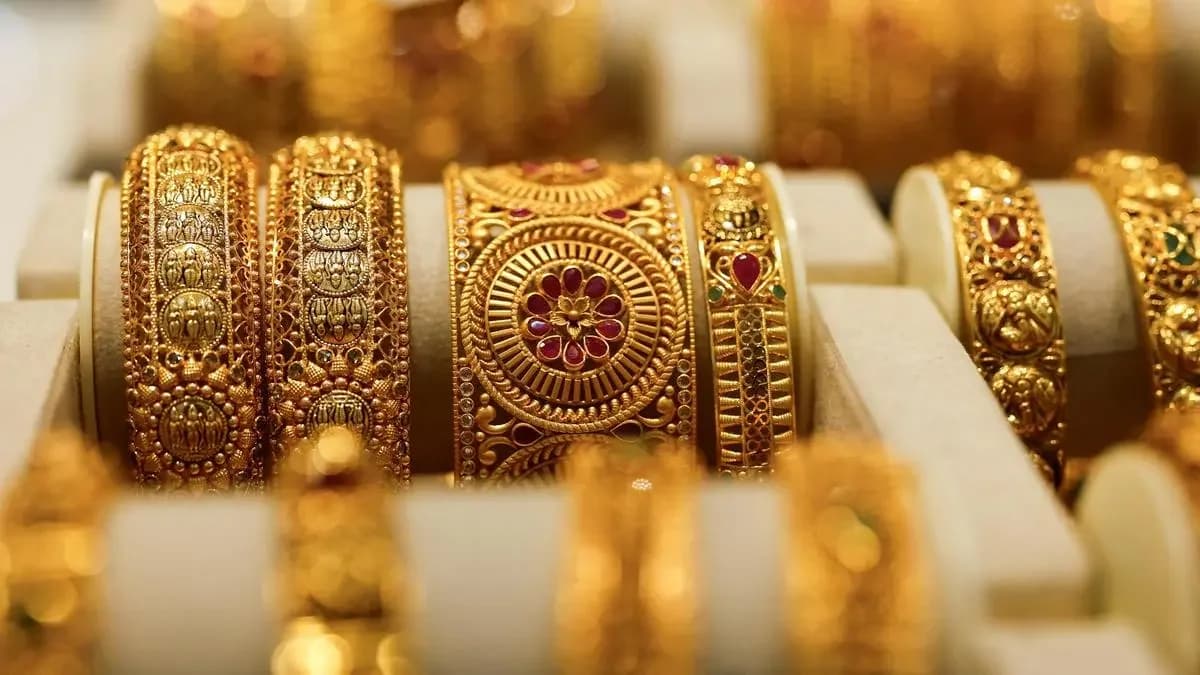
The South Asian country raised import tariffs on gold and silver to 15% from 6% earlier this month as part of efforts to reduce overseas purchases and ease pressure on foreign exchange reserves from higher oil prices, as reported by The Hindu BusinessLine. A Kolkata-based jeweller explained that retail buyers are confused by recent price swings and are waiting for prices to settle down. Jewellers are also reluctant to build stocks as the wedding season draws to a close amid uncertainty over retail demand, with bullion dealers indicating that jewelers are showing reluctance to increase inventories as the wedding season approaches its end. The domestic market is also influenced by the rupee-dollar exchange rate, with a weaker rupee making imports more expensive and potentially capping the downside for local gold prices. Combined with India's recent move to double its gold import duty to 15% and impose strict import quotas, this will lead to a decline in India's private-sector gold demand and temporary downward pressure on gold prices.
The latest decline reflects broader global trends, with surging U.S. Treasury yields—with the 10-year yield breaking above 4.6% and the 30-year yield surpassing 5.1% - the cost of holding gold has increased, worsening its risk-reward profile and prompting CTA and leveraged funds to liquidate positions. Particularly against the backdrop of surging U.S. Treasury yields, the cost of holding gold has risen and its risk-reward profile has deteriorated, prompting CTA and leveraged funds to unwind positions, thereby amplifying short-term volatility. The geopolitical standoff in the Strait of Hormuz persists, oil prices remain elevated, and dollar liquidity pressures continue to mount across multiple countries, forcing them to sell gold. Additionally, positive economic data from the US has reduced the immediate appeal of gold as a hedge against economic uncertainty, with investors in gold exchange-traded funds (ETFs) and sovereign gold bonds watching current levels closely as price movements affect their portfolio valuations.
In contrast, China's gold market shows signs of stabilization with bullion trading at premiums of $10 to $20 per ounce over the global benchmark price, down from the previous week's premiums of $15 to $20, according to The Hindu BusinessLine. Bernard Sin, regional director of Greater China at MKS PAMP, attributed this to Fed rate-hike anxiety, rising bond yields, and dollar strength continuing to weigh on gold in China. A stronger dollar makes greenback-priced bullion expensive for other currency holders, while elevated bond yields increase the opportunity cost of holding the non-yielding metal. Across other Asian markets, gold traded at near parity to premiums of up to $2 in Hong Kong, while it was sold at a slight discount in Japan, and in Singapore, the metal traded at premiums ranging from $1 to $3 per ounce.
Despite the current correction, gold's long-term bullish foundation remains solid, underpinned by the wave of de-dollarization, potential entry of Western institutional capital, and the long-term outlook for debt monetization. The future trajectory will depend on three phases: the current phase of inflationary shock, economic slowdown phase, and policy pivot phase as downside economic pressures intensify. Gold prices will remain volatile in the near term, but the bullish fundamentals remain intact over the medium to long term. The current situation in the Middle East remains uncertain, oil prices are trading at elevated levels, and both inflation expectations and real interest rates are rising. Heightened concerns about a second wave of inflation will further reinforce the hawkish stance of global central banks, with gold potentially testing the $4,300 support zone in the near term.