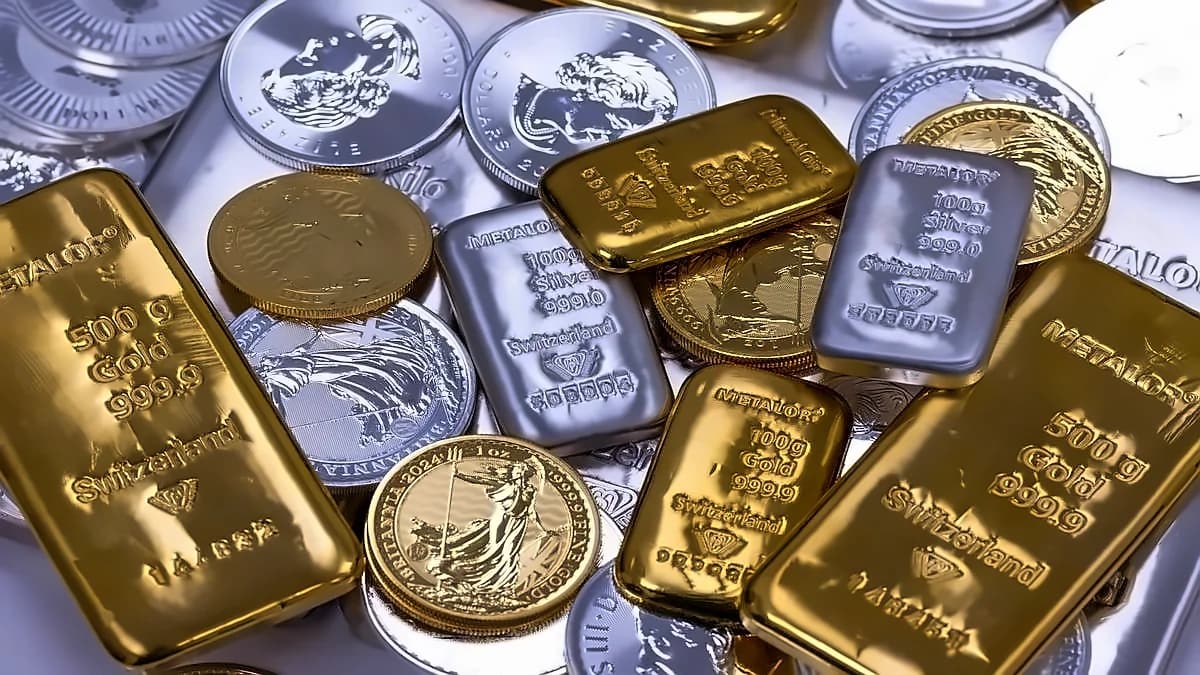
Gold prices rose 0.9% to $4,169.32 per ounce on Friday, October 9, recovering from a two-month low seen earlier this week, after President Trump explicitly ruled out military action against Iran before the November 3 midterm elections, according to CNBC. Trump stated that the US will not attack Iran before the 3 November midterm election, explicitly tying the timing of potential further military action to the domestic political calendar. This development comes after gold had dropped by about a fifth since the US-Iran war erupted in late February as surging energy costs stoke inflation and prompt central banks to tighten monetary policy. The President also claimed that Washington and Tehran were engaged in "productive discussions," while stating that the US blockade would remain in place. Spot gold rose 0.9% to $4,169.32 per ounce by 0137 GMT after hitting a two-month low on Wednesday, with US gold futures gaining 0.9% to $4,194.40.
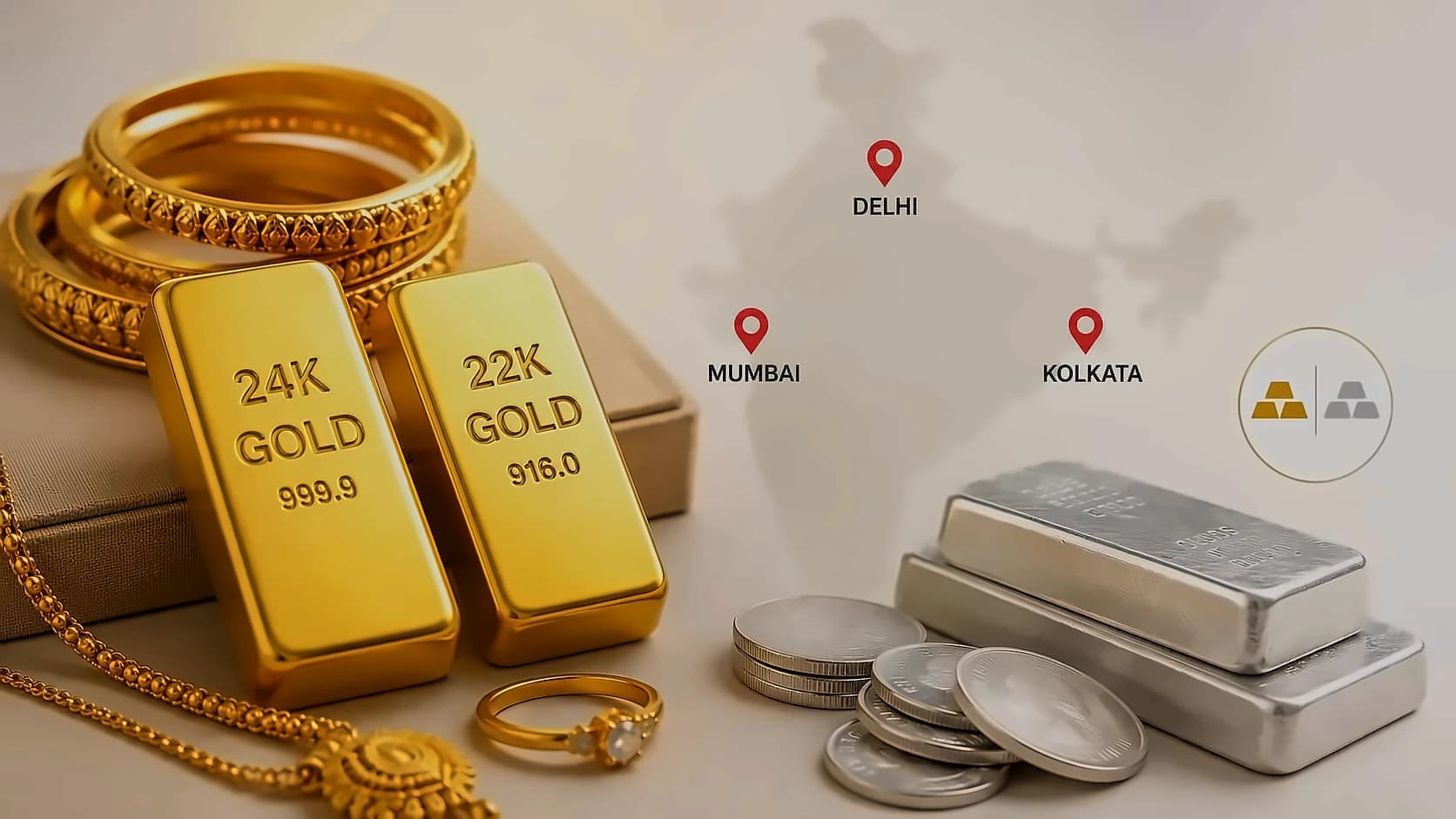
MCX gold rate on October 9 was trading 0.72% higher at ₹1,50,990 per 10 grams, while MCX silver futures were trading about 1.22% higher at ₹2,24,180 per kg at around 9:13 am, according to Mint. In the retail market, gold is sold in 24-karat and 22-karat purity, with 24-karat gold considered the purest form and 22-karat gold commonly used for jewellery because it is more durable. Across major Indian cities, 24-karat gold rates ranged from ₹1,50,460 to ₹1,51,120 per 10 grams, while 22-karat gold rates varied from ₹1,37,922 to ₹1,38,527 per 10 grams. Silver 999 Fine rates were priced between ₹2,23,390 and ₹2,24,410 per kg across different cities, showing the recovery in precious metals prices.
Central bank buying continues to offer significant price support for gold, with the People's Bank of China adding about 23 tons to its holdings in September, the biggest monthly bout of buying since 2023, as reported by Bloomberg. Central bankers gathered in Italy this week stressed the precious metal's role in diversifying reserves amid geopolitical uncertainties. The pullback in dollar makes greenback-denominated gold less expensive for holders of other currencies, providing relief to international buyers. "The short-term investment case for gold remains challenged... We would need to see a break above $4,275 to become more constructive on the near-term upside," said Chris Weston, head of research at Pepperstone, as reported by The Hindu BusinessLine. "If markets begin treating rising long-end yields as a reflection of sovereign credit and fiscal risk rather than stronger economic fundamentals, gold could start to diverge positively from bond yields and the debasement trade could return with greater force."
The Federal Reserve's next move remains a key focus, with traders pricing in only a one-in-five chance of a rate hike in October, but a roughly 80% probability in December, according to Bloomberg. The minutes from the last US Federal Reserve meeting showed that all 19 policymakers backed the September hike decision, and most expected another would be appropriate by year-end. Gold prices have been affected by US interest rate expectations, Treasury yields, changes in the dollar, geopolitical unrest and profit-taking, said Anand K Rathi, Co-Founder of MIRA Money. The US dollar is another important variable for precious metals, with a stronger dollar putting pressure on dollar-denominated gold and silver by making them more expensive for buyers using other currencies. For Indian investors, currency movements have an additional impact, with domestic gold prices influenced by both international bullion prices and the rupee-dollar exchange rate.
On the geopolitical front, three people have been killed in attacks on Saudi airports, the country's civil aviation authorities said on Wednesday, as fighting intensified in Yemen between the Iran-aligned Houthis and Saudi-backed government forces, according to The Economic Times. The global economy is under threat from persistently high energy prices, record public debt and risks from the AI investment boom, International Monetary Fund Managing Director Kristalina Georgieva warned, urging governments to implement protective fiscal and monetary policy measures. Elsewhere, gold miner Perseus Mining sees strong merger and acquisition activity across the sector but expects dealmaking to remain difficult as companies struggle to agree on valuations amid volatile bullion prices, its chief executive said. The Bloomberg Dollar Spot Index was stable after gaining 0.3% the day before, with currency movements continuing to influence precious metals pricing.
The sharp increase in gold prices has changed purchasing patterns in India's jewellery market, with consumers becoming more selective and paying greater attention to design, purity, value and affordability, according to PNGS Director Amit Modak. World Gold Council data shows that Indian jewellery demand fell 15% year-on-year to 75.1 tonnes in Q2 2026, while the value of jewellery demand in the first half of 2026 rose 26% to $21 billion. The trend suggests that consumers are purchasing lower quantities by weight even as the amount spent on gold remains high. India's overall gold demand fell 6% year-on-year to 131.4 tonnes in Q2 2026, but its value increased 50% to a record ₹1.98 lakh crore, with bar-and-coin demand rising 9% and gold ETF demand increasing 49%. The upcoming festive and wedding season could provide support to jewellery demand, with wedding purchases tend to be relatively resilient because gold remains an important part of gifting and traditional ceremonies.
Despite gold being down 5% year-to-date and silver having lost 20% so far this year, the long-term sentiment toward gold remains bullish, according to The Financial Express. Central-bank demand remains an important structural factor for gold, with China and other emerging-market central banks adding gold to their reserves as part of broader reserve diversification. Investor participation has also expanded through financial products such as gold ETFs, which provide exposure to the metal without requiring physical ownership. The yield on the US 10-year Treasury note rose to 5.32% on Wednesday, a level last seen in 2002, with oil prices also climbing again on continued Middle East supply risks and a storm heading for oil-producing regions in the United States, with Brent oil above $101, jumping 1.35% over the previous session. For the near term, investors should track Fed policy expectations, US Treasury yields and the dollar, while Indian buyers also need to account for rupee movements.