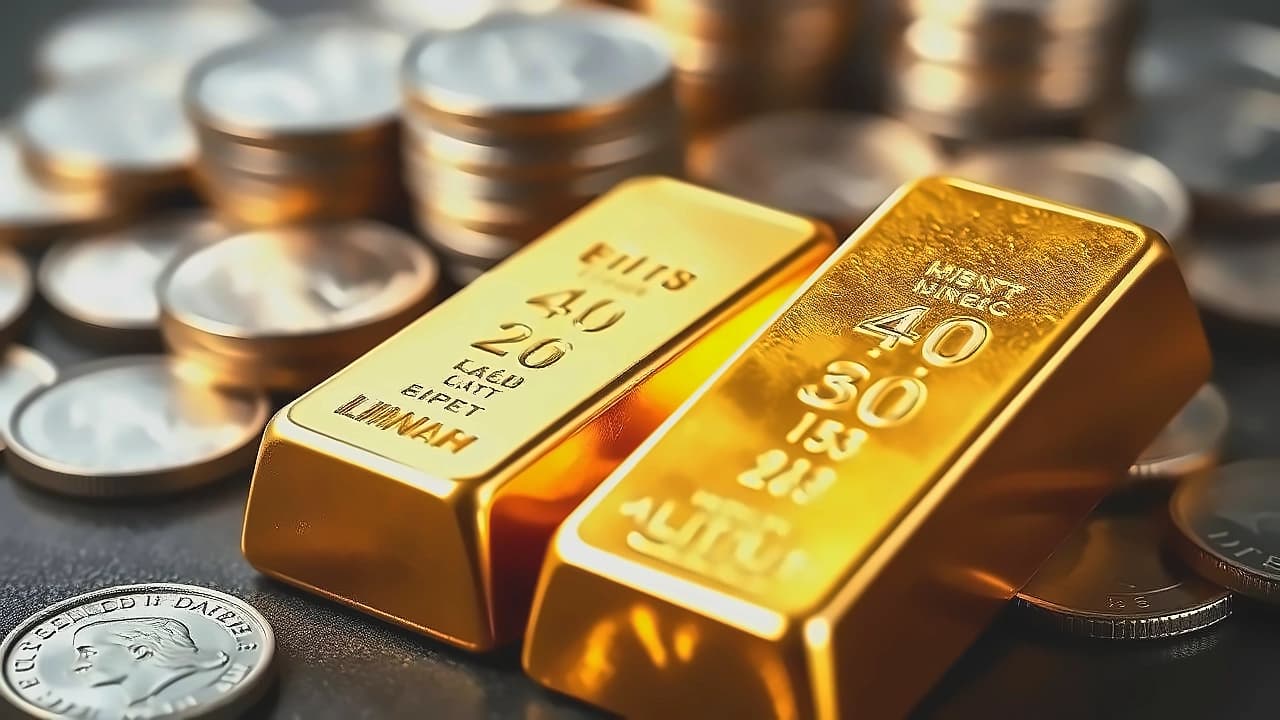
Gold and silver prices experienced a sharp reversal on Friday (May 15) after earlier gains driven by a weaker US dollar and investor focus on ongoing talks between US President Donald Trump and Chinese President Xi Jinping. MCX gold June futures were 0.89% down at ₹1.60 lakh per 10 grams, while MCX silver July futures fell 3.46% to ₹2.81 lakh per kg around 9:05 am. In global markets, spot silver declined 3.1% to $80.93 per ounce, while spot gold dropped 0.8% to $4,613.19 per ounce by 0205 GMT, marking its fourth straight session of losses and its lowest level since May 6. US gold futures for June delivery also slipped 1.4% to $4,619, with gold declining more than 2% so far this week. The decline mirrored losses in international markets, where COMEX gold and silver remained under pressure amid concerns that higher energy prices could keep inflation elevated and delay interest rate cuts by the US Federal Reserve. On May 15, 24K gold in India was priced at ₹159,470 per 10 grams, reflecting a loss of ₹2,890 compared to its previous close, while 22K gold stood at ₹146,181 per 10 grams. Gold prices in India continue to remain higher than in Dubai, with 24K gold in India at ₹159,470 per 10 grams compared to ₹141,436 in Dubai, reflecting a difference of ₹18,034 or 12.75%.
Markets are closely watching the two-day summit between US President Donald Trump and Chinese President Xi Jinping for potential breakthroughs in trade relations. According to LiveMint, Trump and Xi are scheduled to conclude a two-day state visit later on Friday, with discussions focusing on trade, geopolitical tensions and Taiwan-related issues. Xi reiterated that trade wars produce no net winners, characterizing the bilateral economic relationship as fundamentally cooperative and mutually beneficial. The summit comes amid rising geopolitical tensions, with the Iran conflict continuing to keep energy markets volatile as the Strait of Hormuz, a key global energy shipping route, remains effectively shut, prolonging supply worries and keeping inflation fears elevated. Brent crude prices have climbed more than 5% this week and continued to hover above $106 per barrel amid disruptions linked to the Iran conflict and tensions around the Strait of Hormuz. Oil prices headed for weekly gains, with West Texas Intermediate crude approaching $102 per barrel.
Fresh US economic data showed wholesale inflation accelerated at its fastest pace since 2022 in April, while consumer inflation recorded its sharpest increase since 2023. The inflation readings pushed the US dollar and bond yields higher, reducing the appeal of non-interest-bearing assets such as gold and silver. The dollar index has gained more than 1% this week, making bullion more expensive for holders of other currencies. Meanwhile, benchmark 10-year US Treasury yields climbed close to one-year highs, increasing the opportunity cost of holding precious metals. According to analysts at Axis Securities, COMEX silver witnessed sharp profit booking after stronger-than-expected US inflation data reduced expectations of an early Federal Reserve rate cut, weighing on sentiment across precious metals. Markets have fully unwound expectations for any 2026 Fed rate cut, pushing gold lower to approximately $4,700, while silver maintained its footing near $90. Gold prices are trending down as elevated oil prices stoke inflationary concerns worldwide, reinforcing expectations of tighter monetary policy by central banks globally. A strong dollar also added to the declines for gold, as a firm greenback makes precious metals more expensive for overseas currency holders. Markets have ruled out the possibility of any rate cuts for this year, with a few-market participants pricing in a rate hike for later in December.
The Centre earlier this week increased import duty on gold and silver to 15% from 6%, with the hike coming at the height of the West Asia war which has sent global oil prices over $100 per barrel and intensified demand for safe-haven precious metals. The import duty on platinum was also raised to 15.4% from 6.4%. Under the revised structure, the government raised the basic customs duty on several gold and silver import categories to 10% from 5%, while the 5% Agriculture Infrastructure and Development Cess (AIDC) remains unchanged, taking the effective import tax to 15%. India is the world's second-largest gold consumer, with more than 90% of demand met through imports, and in FY26, India's gold imports hit a record high of $71.98 billion. As per LiveMint, this move aimed to discourage overseas purchases and reduce pressure on foreign exchange reserves. In India, gold prices are trending down as markets digest the recent amendments implemented by the government to tighten measures on gold imports, in order to support the currency and help reduce the country's import bill.
Market experts are projecting significant upward momentum for both precious metals following the recent import duty hike. Abhilash Koikkara, Head - Forex & Commodities, Nuvama Professional Clients Group, predicts gold could target ₹1.70 lakh per 10 grams from current levels of ₹1.62 lakh, while silver is eyeing ₹3.4 lakh per kg from ₹2.96 lakh levels. According to LiveMint, Renisha Chainani, Head - Research at Augmont, noted that gold remains range-bound between $4,650 and $4,780, with no directional resolution, while silver has achieved the target of $90, next resistance is $92. The 155,000 levels marking the weekly breakout level serves as key support for gold, with any dip toward this area likely to draw fresh buying interest. For silver, the current week's low at ₹2.62 lakh acts as immediate support, with a firm close below that mark potentially putting bulls under pressure. According to Ravi Singh, Chief Research Officer at Master Capital Services, MCX gold continues to remain in a broader bullish structure despite the recent decline, with the metal maintaining a "higher high, higher low" pattern on daily charts. He identified ₹1.59 lakh per 10 grams as the key near-term support level and ₹1.65 lakh per 10 grams as the immediate resistance zone. Jigar Trivedi, Senior Research Analyst at Indusind Securities, expects MCX Gold June futures to drop to ₹161,500/10g and ₹162,500/10g is a cap for intraday today.
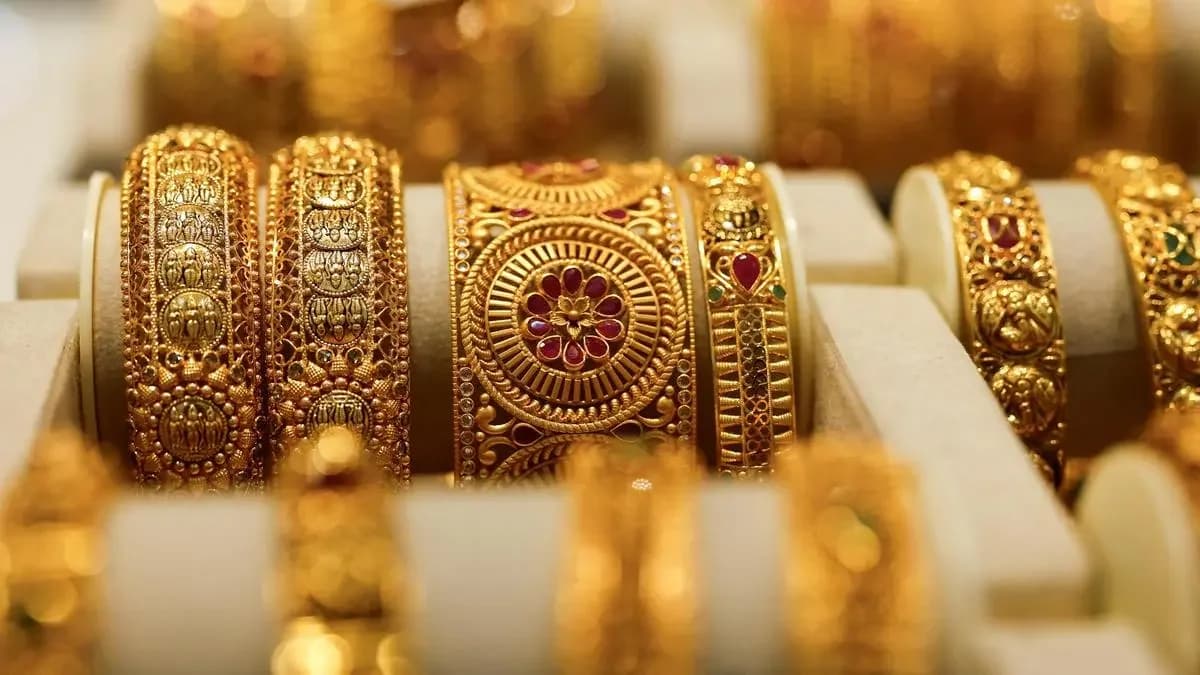
The sharp rise in prices has fundamentally changed consumer behavior rather than eliminated demand altogether. According to Reuters, gold discounts in India widened to record levels of more than $200 an ounce as elevated prices and weaker demand triggered investor selling. Industry experts noted that contemporary consumers are becoming more thoughtful and seeking jewellery products that are high-quality, multifunctional, and valuable both emotionally and financially. As per Dishi Somani, Founder, Dishis Designer Jewellery, Indian consumers continue to view gold as a valued asset, especially during weddings and festivals, while demand is shifting toward lightweight and wearable jewellery products that also serve as long-term investments. The bullion market is also reacting to developments in India after the recent import duty hike, which has significantly altered domestic buying trends. Dr Manoranjan Sharma, chief economist at Infomerics Ratings, notes that the PM's appeal, combined with the sharp increase in import duties is likely to accelerate the shift from physical gold toward financial gold products such as Gold ETFs and Gold Fund of Funds (FoF).
Gold and silver ETFs jumped 15% with specific performance data showing Quantum Gold Fund leading at ₹143.37 (15% gain), Tata Gold ETF at ₹132.6 (12% gain), Zerodha Gold ETF at ₹128.7 (9% gain), while three gold-based ETFs climbed 8% each. Among silver ETFs, HDFC Silver ETF and UTI Silver ETF gained the most, with around five silver ETFs posting gains up to 9% each. In January 2026, as much as ₹24,000 crore of inflows went into gold ETFs, nearly matching equity mutual fund inflows for the month. Gold ETF assets and folio counts have risen sharply, with India accounting for nearly one-third of global ETF demand in Q1 2026, as per Infomerics Ratings. ETF-based demand growth is outpacing jewellery demand has been consistently falling in volumes, due to reduction in purchases of mid and small ticket segments. Investment demand led growth, with volume up 54% YoY to 82 tonnes and value up 179% YoY, outpacing jewellery demand, as per World Gold Council. Dr Sharma believes that gold ETF purchases in 2026 could exceed that of 2025 which itself saw a dream run, though inflows could only be tempered if prices become prohibitively expensive for retail investors.