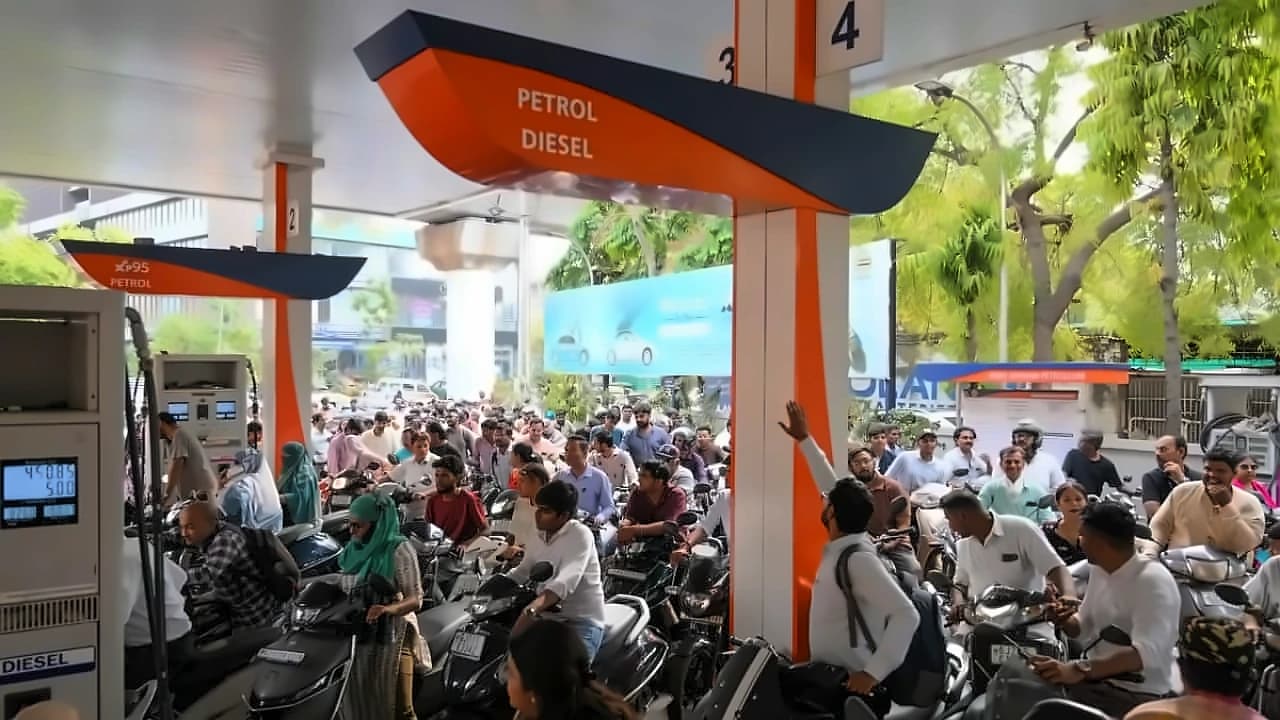
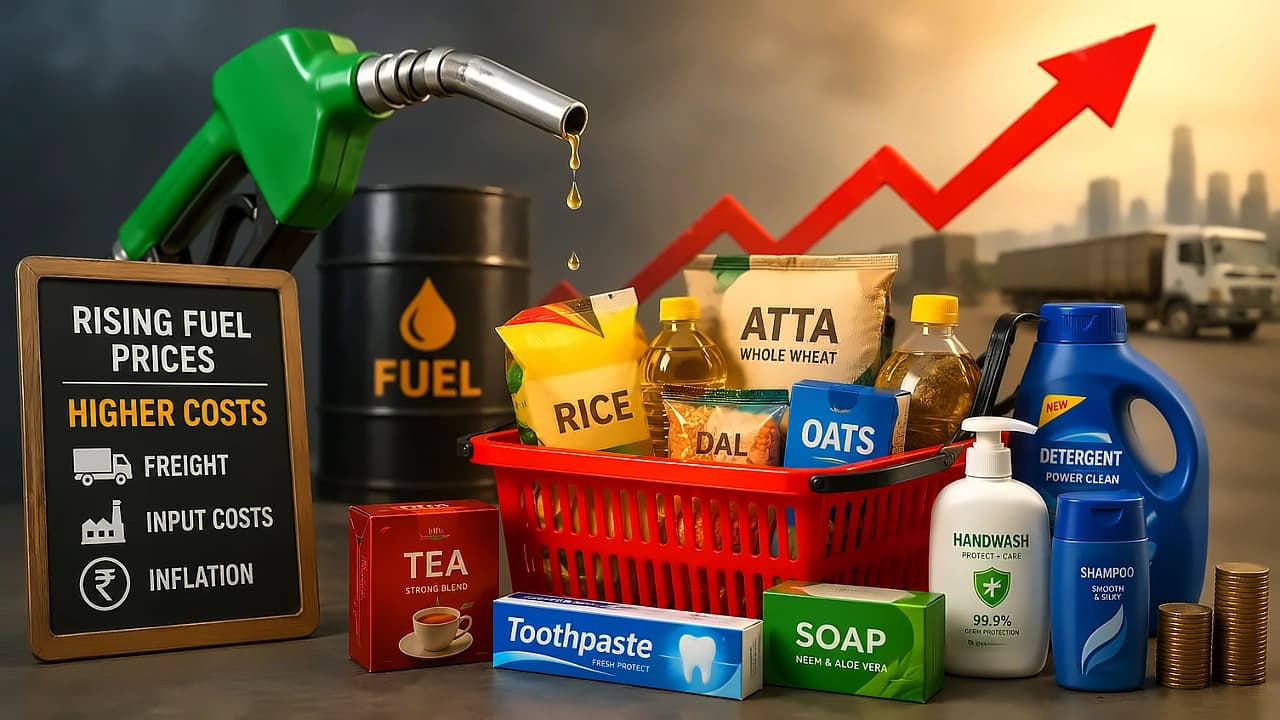
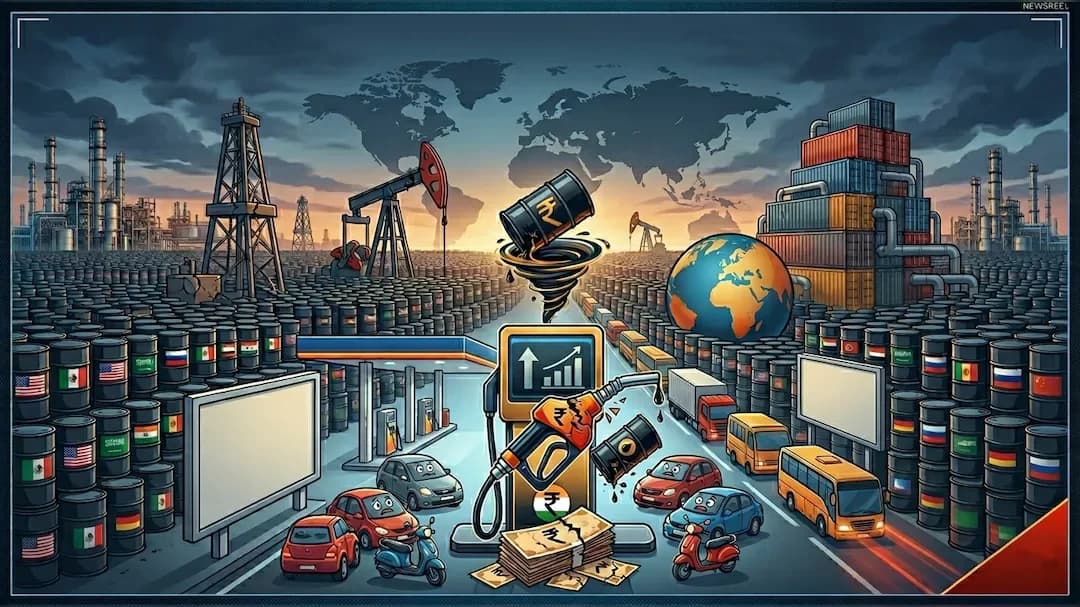
Fuel prices across India witnessed another significant revision on Monday, with petrol prices hiked by ₹2.61 per litre and diesel prices increased by ₹2.71 per litre. According to The Times of India, these increases mark the fourth revision in just ten days, bringing the total fuel price increase to ₹7.5 per litre since the Middle East crisis began. The latest hike comes against the backdrop of ongoing conflict in the Middle East, which has tightened global energy supplies and pressured crude shipments. Retail fuel prices had remained largely unchanged for nearly four years before the first hike on May 15, making the current surge particularly significant.
AAP leader Arvind Kejriwal has intensified criticism of the Centre over rising fuel prices, questioning why India is not importing cheaper oil from Russia and Iran despite both countries offering lower rates. In a post on X, Kejriwal wrote: "Oil prices have risen again. Yet we are still not buying cheap oil from Russia and Iran. What is Modi's such compulsion?" He claimed that nearly 97% of respondents in a public poll supported importing cheaper fuel from Russia and Iran. The former Delhi Chief Minister argued that while fuel prices in many countries increased by around ₹2.5 on average, Indian consumers were facing a much steeper rise. Kejriwal claimed that both Russia and Iran were ready to provide India with sufficient quantities of cheaper fuel, questioning what constraints were preventing the government from taking advantage of these offers.
The fuel price increases are creating immediate pressure on transportation and logistics sectors. As reported by The Times of India, fuel alone accounts for more than 55% of truck operating costs, with transporters facing significant operational pressure from four rapid fuel revisions. The sector is already raising freight charges, which is expected to increase the cost of delivered goods, including essential items. Logistics operations are under strain, with higher operating costs affecting delivery schedules and reducing overall efficiency in supply chains. In several regions, vehicles are being kept idle due to rising operating costs, leading to estimated losses of nearly ₹3,500 per vehicle per day in some sectors.
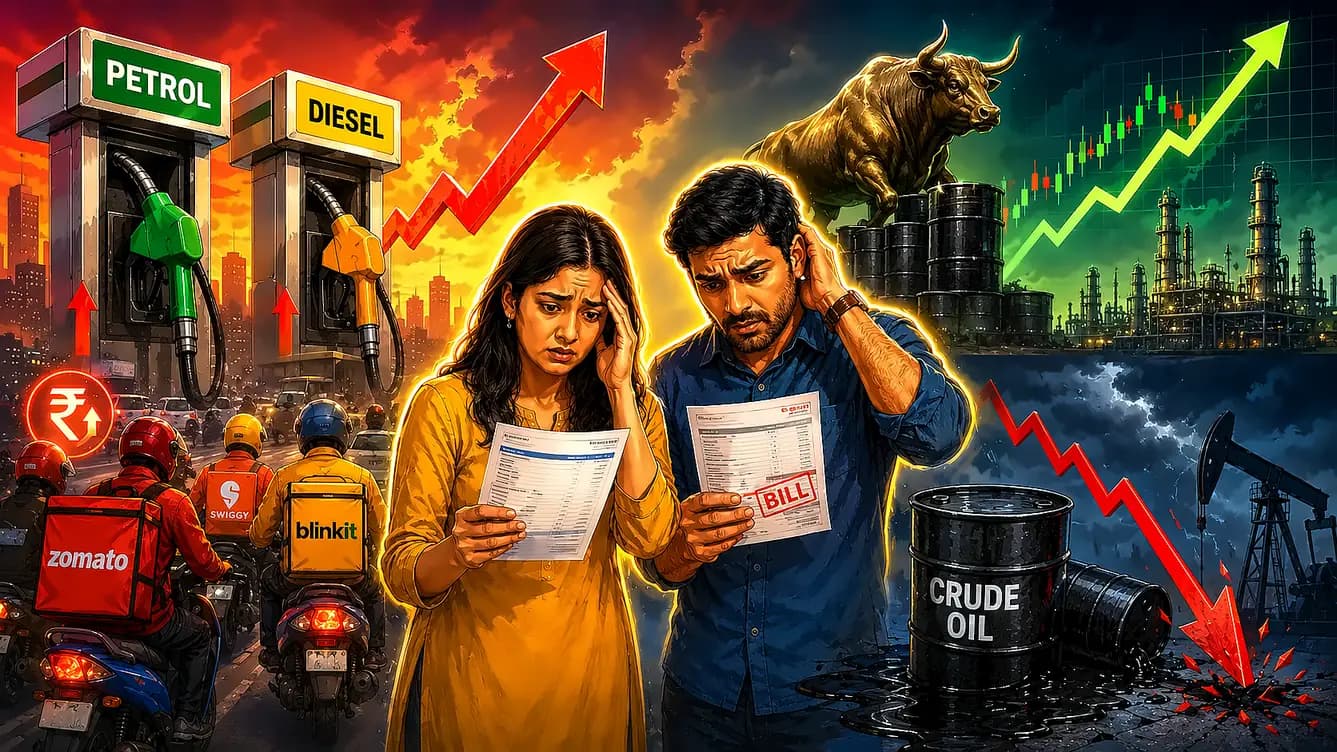
The fuel price increases are creating broader economic ripples across sectors. According to The Times of India, rising petrol and diesel prices are expected to squeeze household budgets, making everyday expenses more expensive. FMCG companies like Nestle, Hindustan Unilever, Marico and Dabur have already taken 2-5% price hikes to offset rising input costs and may consider further increases. Industry executives warn that if fuel prices remain elevated over multiple quarters, companies may eventually resort to calibrated price hikes or grammage reductions, which could weigh on consumption recovery in price-sensitive rural markets. Finance Minister Nirmala Sitharaman acknowledged that while India's domestic economic situation remains positive, the challenges are more externally driven.
The fuel price increases have positively impacted oil marketing companies' stock performance. As reported by The Times of India, IOC shares rose 4% to ₹145, HPCL surged 6% to ₹412.55, and BPCL advanced over 4.5% to ₹309 on the BSE. The movement came as crude oil prices touched a two-week low amid signs of progress in US-Iran peace talks. However, the government highlighted that any reduction in excise duty on petrol and diesel would result in a revenue impact of around ₹1 lakh crore. Earlier, oil marketing companies were facing heavy losses of up to ₹1,000 crore per day in the absence of price hikes.