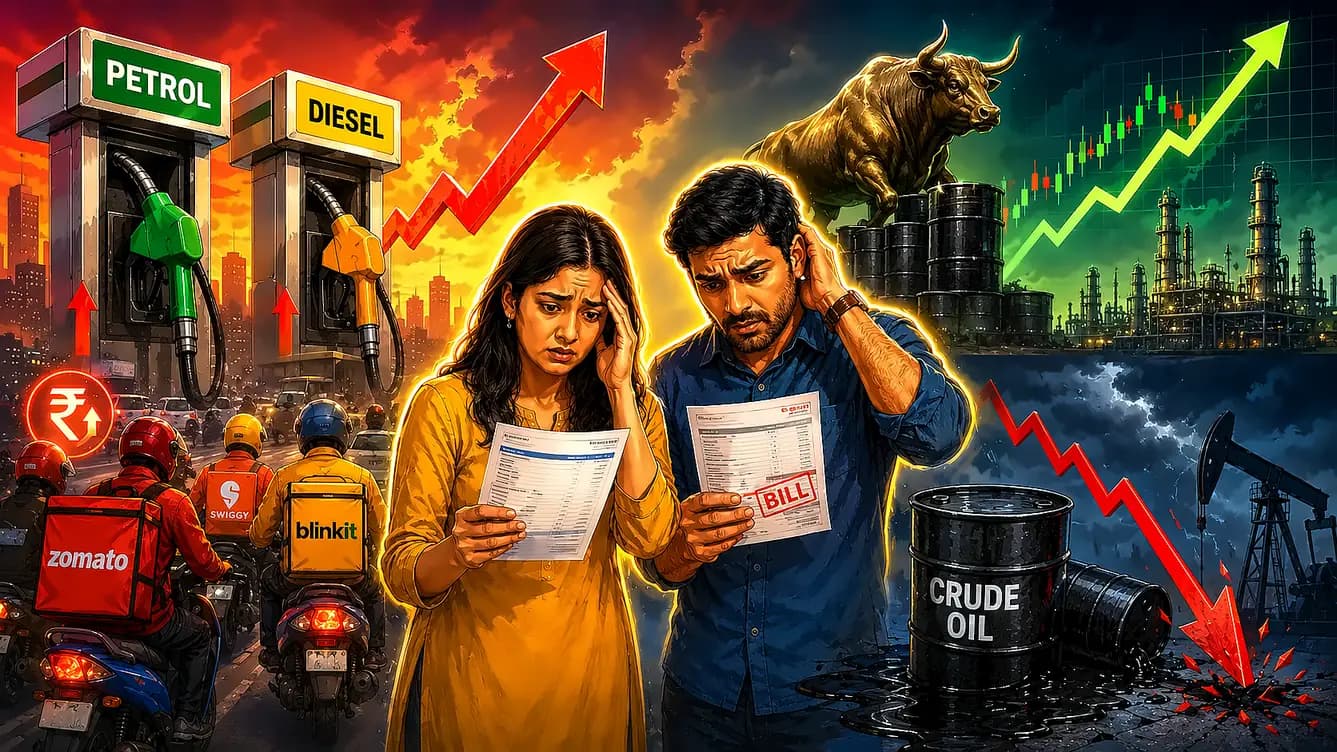
Fuel prices in India increased by approximately ₹3 per litre for petrol and diesel, effective Friday, May 15, 2026, marking the first hike in four years. According to reports from NDTV Profit, this revision brings fresh pressure on transportation costs and overall inflation. The hike reflects escalating tensions in West Asia and disruptions in the Strait of Hormuz that have pushed global oil prices higher, prompting this revision in domestic fuel pricing. The Modi government was hesitant to raise fuel prices as this increase will have a ripple effect, with prices of all other essential commodities increasing in line, putting the country at risk of inflation.
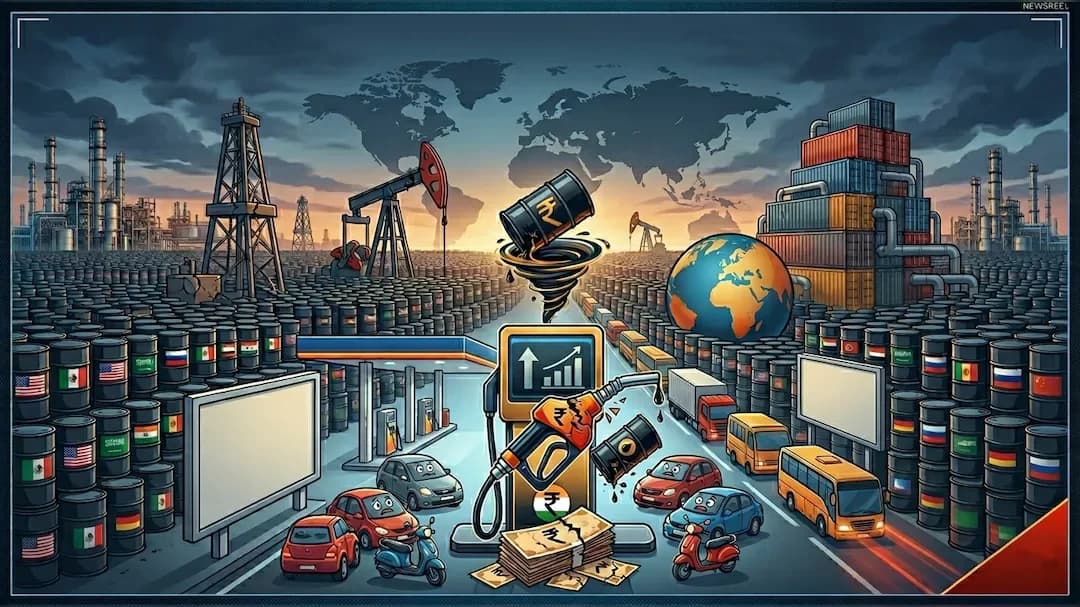
The crisis in the Strait of Hormuz, which handles about 20% of the world's oil, is unlikely to ease anytime soon as it has evolved from a conventional military standoff into a protracted economic blockade. As reported by NDTV Profit, following US-Israel airstrikes on Iran on February 28, 2026, and subsequent retaliatory closure of the strait by Tehran, the waterway has seen traffic drop dramatically, causing the largest supply disruption in history. The core sticking points between the US-led coalition and Iran remain unresolved, with the US demanding cessation of Iran's nuclear program while Iran demands total lifting of sanctions.
India faces significant economic challenges as the crisis threatens its energy security and economic stability. According to NDTV Profit, with nearly 55% of LNG and 90% of LPG transiting through the Hormuz chokepoint, a blockade directly triggers severe inflationary pressures and widens the current account deficit. India imports 85-90% of its crude oil, with half of that passing through Hormuz, meaning every $1 rise in crude oil prices adds thousands of crores to its import bill. The disruption has already caused massive long-term damage, including attacks on energy infrastructure and astronomical increases in insurance costs up to 20 times higher.
The prolonged crisis poses critical challenges for India's regional stability and diplomatic position. As reported by NDTV Profit, a prolonged shutdown threatens over nine million Indian expatriates in the Gulf, complicating foreign policy and putting immense pressure on repatriation services. India must navigate complex diplomatic ties between Iran, Israel, and the US while maintaining security of its vessels, as evidenced by disruptions in 2026. The instability also threatens key strategic projects like the Chabahar Port, hindering India's efforts to create alternative connectivity routes.
The 2026 crisis underlines the urgent need for structural energy reforms and diversification. According to NDTV Profit, a lasting solution requires accelerating the National Green Hydrogen Mission and deepening investments in renewable energy, as well as diversifying energy sourcing to reduce reliance on the Gulf region. The Draft National Electricity Policy (NEP) 2026 outlines a transformative roadmap to achieve net-zero emissions by 2047, ensuring 24x7 reliable, affordable power while tackling evolving energy landscape challenges.