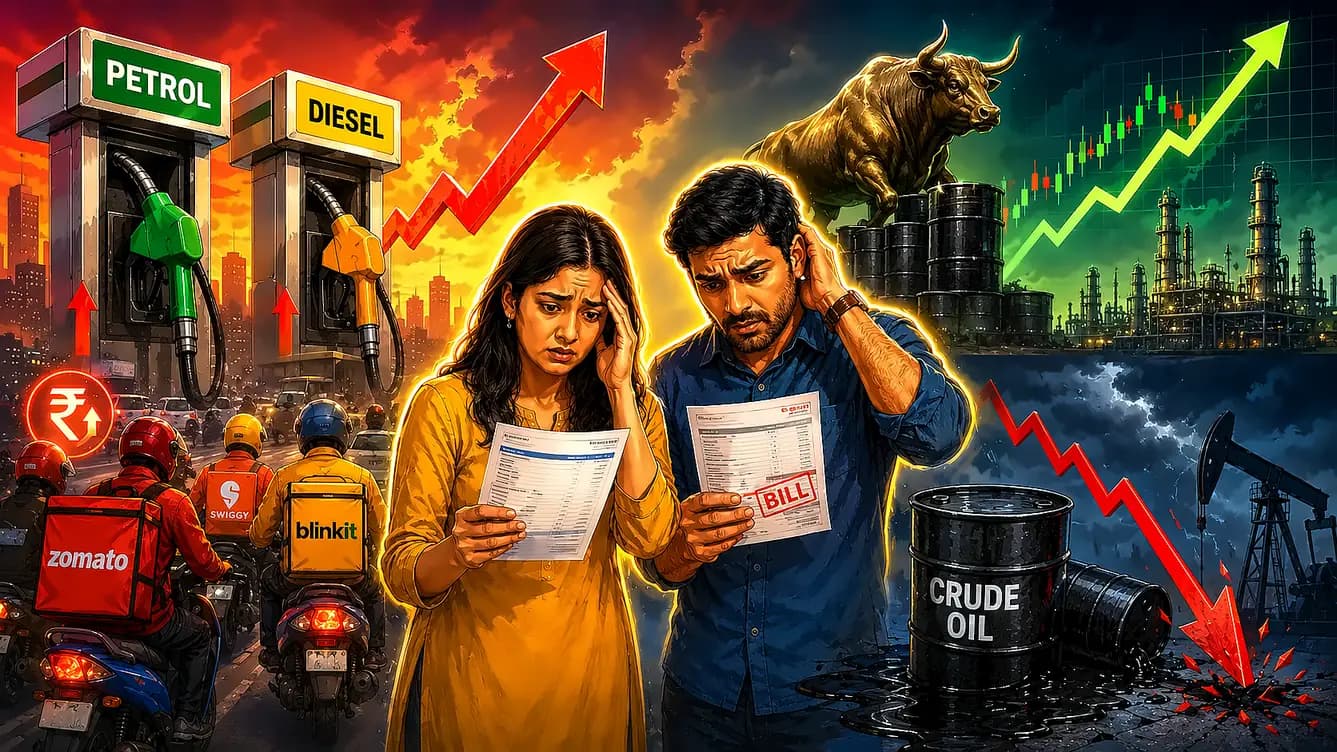
Fuel prices across major Indian cities have surged by 90 paise per litre earlier this week, with petrol prices now ranging from ₹98.64 in New Delhi to ₹111.84 in Hyderabad. According to reports from Moneycontrol, diesel prices have also increased to ₹91.58 in New Delhi and ₹96.07 in Kolkata. The latest hikes come after an extended period of frozen rates, with the stability following two price revisions in the last ten days, where the first hike was ₹3 across all major cities and the second was marginally lower. As reported by Moneycontrol, experts suggest further price increases may be necessary as oil marketing companies face significant losses due to heightened crude volatility.
Leader of the Opposition Rahul Gandhi has escalated his criticism of the government's economic policies, warning of an unprecedented "economic storm" approaching India. Speaking from his constituency in Raebareli, Gandhi directly attacked PM Modi's fiscal architecture, stating that the current economic structure "will not endure; it is destined to collapse completely." According to The Hindu, Gandhi claimed the country's elite will remain insulated while ordinary citizens absorb the impending financial shock. The political tension comes as petrol prices approach ₹100 per litre in major cities and global crude oil prices have surged over 50% since the conflict escalated in the Strait of Hormuz.
Prime Minister Narendra Modi is set to chair a crucial Council of Ministers meeting in New Delhi today, marking the first meeting of the year. According to reports from Moneycontrol, this meeting gains significance amid concerns over fuel and power supply. The speculation around potential decisions includes fuel rate hikes and possible work-from-home mandates. The timing of this meeting comes as India has already raised petrol and diesel prices twice within a week, with the latest hike of 90 paise per litre representing the most significant increase in recent days.
The fuel price increases guarantee a massive, unavoidable spike in transport, logistics, and food inflation that will disproportionately impact farmers, youth, and small business owners. As reported by The Hindu, Gandhi criticized the government's austerity messaging while PM Modi is currently on a massive, highly publicized five-nation global tour. The Congress party is positioning inflation and wealth inequality as its core platform ahead of upcoming state assembly elections, with the Finance Ministry under immense pressure to either absorb further crude oil price hikes or rapidly roll out expanded welfare subsidies to counter the opposition's narrative.
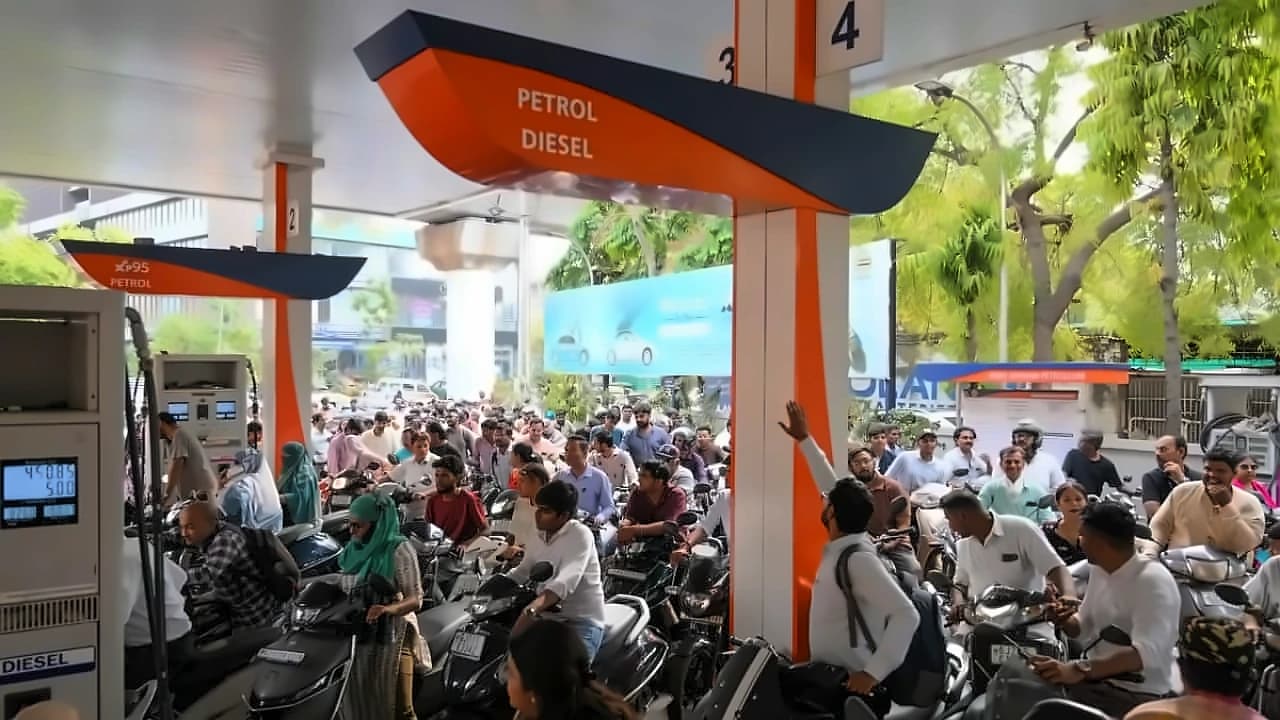
India, as the world's third-largest oil importer and consumer, faces significant economic challenges as the global energy crisis intensifies. With petrol prices nearing ₹100 per litre and crude oil surging over 50%, the domestic economy is bracing for substantial inflationary pressures. As reported by The Hindu, if the global energy crisis worsens, the deciding question will be whether Indian voters accept the government's narrative of external global wars or the opposition's argument of internal economic mismanagement. The political mobilization around inflation and wealth inequality could significantly impact upcoming state elections and market stability.