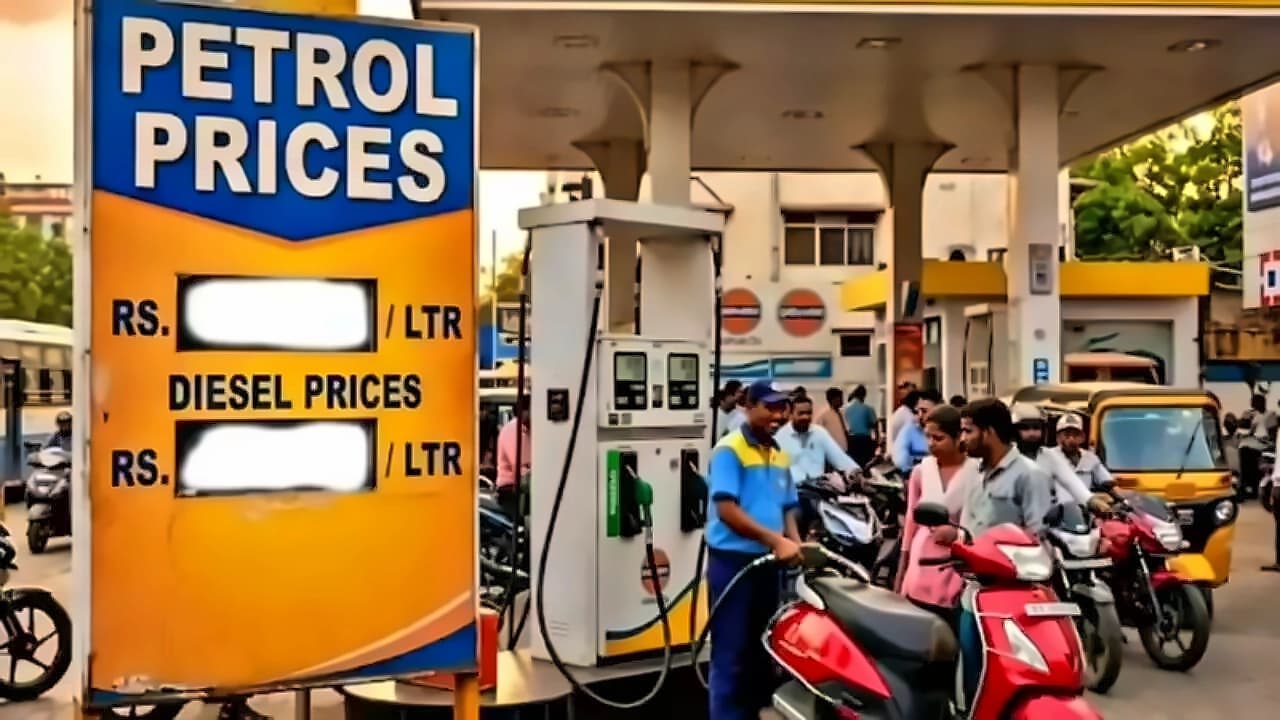
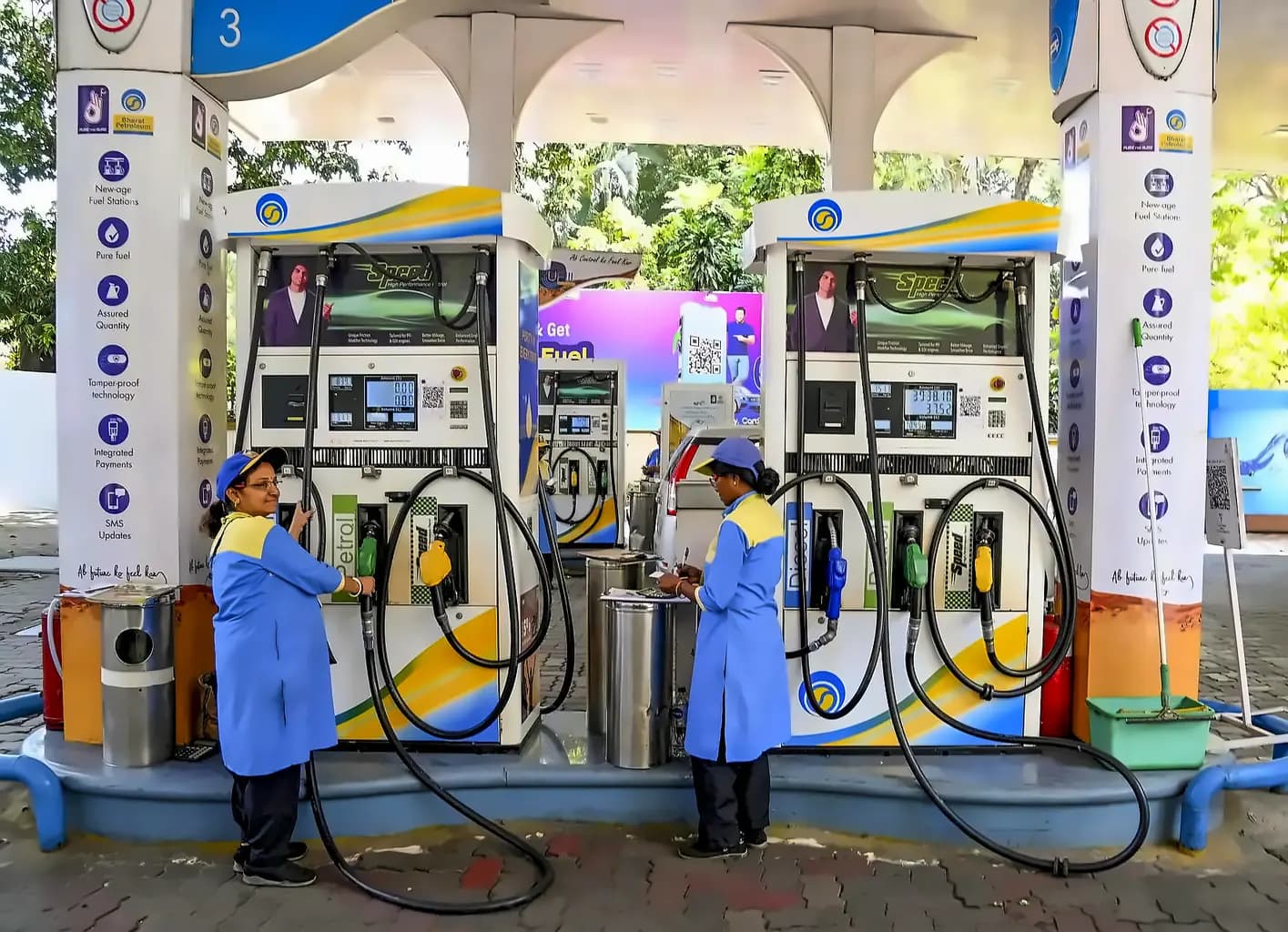
India ended its 49-month fuel price freeze on Friday with a ₹3 per litre increase on both petrol and diesel, according to reports from Zee News. This marks the first retail fuel price hike since April 2022, when the Russia-Ukraine war initially sent crude prices spiralling. The government had previously chosen to absorb the cost rather than pass it on to consumers during the election cycle. The increase, at 3.2-3.4%, might sound modest but industry sources indicate it represents only one-tenth of the correction actually needed to account for the full surge in global crude prices since the West Asia war began. As per News9, the price hike has opened what analysts describe as the beginning of a bigger price storm for common citizens.
Following the price hike, petrol now costs ₹97.77 per litre in Delhi and diesel ₹90.67, as reported by Zee News. Mumbai petrol stands at ₹106.68, Kolkata at ₹108.74, and Chennai at ₹103.67. The price increases reflect the end of the extended freeze period that had been in place since April 2022, when the Russia-Ukraine war initially disrupted global oil markets. The differences across cities are driven by state-level taxes. According to News9, CNG prices have also risen alongside petrol and diesel, with the fuel fight now fully on across groceries, transport, politics and public anger.
The price hike was triggered by a dramatic surge in crude oil costs, as reported by Zee News. India's crude import basket averaged USD 69 per barrel in February 2026, but surged to USD 113-114 per barrel through March and April - representing a jump of over 50 percent in weeks. The Strait of Hormuz, through which more than 20 percent of global oil shipments pass, faced sustained disruption during this period. The ongoing US-Iran war that began February 28, 2026, has created what analysts describe as the largest oil supply shock on record. According to The Week, analysts at Kotak Institutional Equities had estimated the required correction at ₹25-28 per litre. With global crude oil crossing $100 per barrel, the crisis continues to intensify.
The extended price freeze created severe financial strain on state-owned oil companies, as detailed in Zee News reports. By early May, IOC, BPCL, and HPCL were bleeding nearly ₹30,000 crore every month through their fuel sales operations. The combined under-recovery on petrol, diesel, and cooking gas LPG had reached ₹1,000-1,200 crore daily during the crisis period. Last month, officials from the oil ministry reportedly stated that retailers were losing ₹100 per litre on diesel and ₹20 per litre on petrol at prevailing prices, as per Reuters. The three PSU oil companies absorbed these losses for close to 11 weeks before the hike became financially unavoidable.
The fuel price hike is expected to have significant inflationary consequences across the economy. The direct impact on Consumer Price Index (CPI) inflation is estimated at around 15 basis points, but the indirect effect via transport costs, logistics, food prices and manufacturing inputs could be more pronounced. Just a day ago, official data revealed that the Wholesale Price Index (WPI) hit a 42-month high of 8.3% in April, driven by a 24.71% surge in fuel and power prices at the wholesale level. Petrol WPI inflation was 32.4% and diesel 25.19% in April. According to The Week, fuel price shocks in India have significant second-round inflationary effects through input costs in agriculture and manufacturing, with transport cost pass-through typically completing within two to three months of the initial price change. As per News9, the hike opens what analysts describe as the beginning of a bigger price storm for common citizens.