Petrol and diesel prices were increased by ₹3 per litre each on Friday after state-run oil companies faced mounting losses due to a sharp rise in global crude oil prices triggered by the ongoing West Asia conflict. According to industry sources, petrol in Delhi now costs ₹97.77 per litre, up from ₹94.77, while diesel prices have risen to ₹90.67 per litre from ₹89.67. The increase comes 16 days after assembly elections concluded in Assam, Kerala, Tamil Nadu and West Bengal, with fuel prices having remained unchanged throughout the polling period despite a steep rise in international crude oil prices. As reported by PTI, this marks the first fuel price hike in more than four years, with fuel prices having remained unchanged since April 2022, with the exception of a one-off reduction by ₹2 per litre each on petrol and diesel in March 2024, just before Lok Sabha elections.
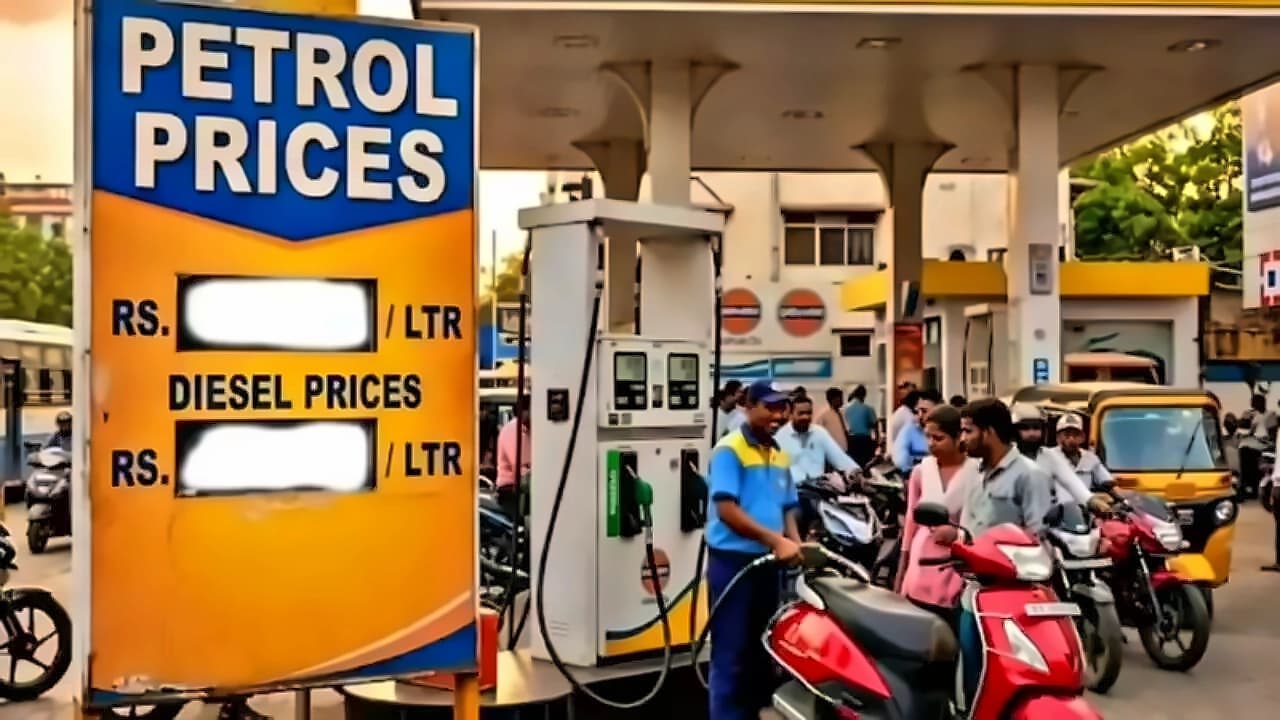
Fuel prices have reached new highs across major cities, with petrol breaching ₹110 in Hyderabad and ₹106 in Mumbai. In Kolkata, petrol prices crossed ₹108, reaching ₹108.74 per litre, while diesel climbed to ₹95.13. Chennai now has petrol at ₹103.67 per litre and diesel at ₹95.25 per litre. As reported by industry sources, these variations reflect the different tax structures across states, with rates varying due to differences in value-added tax. Although fuel prices are officially deregulated, revisions are often influenced by political considerations, as seen during the recent election period when rates remained frozen despite mounting losses.
The latest fuel price hike comes amid a sharp rise in global crude oil prices following the conflict involving Iran, the US and Israel. According to reports, crude oil prices, which were around USD 70-72 per barrel before the conflict, surged past USD 120 per barrel during the peak of tensions. Energy prices globally shot up after the US-Israel attack on Iran on February 28, and the subsequent retaliation by Tehran effectively shut down the Strait of Hormuz – the sea lane through which a fifth of the world's oil and gas transits. More recently, prices have eased but remained elevated around the USD 104-110 per barrel range. India's crude oil import basket averaged $69 per barrel in February 2026, before the war, but averaged $113-114 per barrel in the weeks that followed—a surge of around 50%. Although prices have eased slightly, they continue to remain elevated at around USD 104-110 per barrel, significantly increasing fuel import costs for India.
The fuel price hike is expected to significantly impact India's inflation landscape, with Ambit Capital projecting that a ₹6.5 per litre hike would push headline CPI inflation to 4.5% in FY27, while a worst-case full pass-through of ₹25 per litre would trigger a surge of around 100 basis points. India's retail inflation based on Consumer Price Index stood at 3.48% in April 2026, up from 3.40% in March, with every ₹1 per litre rise in petrol and diesel prices estimated to add nearly 4-6 basis points to headline CPI inflation over time. Wholesale price inflation (WPI) surged to 8.3%, a 42-month high, driven by a sharp rise in fuel and energy prices amid elevated global crude oil rates. Petrol and diesel do not have standalone categories in the CPI basket but are captured under the broader 'transport and communication' component and 'fuel and power' category, with fuel weights in the updated CPI series having nearly doubled, with petrol and diesel accounting for 4.8% of the CPI basket compared to just 2.3% earlier.
Despite the latest price hike, state-run oil companies continue to face significant under-recoveries, with Emkay Global pegging under-recoveries at ₹17-18 per litre at current crude levels, even after the government's excise duty cuts of ₹10 per litre were effected on March 27. A ₹10 per litre hike would cover only 50% of under-recoveries, while analysts estimate a ₹15-20 per litre increase is needed for OMCs to stop incurring losses altogether. Oil Minister Hardeep Singh Puri stated that state-run oil companies were collectively losing nearly ₹1,000 crore per day due to rising crude prices, with cumulative losses estimated at nearly ₹1 lakh crore. The oil companies were losing ₹14 per litre on petrol, ₹42 per litre on diesel and ₹674 per litre on cooking gas LPG before Friday's decision. The government faces a dilemma in managing expanding subsidy commitments on LPG and fertilisers, which constrain fiscal space available to absorb further OMC under-recoveries through direct budget transfers. Industry sources described the ₹3 hike as "calibrated enough to partially ease margin pressure on oil companies without creating major inflationary shock," suggesting this may be the first in a series of corrections depending on global energy market movements.