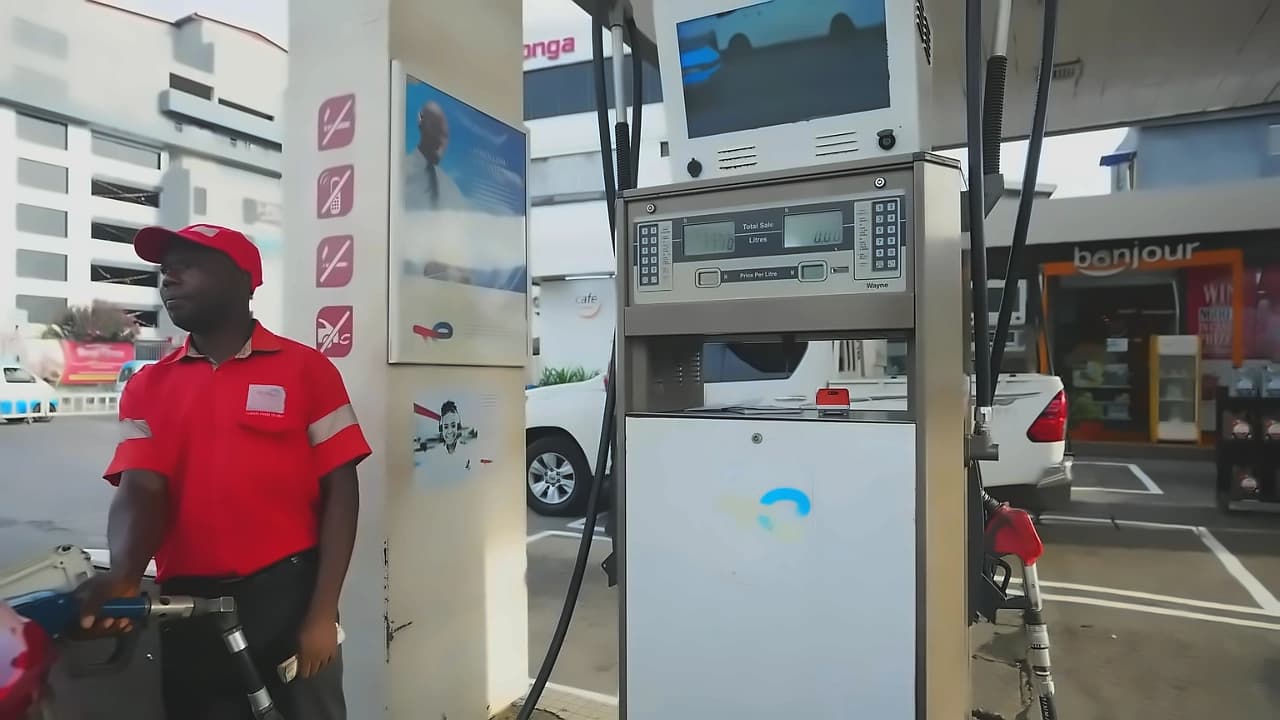
The government-backed oil marketing companies have increased petrol and diesel prices by around ₹3 per litre after keeping rates largely unchanged since April 2022. According to reports from CNBC TV18, this marks the first major fuel price increase after a long gap, ending a period during which retail fuel prices remained stable despite sharp volatility in global crude oil markets. Following the price hike, petrol in Delhi is now being sold at ₹97.77 per litre, while diesel prices have moved up to ₹99.67 per litre. In Mumbai, petrol prices have increased to ₹106.68 per litre, while diesel prices stand at ₹93.14 per litre. Kolkata continues to see higher fuel rates, with petrol priced at ₹108.74 per litre. CNG prices have also climbed by ₹2 per kg in both Delhi and Mumbai, as reported by CNBC TV18.
The sudden fuel price hike comes as India faces mounting pressure from the West Asia conflict on day 77, with the war starting on February 28 when the United States and Israel launched strikes on Iran. As reported by WION, the conflict has severely pressured the Strait of Hormuz, one of the world's most critical oil transit chokepoints, driving global crude prices from around $70 per barrel before the crisis to above $110. For India, which depends on imported crude for nearly 87% of its total crude oil needs, this means a sharp increase in the import burden. The escalating geopolitical tensions have created unprecedented supply chain risks that forced state-owned Oil Marketing Companies (OMCs)—IOCL, BPCL, and HPCL—to take action after months of absorbing losses.
According to government estimates reported by The Financial Express, public sector oil marketing companies had been facing heavy losses because of rising global crude oil prices and unchanged retail fuel prices in India. The government estimated that these companies were losing around ₹20 per litre on petrol sales and nearly ₹100 per litre on diesel. Earlier this year, the Finance Ministry had also reduced excise duty on petrol and diesel by ₹10 per litre in an attempt to reduce the burden on consumers and avoid a sharp retail fuel price increase. As per CNBC TV18, state-owned oil marketing companies, IOCL, BPCL, & HPCL, have absorbed rising crude oil costs driven by the Middle East crisis without passing them on to consumers. However, as international prices climbed and supply routes tightened, those losses reportedly ballooned into massive under-recoveries, with companies facing mounting pressure to stop carrying the full burden.
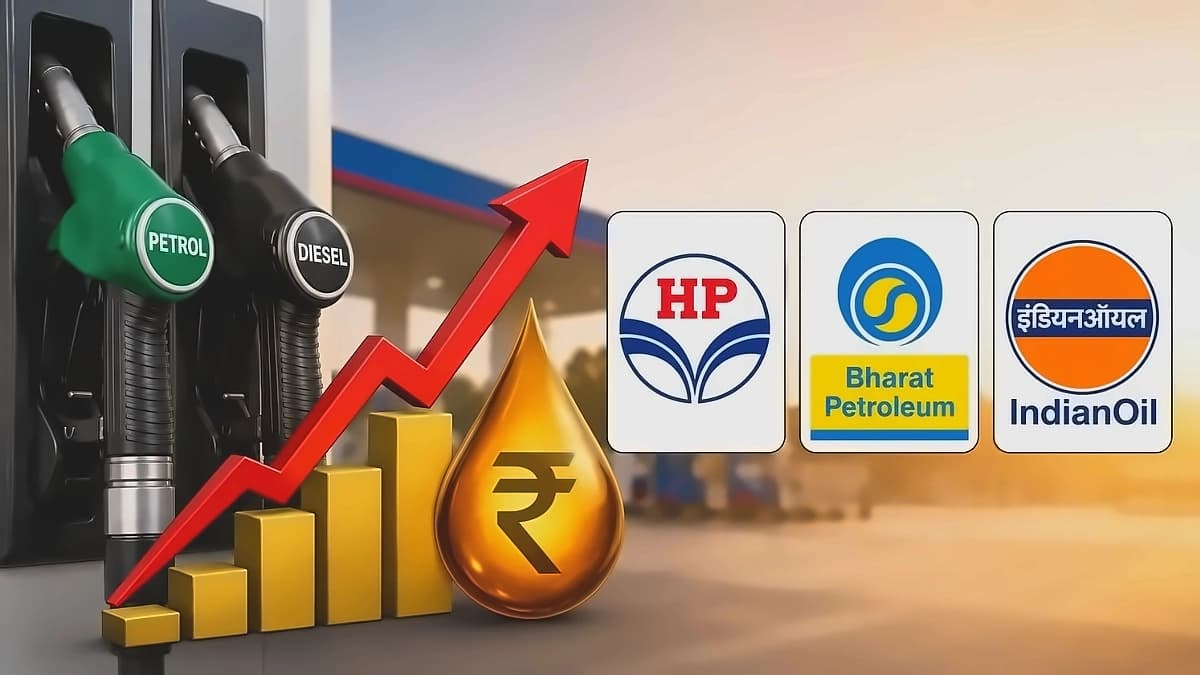
The fuel price adjustment reflects a broader diplomatic and strategic push to strengthen India's energy resilience, as reported by SYNDICATE CAPiTAL™. Prime Minister Narendra Modi's recent visit to Abu Dhabi highlighted deeper cooperation on strategic petroleum reserves, long-term supply agreements and maritime infrastructure — signalling a shift from transactional energy procurement towards long-term risk management and supply-chain security. India's recent outreach to the UAE and other regional capitals has focused not only on securing energy cargoes, but also on strengthening resilience through strategic reserves, port infrastructure, maritime cooperation and storage capacity investments. This strategic approach aims to reduce immediate supply risks while introducing higher insurance costs and infrastructure spending commitments.