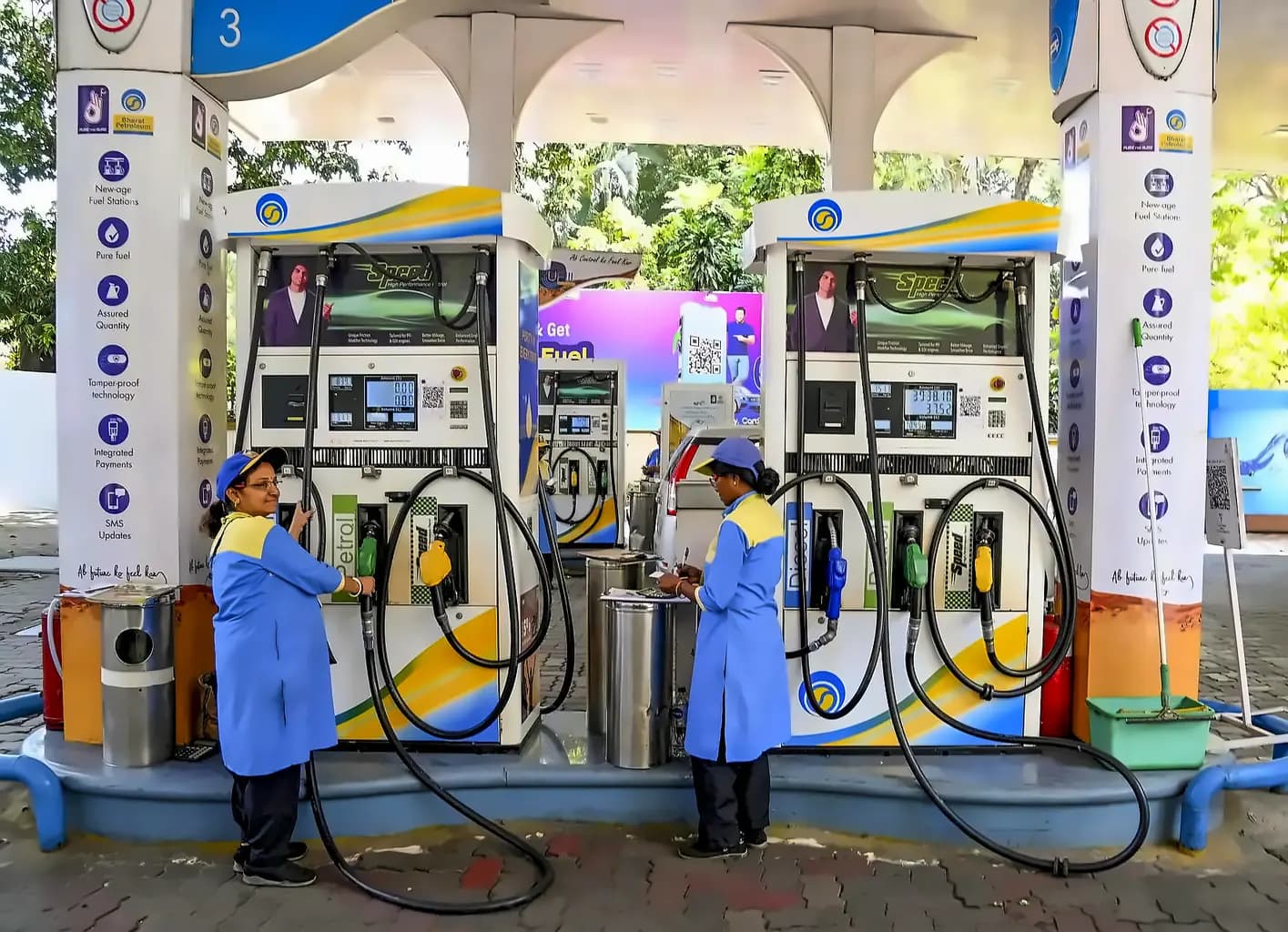
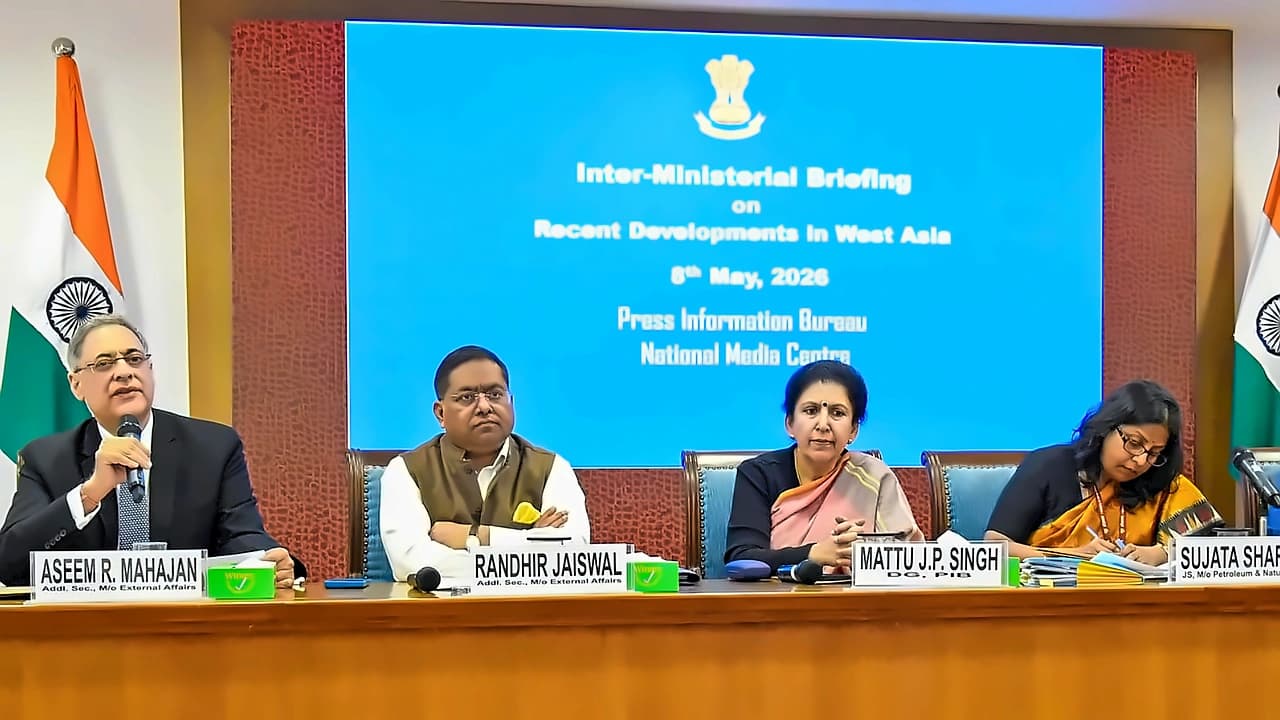
India has maintained unchanged petrol and diesel prices for nearly four years despite input costs rising by over 50% during this period. According to reports from The Times of India, Union petroleum minister Hardeep Singh Puri highlighted that India has not seen any increase in fuel prices unlike other countries that have faced severe supply problems or price hikes of 50-60%. The government has repeatedly assured citizens that there is no fuel shortage or rationing plan despite global energy market disruptions caused by geopolitical tensions and shipping challenges. Prime Minister Narendra Modi has now urged Indians to reduce petrol and diesel use, work from home where possible and avoid overseas travel, arguing that conserving foreign exchange is now a national priority as the Gulf crisis drags on.
At the CII Annual Business Summit, oil secretary Neeraj Mittal emphasized that India has managed the past 67 days of disruptions through diversified sourcing, additional cargoes and strong refining capacity. As reported by The Times of India, Mittal stated there is no need to panic as there are sufficient supplies with no rationing in place. India holds crude oil and LNG reserves for 69 days and LPG stocks for 45 days, providing adequate buffer against global supply disruptions. However, the situation has become more challenging as foreign-exchange reserves have already fallen 5% since the war began, to about US$690 billion, according to latest reports.
The sustained price freeze has created significant financial stress for oil marketing companies. According to reports from The Times of India, Puri warned that state-run fuel retailers could incur losses of up to ₹1 lakh crore in a single quarter if elevated crude prices continue while retail fuel rates remain unchanged. He stated that oil companies are losing ₹1,000 crore a day, with cumulative under-recoveries rising to nearly ₹1.98 lakh crore. The Centre has already cut excise duty sharply, reducing petrol excise duty to ₹3 per litre from ₹13 and diesel excise duty to zero from ₹10 per litre, costing the government around ₹14,000 crore every month in lost revenue. With oil prices jumping to $104.21 per barrel following recent developments, the financial pressure on oil companies has intensified significantly.
India's state-owned oil companies are currently facing severe financial pressure with Indian Oil (IOC), Bharat Petroleum (BPCL) and Hindustan Petroleum (HPCL) collectively losing between ₹1,000 and ₹1,700 crore every day on the sale of petrol, diesel and domestic LPG. As per latest reports, oil companies are currently incurring a loss of ₹14 per litre on petrol, ₹42 per litre on diesel, and ₹674 per cylinder on domestic cooking gas (LPG). Analysts say the pressure on OMC finances is unlikely to ease unless global crude prices fall significantly or the government allows a retail price revision. Despite mounting losses, petrol and diesel prices remained unchanged on Wednesday, with Oil Marketing Companies (OMCs) revising prices every day at around 6 AM, aligning them with prevailing global crude oil prices and currency exchange rates.