Petrol and diesel prices have increased by ₹3 per litre, with petrol now costing ₹97.77 per litre in New Delhi (up from ₹97.45-₹97.5 per litre) and diesel reaching ₹90.67 per litre (up from ₹95.7 per litre). This fuel price hike represents the first major fuel revision in nearly four years, as reported by industry sources. The price increases came as India moved to offset losses from higher global oil prices, with the country importing about 90% of its oil and being hit hard by rising energy prices and supply disruptions linked to the closure of the Strait of Hormuz. According to industry analysis, 65% of freight in India moves by road, with nearly all of it running on diesel, making the price hike a significant cost of living issue rather than just a transportation expense.
Cab aggregators like Ola and Uber are likely to revise base fares or introduce fuel surcharges within weeks, as reported by industry sources. A significant portion of these services operate on CNG-powered vehicles, making the ₹2 per kg increase particularly impactful for drivers operating on tight daily margins. Cab drivers are expressing serious concerns about the financial impact, with Manoj Kumar, a 48-year-old taxi driver in New Delhi, stating that "for common people like us, even one rupee has great value. People work so hard from morning till evening just to make ends meet. The government is not seeing this." After paying commission and fuel charges, drivers report that "very little money remains with us at the end of the day." For regular commuters taking two rides daily, even a ₹10-15 increase per trip could raise monthly travel expenses by nearly ₹600-900. Industry experts believe cab platforms may increase fares or add fuel charges if prices remain high for a longer period. Citizens across the country have shared mixed reactions on social media, with some expressing concern over increasing household and travel expenses while others said people would have to "bear it" and cooperate with the government during difficult times.
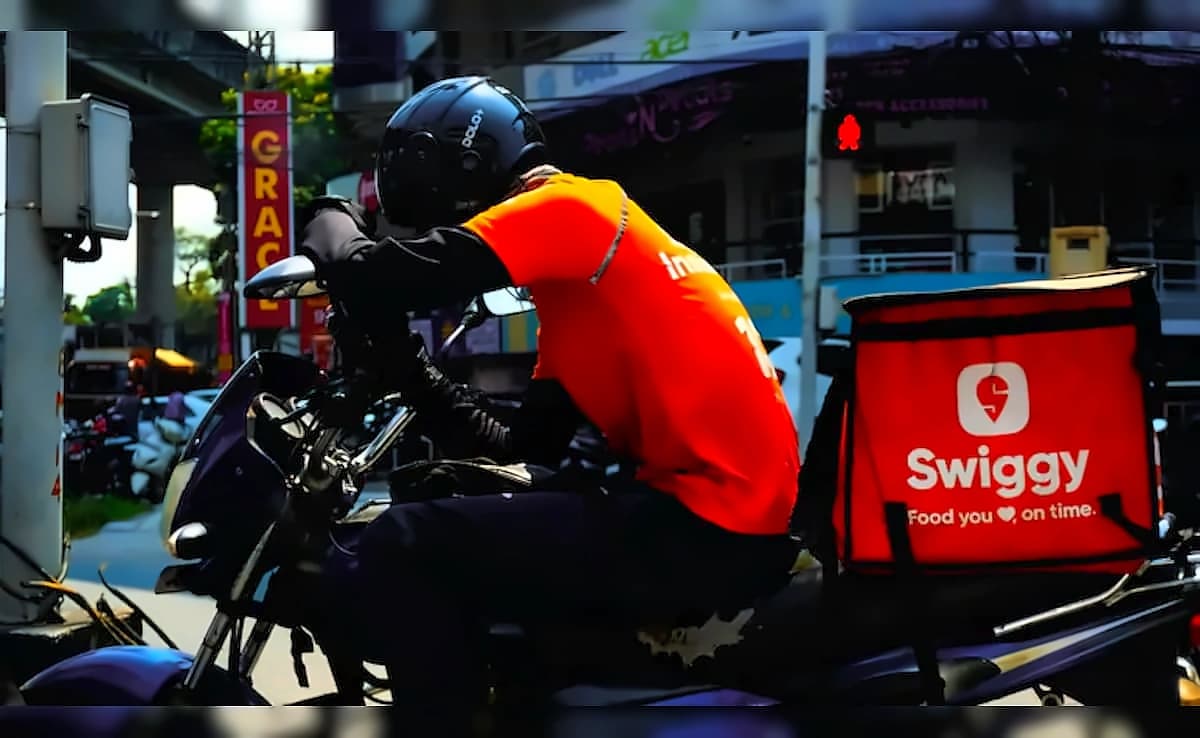
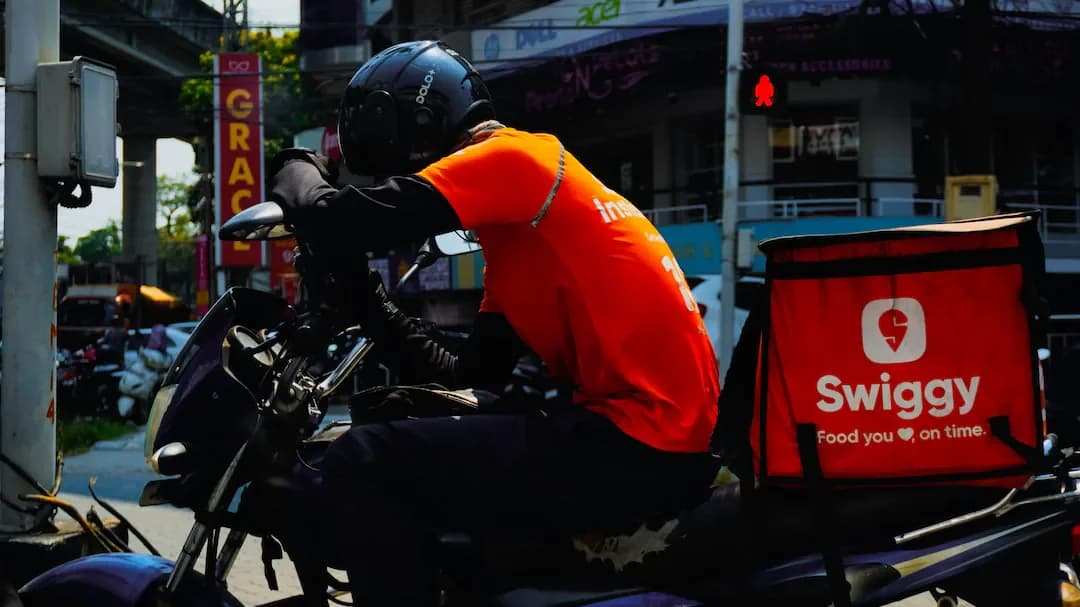
Food delivery platforms Zomato, Swiggy, and Blinkit face increased operational costs as every delivery is made by riders using petrol or CNG two-wheelers. According to industry analysis, platforms have two primary responses: raising delivery fees or increasing minimum order values required for free delivery. Blinkit and Zepto, which compete on fast delivery, depend on dense networks of riders doing multiple trips, making any increase in per-trip fuel cost particularly challenging for their business models. Quick-commerce companies may also increase delivery fees or raise the minimum order amount needed for free delivery benefits. Delivery workers are expressing particular concern, stating they are "forced to spend more on fuel while incentives remain unchanged."
Vegetable and fruit prices are rising quickly due to diesel-dependent overnight transport systems. Perishable items like tomatoes, onions, potatoes, leafy vegetables, and fruits are experiencing the fastest price revisions as transporters revise freight rates almost immediately after fuel hikes. The supply chain impact is immediate, with mandis passing costs to wholesalers, who then pass them to retailers. Dairies often absorb hikes briefly, but prices of milk, curd, paneer, butter and cheese are being revised. Many commercial kitchens use CNG, with CNG up by ₹2 per kg, leading to direct cooking cost increases. Eating out, ordering in, or grabbing food from a dhaba may slowly get more expensive as a result.
The fuel price hike comes at a time when India is already experiencing elevated retail inflation, with crude oil above $100 per barrel driven by the near-closure of the Strait of Hormuz. According to industry analysis, households spending ₹5,000-6,000 monthly on cabs, deliveries, and eating out could see an additional ₹300-500 in monthly expenses due to incremental increases across all categories. The Indian rupee has fallen to record lows in recent weeks as higher oil prices increased pressure on imports and foreign exchange reserves. Prime Minister Narendra Modi has urged Indians to adopt voluntary austerity measures, calling on people to work from home where possible, limit foreign travel and reduce purchases of gold. Delhi has become the first state to roll out austerity measures, with authorities announcing fuel-saving measures including mandatory work-from-home days for government employees and encouraging private companies to adopt similar measures voluntarily.