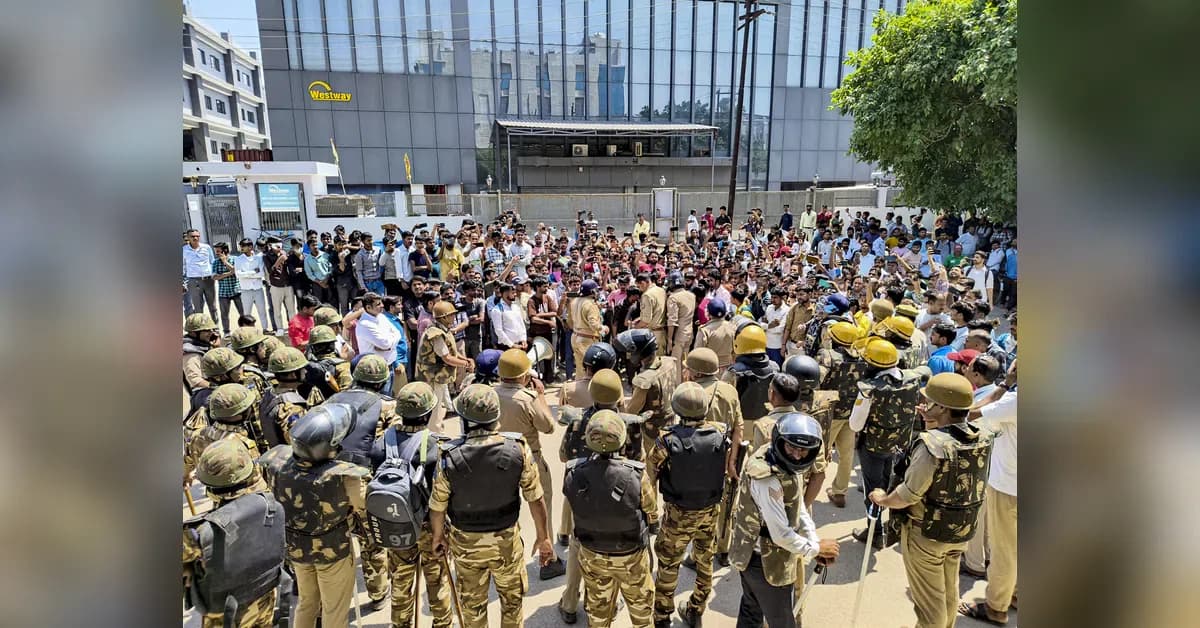
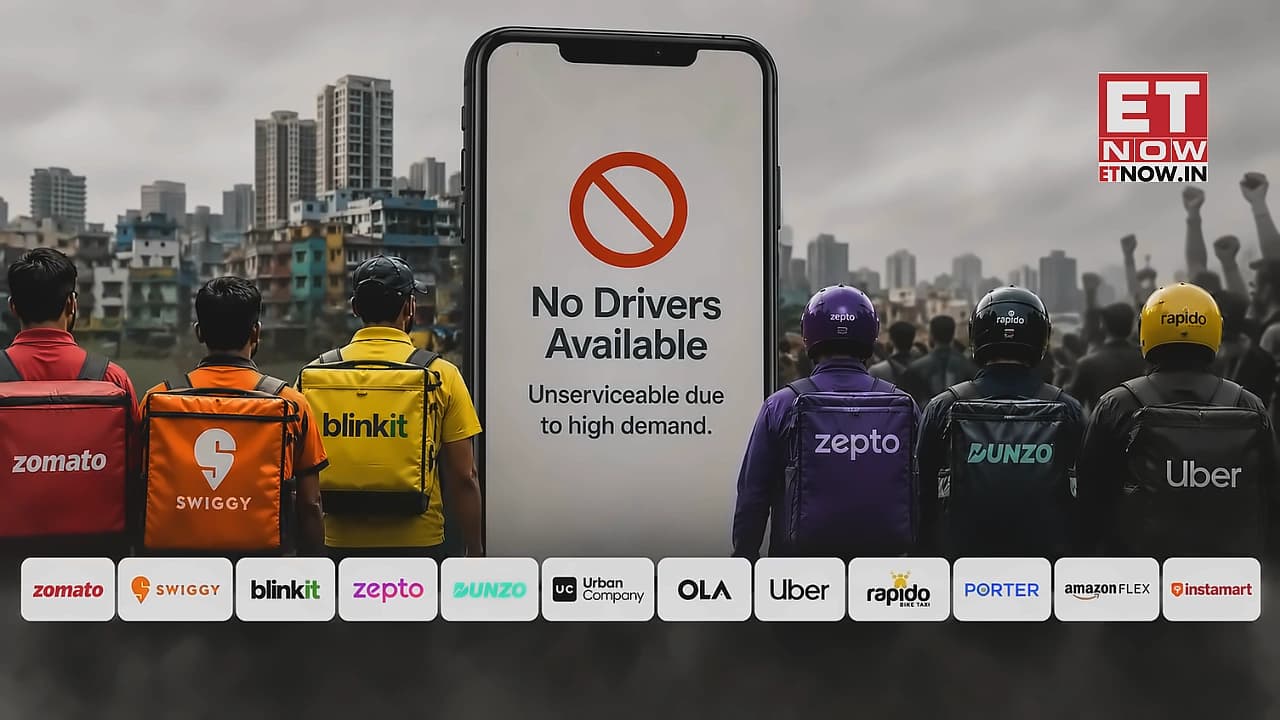
The Gig & Platform Service Workers Union (GIPSWU) has successfully implemented its five-hour nationwide shutdown of app-based transport and delivery services today (May 16). According to reports from NDTV, drivers and delivery partners have been urged to stay offline between 12 p.m. and 5 p.m. as the union pushes for improved payouts and relief from surging fuel prices. The strike has gained significant traction on social media platforms, with workers posting updates and showing solidarity through various channels. As reported by The Stock Market Live, services linked to food delivery and quick commerce platforms may face disruptions as bikers halt work in a show of solidarity, with the union describing this as a non-violent demonstration aimed at highlighting the livelihood crisis confronting gig workers.
The government's decision to hike petrol and diesel prices by ₹3 per litre has sparked significant concern among app-based drivers and delivery personnel. As reported by NDTV, this marks the first major increase in fuel prices in about four years, following a surge in international crude oil prices amid heightened instability in the Middle East, particularly tensions involving Iran and fears over shipping disruptions through the vital Strait of Hormuz. The union warns that the move is expected to affect around 1.2 crore gig workers and may lead to a large-scale exodus from the industry, with the steep fuel price hike set to directly hit India's 12 million-strong gig workforce amid rising inflation that is already squeezing profit margins. According to The Stock Market Live, workers are highlighting that the ₹3 increase translates to maximum ₹6 per day for those using around 2 litres of fuel, making the impact particularly significant for delivery riders. However, the broader transportation sector is also feeling the pressure, with the All India Transporters Welfare Association (AITWA) indicating that freight charges may rise by 2.5-3% across India, potentially making daily-use goods costlier.
According to the union's statement reported by NDTV, GIPSWU demands an increase in per-kilometre service rates from the government and digital gig platforms following the hike in petrol, diesel and LPG gas prices. Union President Seema Singh argued that delivery partners working with major platforms such as Swiggy, Zomato and Blinkit could no longer absorb the additional burden and urged authorities to mandate a minimum payment of ₹20 per kilometre. The union has submitted memorandums to the government and major digital platforms demanding urgent measures such as higher delivery charges and fuel reimbursements, with the union backing the strike by calling on workers to observe the temporary shutdown of app-based services. Meanwhile, the transportation industry is showing mixed responses to the fuel price increases. While AITWA National President Ashok Goyal stated that a freight hike has become "unavoidable" under current circumstances due to rising operational costs including diesel, tyres, toll taxes, lubricants, and Diesel Exhaust Fluid (DEF)/urea used in BS-6 vehicles, transporters in Bhopal are taking a different stance. According to Dinesh Chandwani, President of the Bhopal Transport Welfare Association, local transporters want to support the government amid the prevailing international situation and ongoing challenges, with discussions currently underway in Delhi with representatives from four metropolitan cities to explore ways to avoid a freight fare hike despite mounting cost pressures.
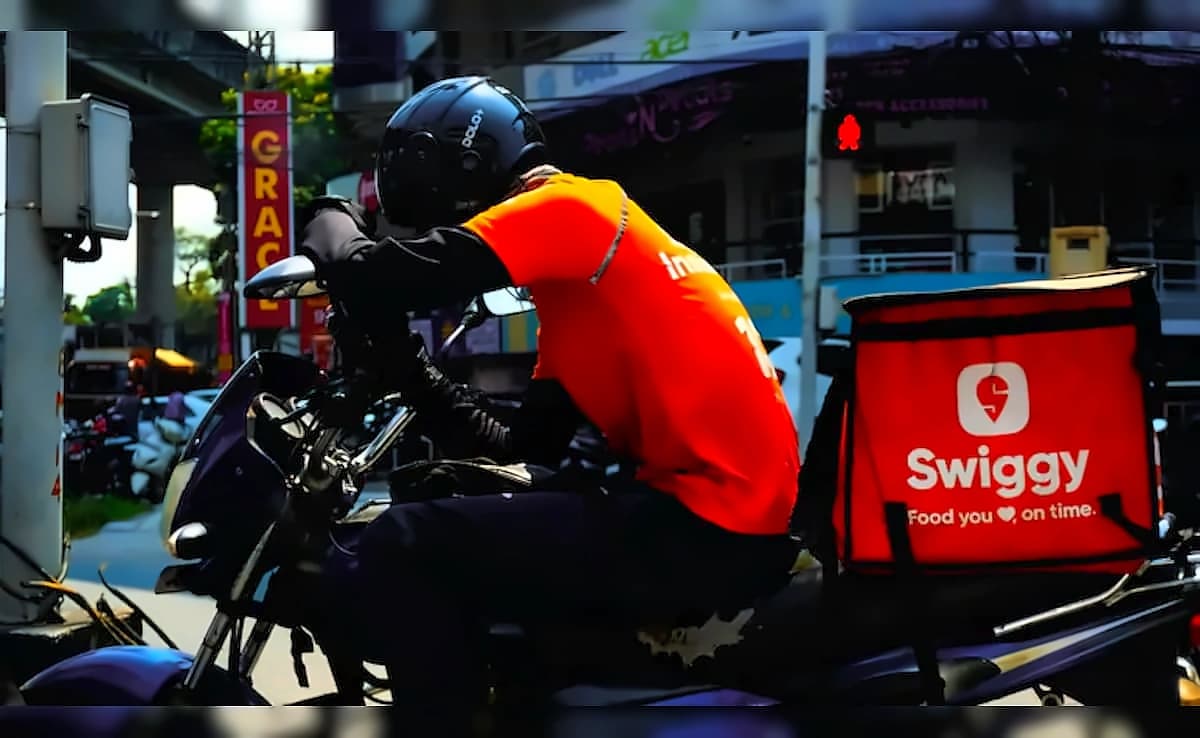
As reported by NDTV, National Coordinator Nirmal Gorana highlighted that nearly 1.2 crore workers, many of whom rely on motorcycles and scooters to earn a living, were struggling as fuel and maintenance expenses climbed sharply without a matching increase in compensation from companies. Women delivery workers and drivers face particularly difficult conditions, routinely working long shifts in heavy traffic and intense heat. Union President Singh warned that the sector could witness a significant decline in workforce due to the absence of relief measures, with the union arguing that skyrocketing fuel costs have severely eroded earnings despite grueling work shifts, particularly affecting those using battery-operated bikes for delivery services. If implemented, the proposed 2.5-3% freight charge increase could affect prices of vegetables, FMCG products, cement, online deliveries, and several other essential commodities as higher freight expenses are often passed on to consumers. According to Bhaskar, the final decision on freight rates is expected after ongoing consultations between transporters from four metropolitan cities, even as rising fuel prices continue to put pressure on the logistics sector.