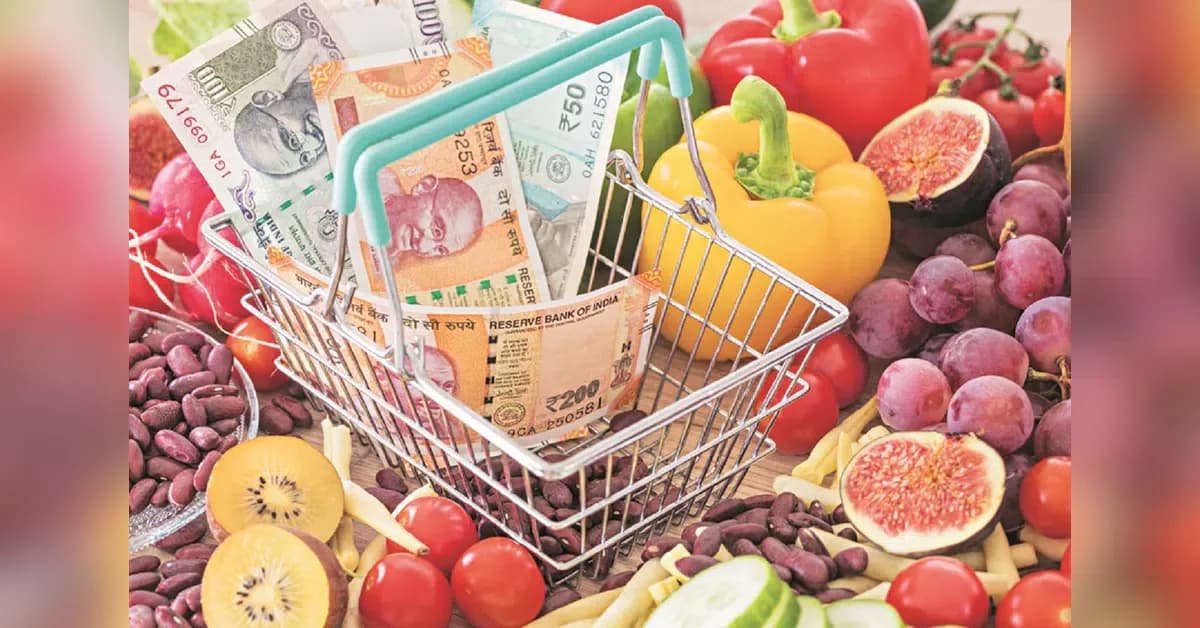
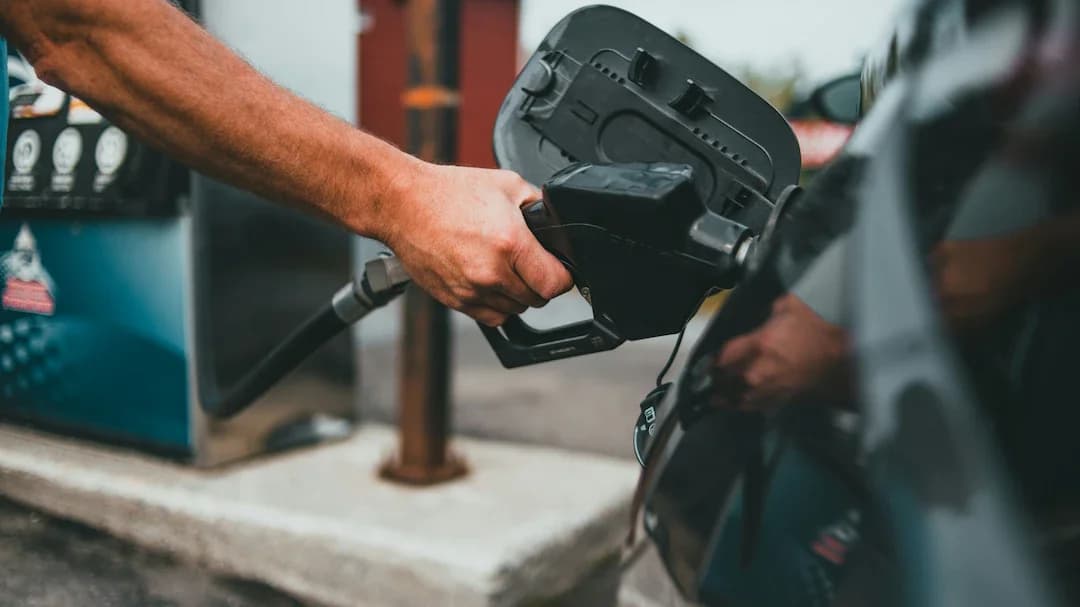
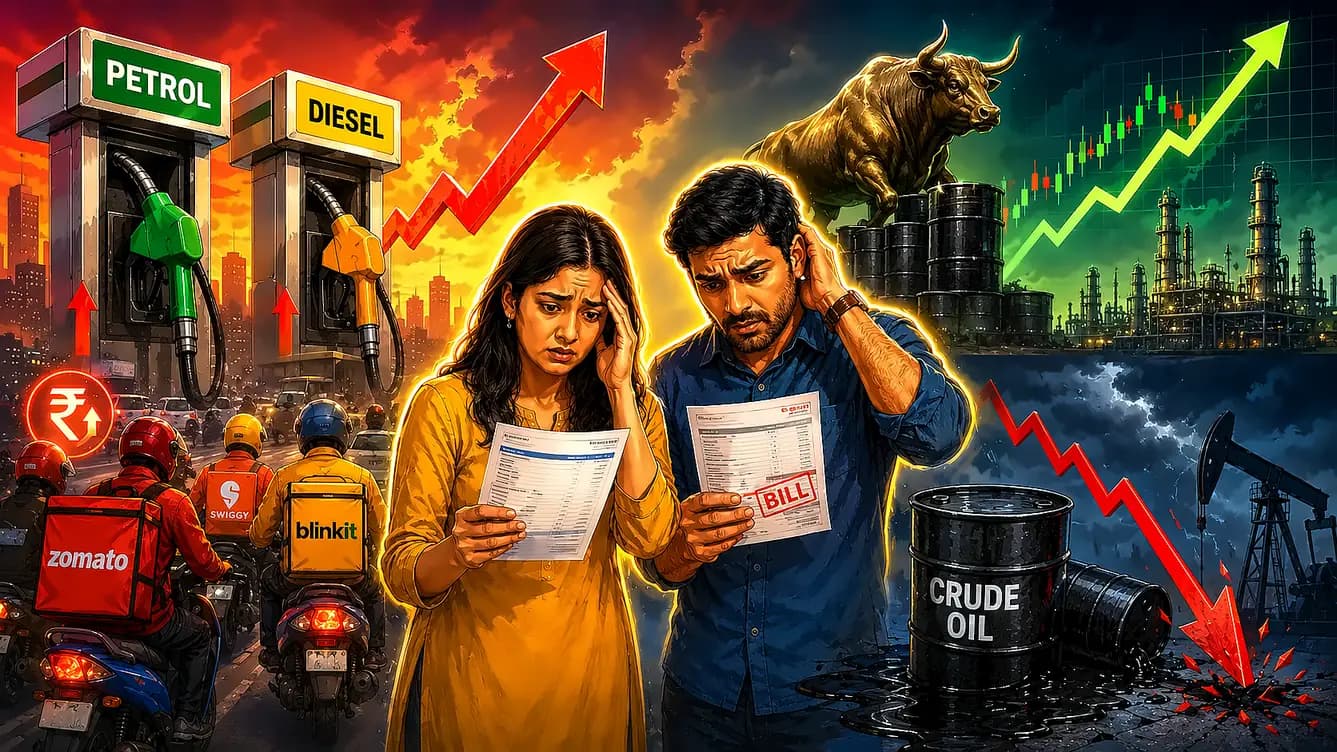
Industry executives warn that a prolonged increase in fuel prices could raise operating costs and push up prices for transport, delivery and online goods by 10 per cent–20 per cent. According to reports from Business Standard, the immediate impact will be felt by bike-taxi and delivery partners, whose vehicles largely run on petrol. If fuel prices remain elevated, fares could rise by 10 per cent–20 per cent, with at least part of the increase likely to be passed on to customers. Latest data shows oil marketing companies raised petrol and diesel prices by ₹3 per litre as a surge in global crude oil prices was hurting their margins, with diesel prices in New Delhi rising to ₹90.67 per litre. The ₹3-a-litre increase may not immediately make tomatoes costlier overnight, but over time, repeated transport expenses start adding pressure across the supply chain, with vegetables, fruits, milk, curd, paneer, grains, edible oils, and packaged foods may see gradual price pressure if transportation costs remain high.
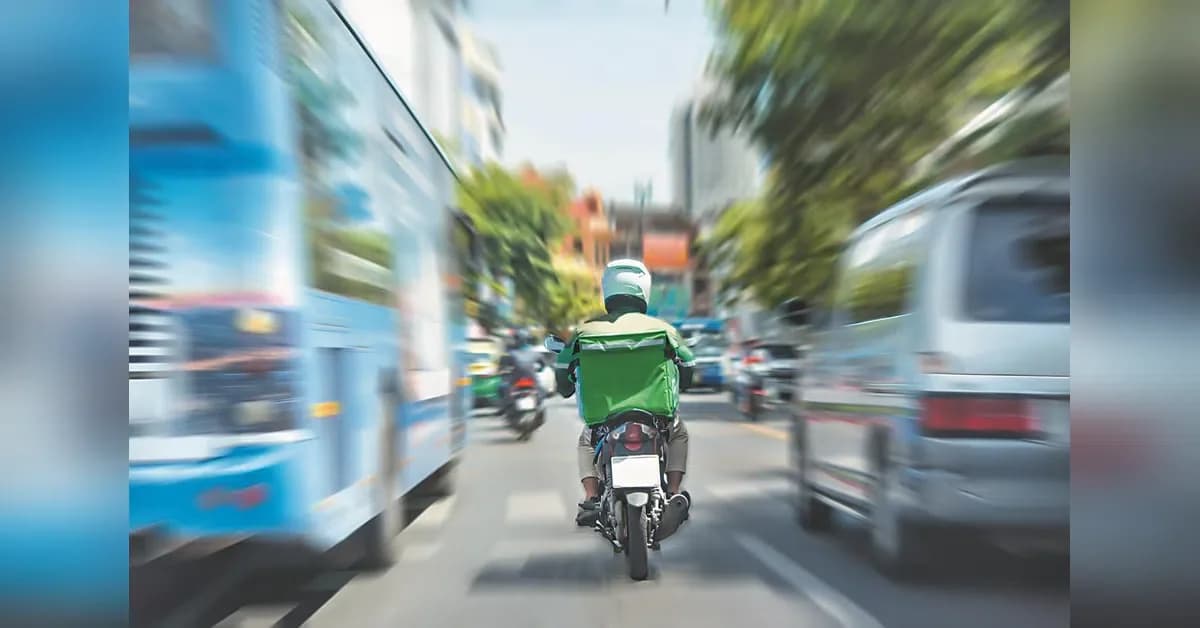
The immediate pressure is likely to be felt in categories such as cooked food, groceries and packaged food, where higher fuel costs directly affect sourcing and delivery economics. As reported by Business Standard, executives and analysts said e-commerce platforms may remain relatively insulated in the near term for non-perishable and non-food products because inventories are already stocked. However, if elevated crude prices persist through August, sellers could begin raising product prices by 6 per cent–7 per cent. Perishable goods are particularly vulnerable because they require faster movement and, in many cases, refrigerated vehicles or cold storage systems that consume additional fuel. This is why fuel price hikes are often felt first in kitchen budgets, with tomatoes, onions, leafy vegetables, and fruits transported across states could become slightly costlier. Milk distribution expenses may increase for dairies, while packaged grocery brands could face higher logistics costs. The impact extends to aviation fuel prices, with global crude oil tensions around West Asia increasing pressure on jet fuel prices, potentially making flights more expensive if fuel costs remain elevated globally.
Rising tensions in West Asia involving Iran, Israel and the US have raised concerns about shipping through the Strait of Hormuz, a critical energy chokepoint through which roughly one-third of India's crude imports and most of its LPG supplies transit. Restaurants and eateries in cities including Bengaluru, Mumbai and Kolkata have reported LPG shortages, panic buying and price spikes. Gig workers and delivery partners using LPG or CNG vehicles have also faced long queues for refuelling and fewer trips, according to media reports. Agriculture experts note that higher diesel prices would ripple across the supply chain, increasing the cost of transporting seeds, fertilisers and pesticides from factories to rural markets. The impact extends to aviation fuel prices, with global crude oil tensions around West Asia increasing pressure on jet fuel prices, potentially making flights more expensive if fuel costs remain elevated globally.
Delivery platforms like Blinkit, Zepto, Swiggy Instamart and Zomato rely heavily on fuel-driven logistics networks — from warehouse movement to last-mile delivery riders. When petrol prices rise, companies sometimes respond by adding platform or handling charges, expanding surge pricing during peak hours, or raising minimum order thresholds. For many urban users already dealing with "rain fee," "surge fee," and "platform fee," another fuel-linked increase could quietly make convenience more expensive. Drivers working with Ola and Uber spend a significant portion of their earnings on fuel, with a sustained increase in petrol and diesel prices often leading to demands for fare revisions or higher surge pricing. Auto-rickshaw unions and private bus operators in several cities may also seek fare hikes if fuel prices remain elevated for a longer period, potentially increasing school transport expenses for daily commuters. The real impact is usually gradual and psychological — a little extra on groceries, slightly higher cab fares, increased delivery charges, and more expensive travel plans, affecting household budgets more deeply than people initially expect.
Praveen Khandelwal, member of Parliament and secretary general of the Confederation of All India Traders (CAIT), which represents 90 million traders and small businesses, said the ₹3-a-litre increase in petrol and diesel prices should be viewed in the context of rising global crude prices and ongoing geopolitical tensions affecting energy markets. As reported by Business Standard, Khandelwal described the hike as necessary to ensure uninterrupted fuel supplies and maintain economic stability, noting that temporary price adjustments were necessary to protect the country's long-term energy security. Agriculture experts emphasize that any sustained increase in diesel costs eventually gets transmitted into higher food prices, freight rates and manufacturing costs, putting upward pressure on overall retail inflation. The Centre's decision to implement the ₹3 per litre hike reflects the need to balance immediate fuel supply requirements with long-term economic stability, though the ripple effects across various sectors will require continued monitoring.