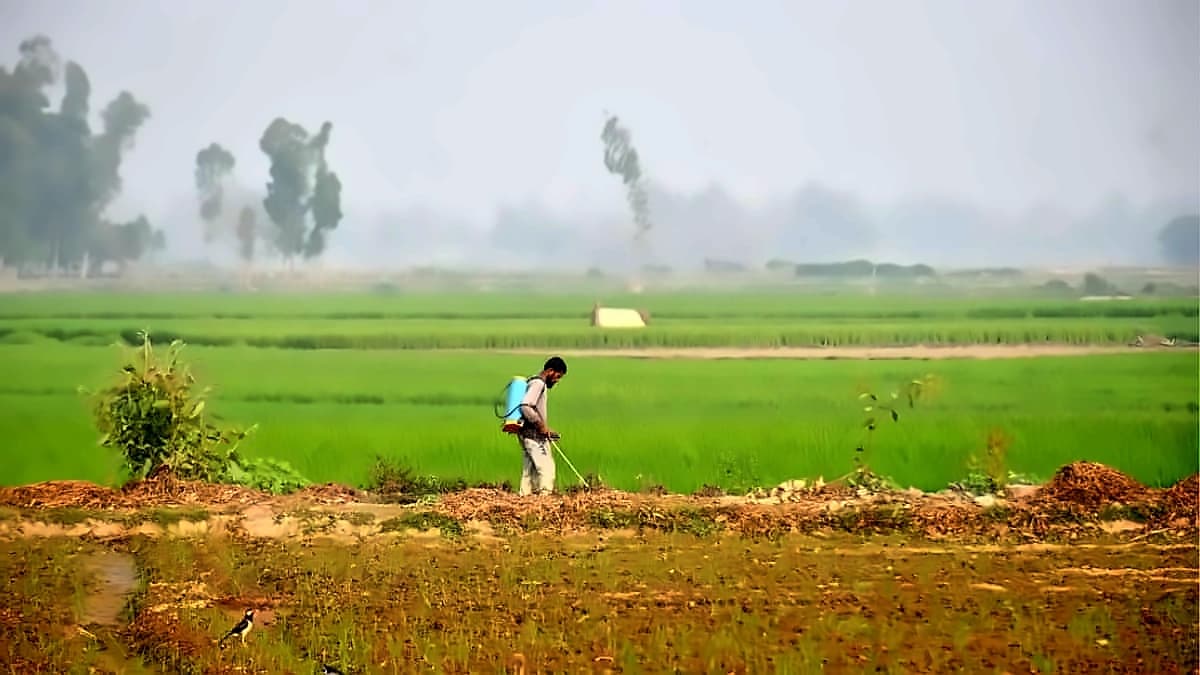
The Food and Agriculture Organization (FAO) has issued urgent warnings about the global fertilizer crisis, with Chief Economist Máximo Torero declaring 'The clock is ticking' as the situation could prove more dangerous than the 2022 crisis. The organization is calling for rapid intervention from international financial institutions to support countries at risk of fertilizer shortages, especially as planting seasons are already underway in many regions. FAO has mapped countries' fertilizer needs based on crop calendars and required volumes, warning that if fertilizer supply remains constrained and prices stay elevated, farmers may reduce usage, leading to lower crop yields and another wave of food inflation next year. The organization urges governments not to restrict fertilizer and energy exports, as such moves could deepen market tensions and trigger a broader food crisis.
Global fertilizer markets are experiencing severe strain following geopolitical disruptions that are raising concerns over farm economics, crop output and food price stability. According to RaboResearch, the research arm of Rabobank, the sector ended the first quarter of 2026 with tight availability, sharply higher prices and elevated volatility across key nutrients. Escalating tensions in West Asia and the effective closure of the Strait of Hormuz have removed substantial volumes of fertilizers and critical inputs from global trade, triggering a supply shock that cannot be quickly replaced. As reported by UNCTAD, nearly one-third of global maritime fertilizer trade passes through the Strait of Hormuz, making it a key chokepoint in the current disruption.
Fertilizer affordability has deteriorated sharply, with nitrogen and phosphate prices rising much faster than agri-commodities, compressing farm margins. As reported by RaboResearch, their fertilizer affordability index has moved decisively into negative territory and is expected to remain constrained throughout 2026. Bruno Fonseca, Senior Analyst – Farm Inputs with RaboResearch, warned this could lead to demand destruction as farmers cut application rates, delay purchases or shift crop choices. The crisis is particularly acute for American farmers, with dry urea prices surging from $560 per ton in January-February to $770 per ton by end of March, representing an increase of nearly $40 per acre for wheat and corn fertilization. According to FAO's David Laborde, the organization is 'in an input crisis'. The latest Farm Bureau Survey confirms that fertilizer pre-purchasing was limited due to affordability concerns, with the American Farm Bureau Federation (AFBF) asking US President Trump to ensure fertilizer delivery to the US market for the spring planting season.

Despite FAO's warnings, major suppliers have already moved to protect domestic markets, highlighting growing tension between national priorities and global market stability. Russia, which controls up to 40% of global ammonium nitrate trade, suspended exports of the fertilizer for one month starting March 21 to secure local supply during the spring planting season. China has also tightened restrictions on urea exports since October 2025, extending measures initially described as temporary through August 2026. These actions come as the war in Iran continues to disrupt global energy and fertilizer markets, with oil prices surging and concerns mounting over supplies of nitrogen and phosphate-based fertilizers. The US government is also 'looking at every potential avenue' to offset the impact of increased domestic fertilizer prices on farmers, according to Secretary of Agriculture Brooke Rollins, as US corn planted acreage is down 3% from 2025 according to the US Department of Agriculture.
The timing of the fertilizer crisis is particularly problematic as it coincides with potential climate challenges that could further stress agricultural production. FAO warns that the current situation could prove more dangerous than the 2022 crisis, especially if it coincides with a strong El Niño event later this year. Such a climate pattern, which warms Pacific Ocean waters and drives hotter, drier conditions in tropical regions, could develop further stress to agricultural production. Despite these pressures, global agricultural supply remains comfortable in the near term, with most fertilizer inputs for the Northern Hemisphere's 2026 crop secured before the conflict, though concerns exist about the 2026 wheat crop due to dry conditions in Canada, the US and parts of Argentina. The US domestic ammonia values may remain elevated through the spring season because of global strain from the US-Israel-Iran conflict, with war boosting US inland ammonia prices despite domestic supply.
Looking ahead, sustained high fertilizer costs could reduce application rates from 2027, potentially weighing on yields. According to RaboResearch, even if geopolitical tensions ease, normalisation is expected to be slow, with elevated prices likely to persist into 2027. Despite strong supply fundamentals, higher fertilizer costs could reduce application rates, which may weigh on yields and keep agricultural commodity price rallies in check. Industry analysts warn that prices could remain above 2025 averages due to lost volumes and higher financing and insurance costs, with any breakdown in talks quickly tightening urea, ammonia and sulfur supply and leading to more spikes. The FAO's urgent appeal for governments to avoid restricting fertilizer exports reflects the growing recognition that maintaining global food security requires coordinated international action.