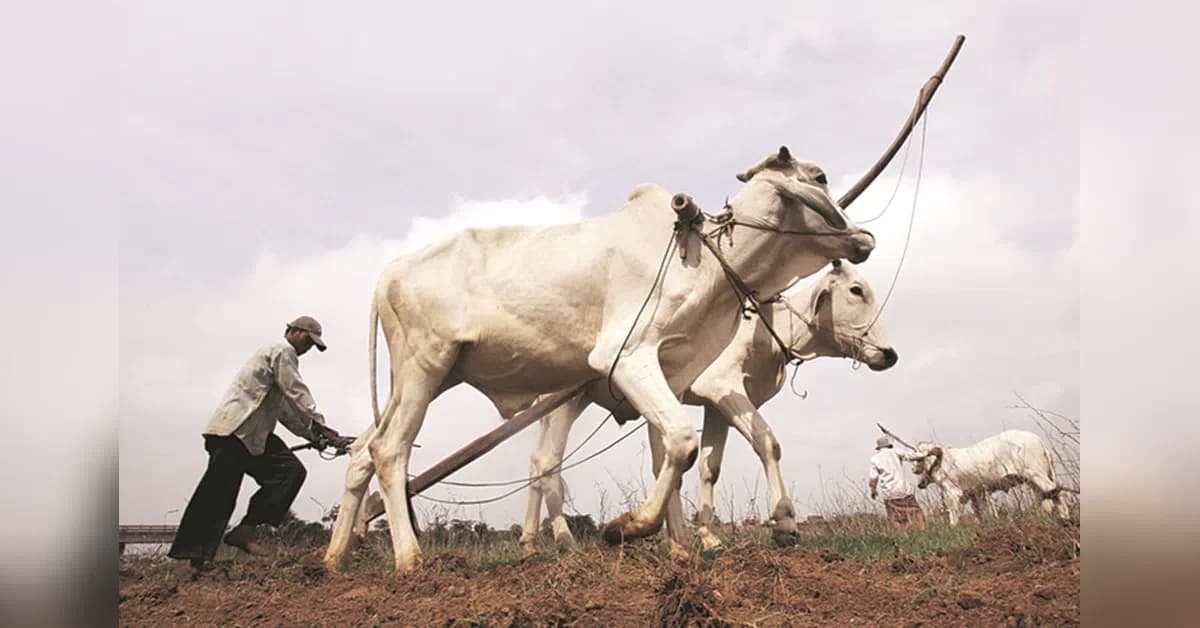
According to reports from Investing.com India, rapidly warming ocean waters are almost ensuring an El Niño condition by July, with analysts labeling it a 'Godzilla El Niño' due to its strength. This periodic warming of ocean surface waters in the central and eastern Pacific Ocean disrupts normal weather patterns globally, causing droughts in some regions and excessive rainfall in others. The expected episode could have significant impact on farming and fishing, ultimately affecting food supplies and prices if it persists through year-end. As reported by Investing.com India, stronger El Niño conditions are expected to deliver major supply shocks to agriculture, fisheries, and food supply chains, with drought conditions for growers in Indonesia, India, and parts of Australia and severe dryness threatening maize and rice crops in Central America, the Caribbean, and Colombia.

Three leading Christian organizations — the World Council of Churches (WCC), Caritas Internationalis, and World Vision International (WVI) — have warned that hunger amid abundance is a moral failure. In their joint open letter, the faith-based groups assert that today, hunger is not caused by a lack of food as the world continues to produce more than enough to feed every child, woman and man. The organizations identified this as a profound 'global food systems shock' created by geopolitical turmoil and climate disruption, with 266 million people across 47 countries facing acute food insecurity in 2025. They emphasized that children, displaced families, and pregnant and breastfeeding women face the greatest risks from worsening hunger and malnutrition, with these disruptions already placing growing pressure on humanitarian and nutrition responses worldwide.
According to Investing.com India, the broader concern involves the convergence of El Niño with soaring fertilizer prices. Analysts estimate that three to four million tons of fertilizer supply have been cut since the Strait of Hormuz closure, with a six-to-twelve-month lag in El Niño's production impact aligning with this supply disruption. As reported by Commodity Report via Substack, the El Niño yield hit arrives in 2027 while the fertilizer input shortage affects the 2026 growing season that El Niño is already stressing. The organizations noted that disruptions to energy supplies, fertilizer markets, shipping routes and humanitarian access are sending shockwaves through global food systems, making food, fuel and essential goods more expensive and less accessible for vulnerable families around the world.
As reported by Investing.com India, breadth deteriorated last week despite the S&P 500 gaining nearly 1%. Half of the sectors underperformed the index by 3.50% or more, with financial stocks being one of the few exceptions that outperformed despite the Fed's hawkish tone. The communications sector is now getting extremely oversold, with Meta stock accounting for nearly 15% of the sector contributing to its poor performance. These market challenges occur alongside the broader global food crisis, with the faith-based organizations calling for robust investments to safeguard child nutrition programs, treat stunting and wasting, maintain critical social safety nets such as school meals, and strengthen resilient food systems.