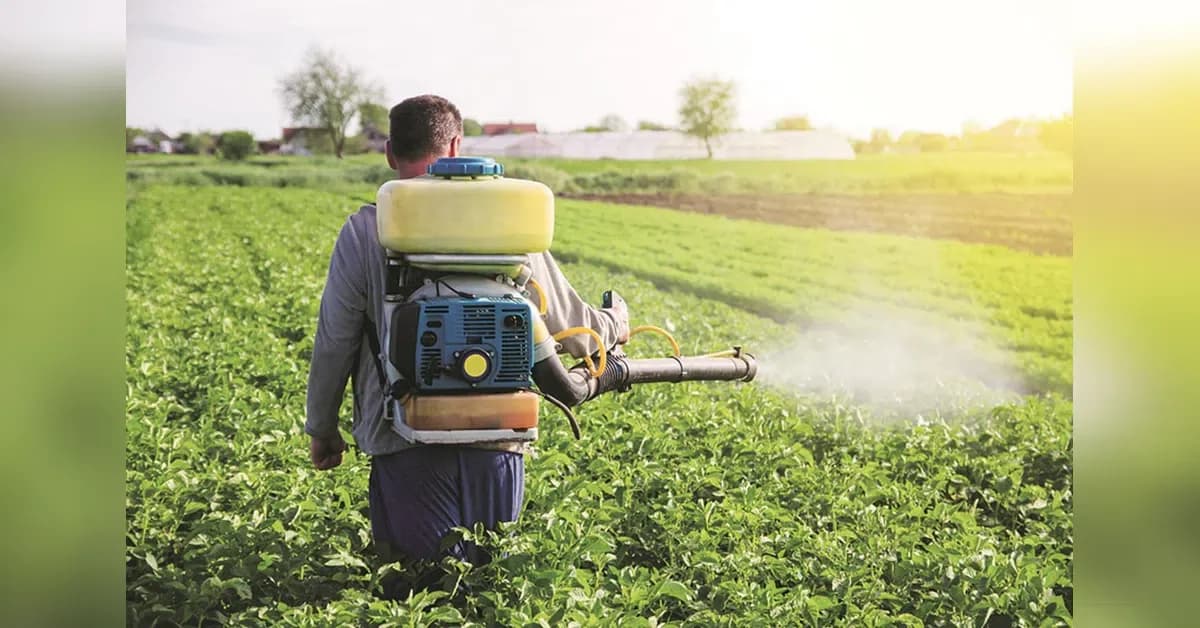
According to latest sales data for August 1-21, urea consumption reached 30.6 lakh tonnes while DAP consumption was 6.8 lakh tonnes, MOP at 1.2 lakh tonnes, and complex fertilizers at 8.5 lakh tonnes. This consumption pattern reflects farmers' heavy preference for urea, with 80% of estimated monthly demand being urea purchases compared to 70% for DAP, 56% for complex fertilizers, and 38% for MOP. The government had estimated total August demand at 38.01 lakh tonnes of urea, 9.81 lakh tonnes of DAP, 3.27 lakh tonnes of MOP, and 15.27 lakh tonnes of complex fertilizers.
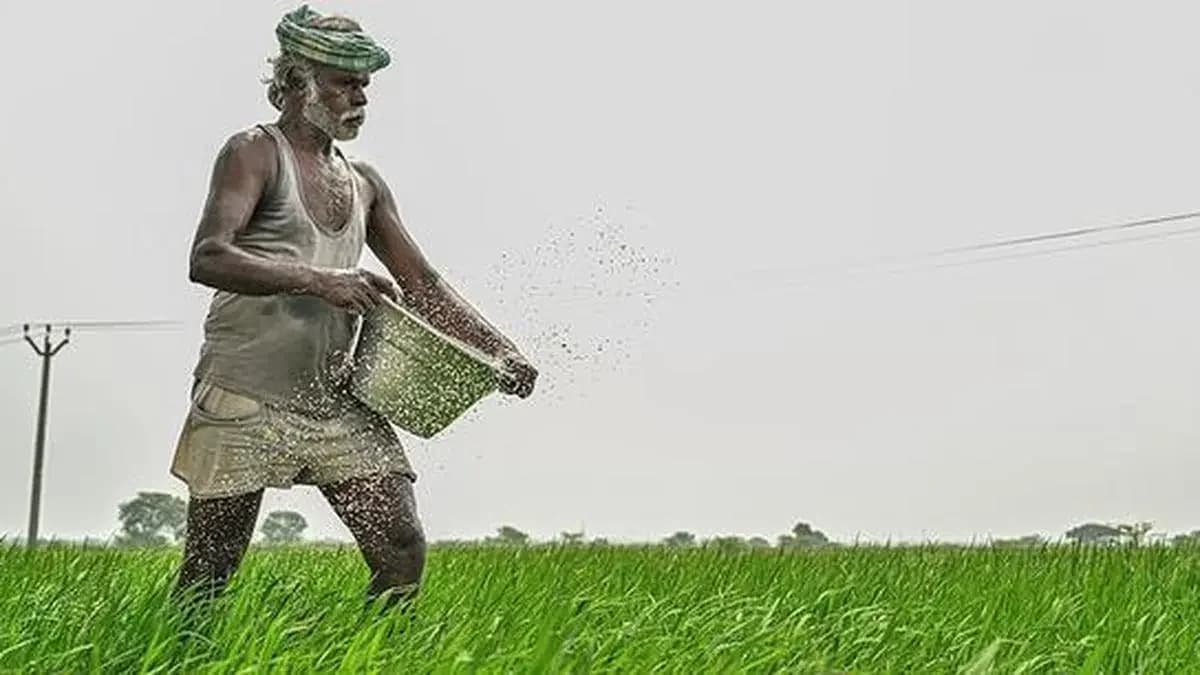
The government maintains urea at ₹267 per bag of 45 kg while DAP's maximum retail price is capped at ₹1,350 per bag of 50 kg under government control. MAP/MoP prices range between ₹1,700 and ₹2,200 per bag of 50 kg, and complex fertilizers are priced at ₹1,500-2,650 per bag of 50 kg. Some complex fertilizers coated with zinc and micro-nutrients cost more than ₹2,650 per bag of 40 kg. Industry experts note that urea is sold at rates lower than edible salt, creating significant distortion in fertilizer usage patterns.
Industry experts emphasize that rationalizing retail prices of all fertilizers is essential to correct soil fertility and change skewed usage patterns. A leading urea manufacturer CEO stated there is no justification to continue fixing urea bag at ₹267 while farmers purchase at higher rates, many at approximately ₹300 per bag. The industry has requested the government to start raising urea MRP in small lots, with Uttar Pradesh supporting such moves. The government has initiated a pilot program linking fertilizer sales with land records in 56 districts across 22 states, targeting expansion to 80 districts.
The Framework for Fertilizer Sale (FFS) is being implemented as a mobile app-based booking system integrated with the existing Integrated Fertilizer Management System (iFMS). The iFMS tracks more than 14 crore Aadhaar-linked buyers and over 2.5 lakh retailers, processing approximately 70 million tonnes of fertilizer sales annually. The system supports ₹2 lakh crore in annual fertilizer subsidies. Officials report positive feedback from pilots despite challenges including QR code generation issues and app functionality problems, with offline sales facilities remaining available.