Fertiliser shares experienced significant gains on Tuesday, with The Fertilisers and Chemicals Travancore rising as much as 14 percent to ₹1,029 per share on the NSE, according to reports from Moneycontrol. Chambal Fertilisers and Chemicals gained 5 percent, while Rashtriya Chemicals and Fertilizers advanced 4 percent and Gujarat State Fertilizers & Chemicals rose 3 percent. The rally was triggered by expectations that the Strait of Hormuz could reopen on Friday, easing concerns over supplies of key raw materials used by the fertiliser sector. Recent geopolitical developments have added to market volatility, with oil prices jumping after Israel and Iran launched strikes against each other, though prices later regressed after both sides appeared to back away from further strikes.
US President Donald Trump announced on Monday that a preliminary agreement to end the war in the Gulf has been signed by the US and Iran, as reported by Moneycontrol. The agreement would extend a ceasefire announced in April by another 60 days and reopen the Strait of Hormuz, which Iran has effectively blocked since the US and Israel attacked Iran in February. India's exposure to the Strait of Hormuz extends beyond crude oil, with sectors including petrochemicals, polymers, construction inputs, fertilisers and bullion likely to benefit from easing supply risks. The geopolitical tensions have also impacted global markets, with oil prices briefly topping $98 per barrel before settling at $94.25 per barrel, up 1.2% from Friday.
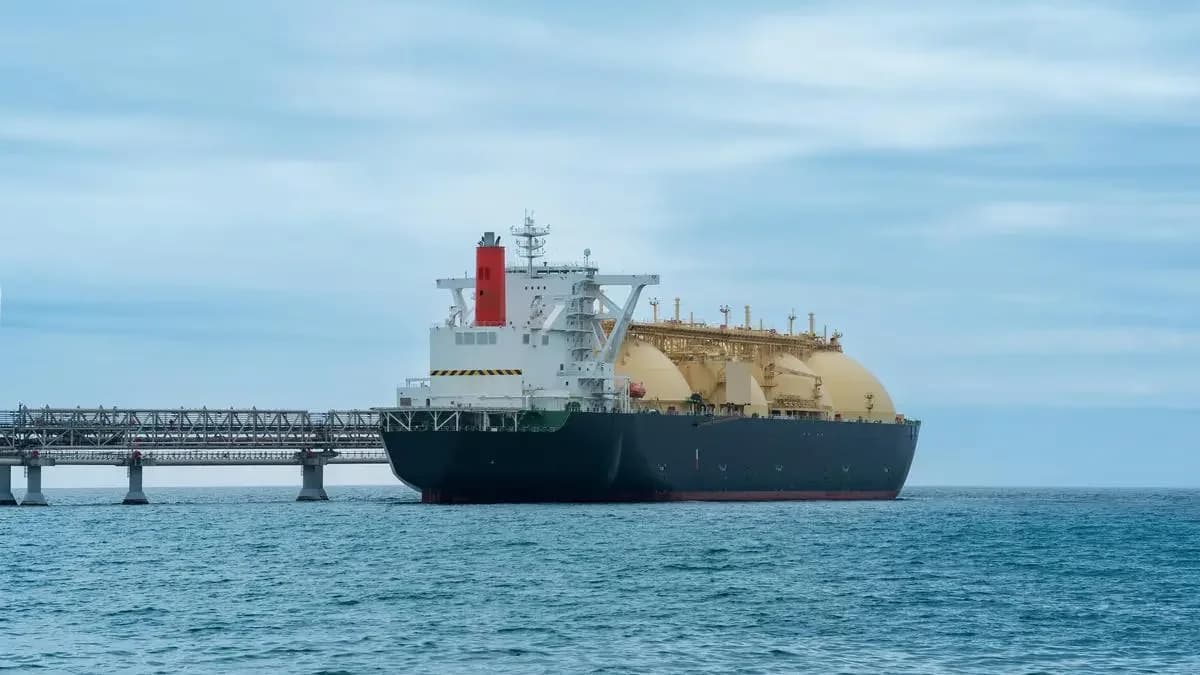
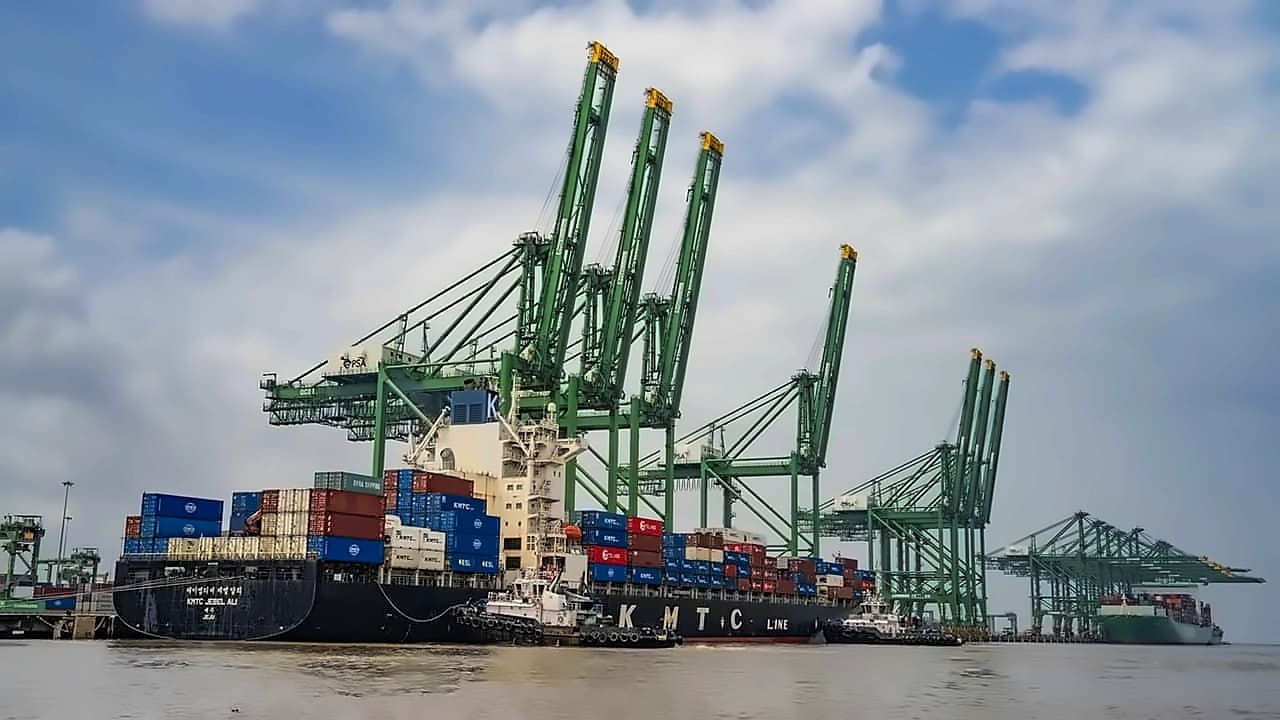
Fertiliser firms face significant supply risks as India's import dependence on Hormuz-linked economies is high for anhydrous ammonia at 78.8 percent and sulphur at 95.9 percent, according to Moneycontrol reports. Both anhydrous ammonia and sulphur are key inputs used in fertiliser production, and any disruption in these supplies could raise production costs and affect fertiliser availability ahead of key sowing seasons. India is one of the world's largest consumers of urea and any prolonged disruption in production could affect fertiliser availability during the crucial kharif sowing season. The current supply situation highlights India's vulnerability to geopolitical tensions, with 16 India-bound ships carrying fertilisers currently stranded in the Strait of Hormuz.
According to the fertilisers ministry, 16 India-bound ships carrying fertilisers are currently stranded in the Strait of Hormuz, as reported by Moneycontrol. Joint Secretary in the fertilisers ministry Bandana Preyashi revealed that eight ships carrying 330,000 metric tonnes of urea, four ships loaded with 257,000 tonnes of di-ammonium phosphate, one vessel carrying ammonia and three ships carrying 110,000 tonnes of sulphur are in the Strait of Hormuz. To meet domestic demand for the summer crop season, India has already imported 5 million tonnes of crop nutrients, including urea, apart from boosting local output. The supply disruptions have created additional pressure on global markets, with high oil prices caused by the war with Iran already sending inflation higher and threatening to slow economies worldwide.

India has floated a global tender to import 1.7 million tonnes of urea to address potential supply shortages, according to Moneycontrol reports. Joint Secretary Bandana Preyashi stated that at present, there is no major challenge to the availability of fertilisers in the current sowing season, adding that the country is expected to consume 38.39 million tonnes of fertilisers during the current harvest season. The fertiliser ministry's assessment suggests that despite current supply challenges, the country is well-positioned to meet domestic demand requirements. However, experts warn that reopening the Strait of Hormuz would only be a welcome change for farmers and food production globally, as roughly 30% of the world's fertilizer passed through the waterway before the war began, and prices are expected to take months to return to pre-war levels. The geopolitical tensions have also impacted global markets, with Treasury yields ticking higher following their jump on Friday, with the 10-year Treasury yield edging up to 4.56% from 4.55%.