European natural gas prices experienced a sharp decline after reaching €90 per megawatt-hour for the first time in almost four years. According to reports from Bloomberg, benchmark Dutch futures slid as much as 5.3% in later trading, erasing earlier gains that had pushed prices to their highest level since late 2022. The retreat came as some traders took profits from the recent rally that had driven prices to the €90 ceiling. Latest data shows that Dutch front-month futures traded 4.2% lower at €84.32 per megawatt-hour as of 5:06 p.m. in Amsterdam, reflecting the continued volatility in European energy markets.
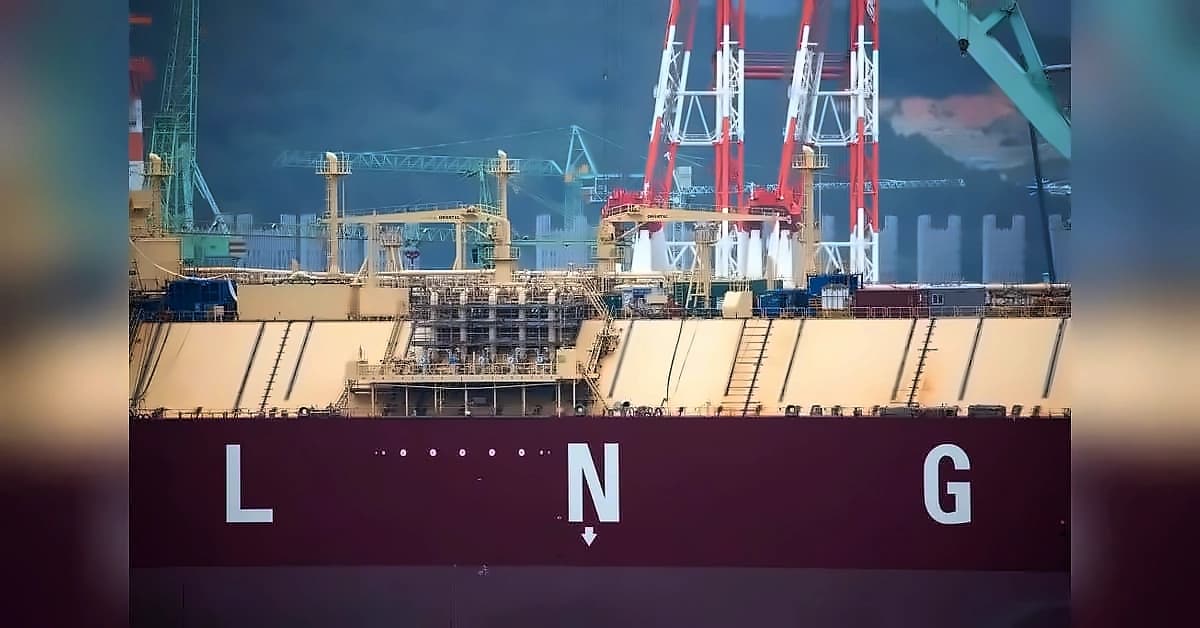
The price surge is driven by limited supplies of liquefied natural gas (LNG) from the Persian Gulf, which are making it harder for the European Union to replenish its reserves ahead of winter. As per Bloomberg reports, liquefied natural gas flows from the region remain around 80% lower than during the same period last year, restricting the volumes available on the global market. This supply shortage is intensifying competition between Europe and Asia, as both regions are the world's largest importers of liquefied natural gas and are expected to compete for larger volumes as winter approaches. The situation is particularly acute given that gas exports from the Persian Gulf, which accounted for about a fifth of global LNG last year, remain disrupted by the ongoing conflict.
Europe's gas-storage sites are now about 75% full, the lowest for the season in records going back to 2009, according to Bloomberg reports. The region may have to pay up to attract enough fuel cargoes this winter, with mild weather this month giving European energy companies some breathing room to add more fuel into storage at a faster-than-normal pace for October. However, a colder-than-usual winter, combined with prolonged restrictions on energy flows, could trigger further sharp increases in prices. The outlook will depend largely on weather conditions, the trajectory of imports, and how long supply disruptions persist.

The geopolitical outlook remains uncertain, with Qatar saying Tuesday that efforts to resolve the crisis between the US and Iran are ongoing and have not been interrupted, as reported by Bloomberg. That comes after attacks on oil and gas vessels have intensified recently, adding to concern over how quickly gas shipments from the Middle East could recover. Earlier this week, Iran said it has "no choice" but to assert control over the vital Strait of Hormuz. Ongoing tensions in the Middle East and threats to maritime security are adding to uncertainty over energy supplies, with the situation particularly critical given the reduced LNG availability from the region.
Rising prices have revived concerns over higher energy costs for Europe, as the adequacy of reserves and security of supply take on critical importance. Rabobank senior energy strategist Florence Schmit noted that "we are seeing a bit of a correction after the €90 ceiling was reached," but suggested potential to go above that level again in the next week. The development is putting additional pressure on Europe, which is seeking to strengthen its reserves ahead of the period of peak consumption. Gas exports from the Persian Gulf, which accounted for about a fifth of global LNG last year, remain disrupted by the war, with no recovery in sight.