Europe is now experiencing its second energy crisis in four years, with the current situation representing a more severe challenge than the 2022 crisis triggered by Russia's invasion of Ukraine. According to recent reports, the 2022 energy crisis was a slow-motion decoupling from Russia-supplied pipeline gas, giving markets months to adapt, while this current crisis was abrupt, starting when the Strait of Hormuz effectively closed in early March, cutting off roughly a fifth of the world's seaborne liquefied natural gas. The Strait of Hormuz, a vital waterway for global energy supplies, has been effectively closed since the war began at the end of February, with the waterway still closed and some oil production infrastructure in questionable condition, including damage to Qatar's Ras Laffan export complex expected to keep it offline until at least August.
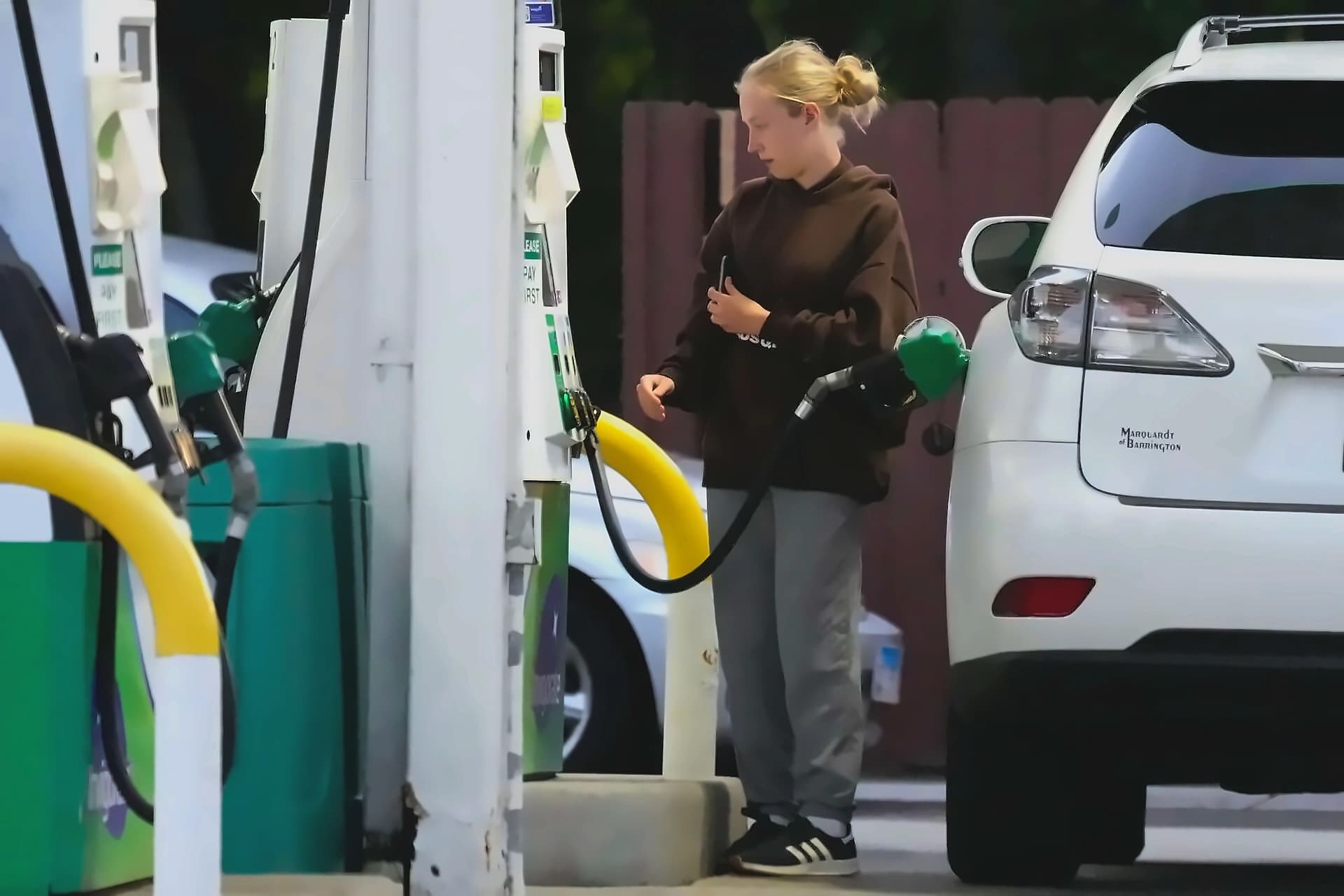
Gasoline prices have reached unprecedented levels, with a gallon of regular gasoline climbing 31 cents in the past week to an average of $4.48 per gallon, according to AAA data. This represents a 50% increase since the war with Iran began, hitting driver wallets across the United States. The main ingredient in gasoline cost is crude oil, which represented about 51% of the price of a gallon of gasoline in 2025, according to the Energy Information Administration. When crude oil prices rise, gasoline prices generally follow, with the Strait of Hormuz closure triggering the largest supply disruption in the history of oil markets, pushing oil prices as high as $112 a barrel in early April. Federal and state taxes contributed about 17% of the oil price, refining costs and profits contributed 14%, and distribution and marketing contributed 17%, with some states like California seeing prices well above national averages due to higher taxes and refining costs.

The current energy crisis has already had significant inflationary impacts on the euro area, with energy price inflation surging from -3.1% in February 2026 to 5.1% in March and 10.9% in April 2026. As reported by the European Central Bank, this represents a dramatic reversal from the negative inflation levels seen earlier in the year. The 2022 energy crisis led to euro area energy inflation peaking above 40%, pushing up headline inflation and subsequently passing through to core inflation. While the overall impact on euro area inflation will depend on the scale and persistence of the shock, consumer liquid fuel prices have already increased rapidly following the developments in wholesale prices. The crisis also demonstrates the potential of renewable and nuclear electricity to shield European consumers from fossil fuel price shocks, with wholesale and then consumer electricity prices showing more muted reactions in countries with higher shares of renewable or nuclear electricity compared to the 2021/2022 energy shock.
Europe's vast storage facilities are currently 34% full, significantly below the 45% five-year average for this time of year. As reported by Bloomberg, while it's normal for storage to decline in winter and be refilled in summer, this year's campaign has been slow to take off. The crisis creates a pincer effect for U.S. multinationals in Europe, with higher energy costs squeezing manufacturing margins while rising household bills for all goods, especially food, erode the spending power of European customers. Food prices are especially inclined to increase at the moment because many of the fertilizers needed to produce sufficient crop volumes are also unable to transit out of the Strait of Hormuz. Europe has to refill its reserves over the coming summer, with buyers bidding against others worldwide for every bit of LNG available, especially in manufacturing hubs.
Benchmark gas prices have risen more than 40% since the start of the war and are now trading near €47 per megawatt-hour. According to Bloomberg data, implied volatility — a measure derived from the cost of underlying options contracts — has come down from the peaks during the first week of the war but remains more than tripled since the start of this year. The call skew for January increased by 4 percentage points over the past week as traders added protection against a winter rally. Recent market data confirms that prices remain elevated compared to historical norms, with the market's attention remaining focused on Middle East developments despite relatively modest price movements at the start of this week. As Rob Smith from S&P Global Energy noted, there's a fundamental shortfall that will exist globally, with no matter what a government says or what any market person thinks, there is a true upward pressure that's being exerted on prices every day the Strait of Hormuz is constrained.