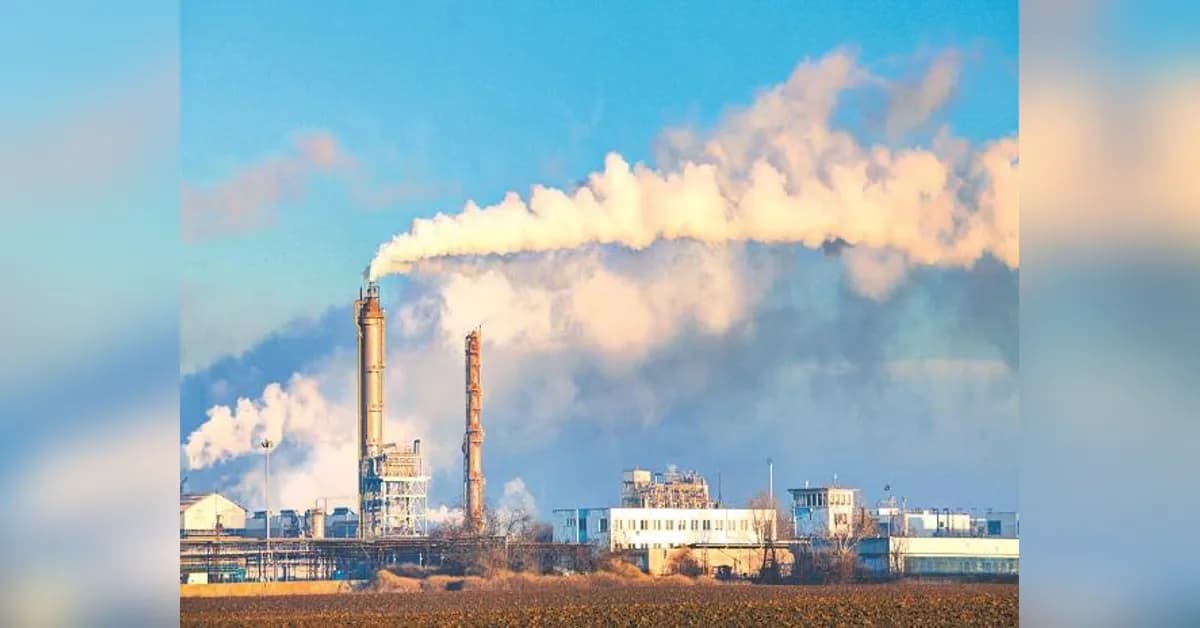
European carbon prices could reach €100 per metric tonne this winter as high natural gas prices linked to the Iran war encourage power generators to increase coal use, pushing up emissions, according to a report by BofA Global Research. The report expects EU carbon allowance prices to fall below €80 per metric tonne in the second half of 2027, assuming Middle Eastern LNG exports return to normal and new projects start operating as expected. EUAs, which are permits that allow companies to emit greenhouse gases under the European Union's carbon market, could trade up to €100/MT this winter as high European gas prices spur further growth of coal generation.
The energy supply shock has driven global prices to their highest levels since Russia's invasion of Ukraine, with oil prices rising around 40 per cent since late February and European natural gas prices more than doubling. As reported by BofA, coal has become more economical than natural gas for European power generators, even after accounting for carbon costs, though years of declining coal-generation capacity across the European Union could limit the extent to which countries can switch fuels. The report noted that coal has become more economical than natural gas for European power generators, even after accounting for carbon costs, though years of declining coal-generation capacity across the European Union could limit the extent to which countries can switch fuels.
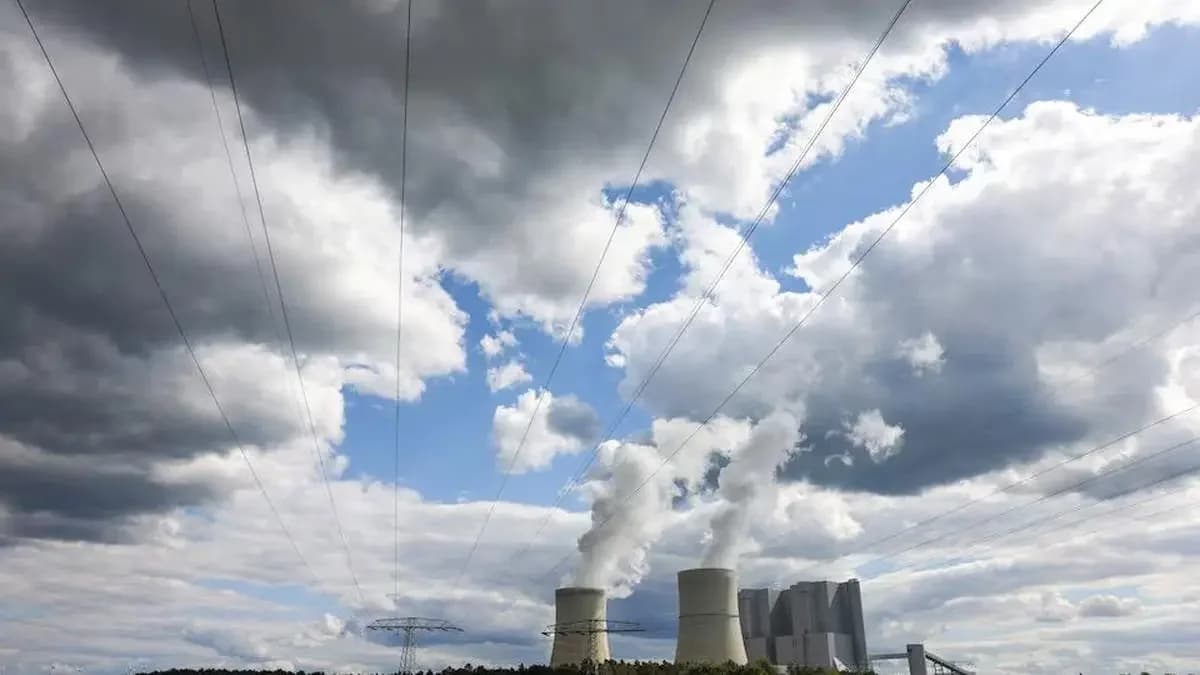
BofA noted that the EU's Carbon Border Adjustment Mechanism (CBAM), which extends carbon costs to imports, and the gradual withdrawal of free emissions allowances for domestic producers could further tighten the carbon market by increasing demand for permits. The bank expects carbon prices to ease in the longer term as the conflict subsides and new liquefied natural gas projects come online, with EU carbon allowance prices expected to fall below €80 per metric tonne in the second half of 2027.
The report highlighted the impact of elevated fuel prices on transport demand and emissions, with higher petrol and diesel costs encouraging consumers to reduce driving and shift towards electric vehicles. According to BofA, electric vehicle sales had grown strongly across major markets, while electric truck sales in China rose around 80 per cent year-on-year in the first quarter. The shift could accelerate reductions in petrol and diesel demand if current sales trends continue, weakening demand for conventional fuels and supporting the transition to cleaner transportation alternatives.
The bank also expects global oil demand to weaken in 2026, with demand losses estimated at around 3 million barrels per day, before recovering by approximately 4.3 million barrels per day year-on-year in 2027. Despite higher coal generation, BofA expects total European Union emissions to decline this year, supported by reductions in other sectors, including road transport. This development suggests that while energy transition challenges persist, overall environmental progress may continue through diversified energy sources and improved efficiency measures.