India has ordered state-owned fuel retailers to stop procuring ethanol made from sugar and key sugarcane-based feedstocks in a move that may help keep a lid on prices of the sweetener. This decision takes effect in India's new supply year starting November 1, 2026, after dry summer weather hit sugarcane production, leading to a global spike in sugar prices. As per NDTV, India, the world's second-biggest sugar producer, faces a smaller crop than a year earlier after a powerful El Niño contributed to the weakest monsoon in more than a decade, tightening availability of the sweetener. The government's directive to exclude sugar-based ethanol from the 2026-27 tender reflects these production challenges and concerns over domestic sugar supplies.
India's cumulative ethanol receipts reached 987 crore litres by the end of September 2026 in Ethanol Supply Year 2025-26 (November-October), with grain-based feedstocks accounting for more than 71% of the total, according to the All India Distillers' Association (AIDA). Receipts by oil marketing companies stood at 987 crore litres against a total contracted allocation of 1,197 crore litres, representing an 82.5% fulfilment rate. As per The Economic Times, this represents a significant milestone in India's ethanol blending program, highlighting the growing role of agricultural feedstocks in the country's energy security initiatives.
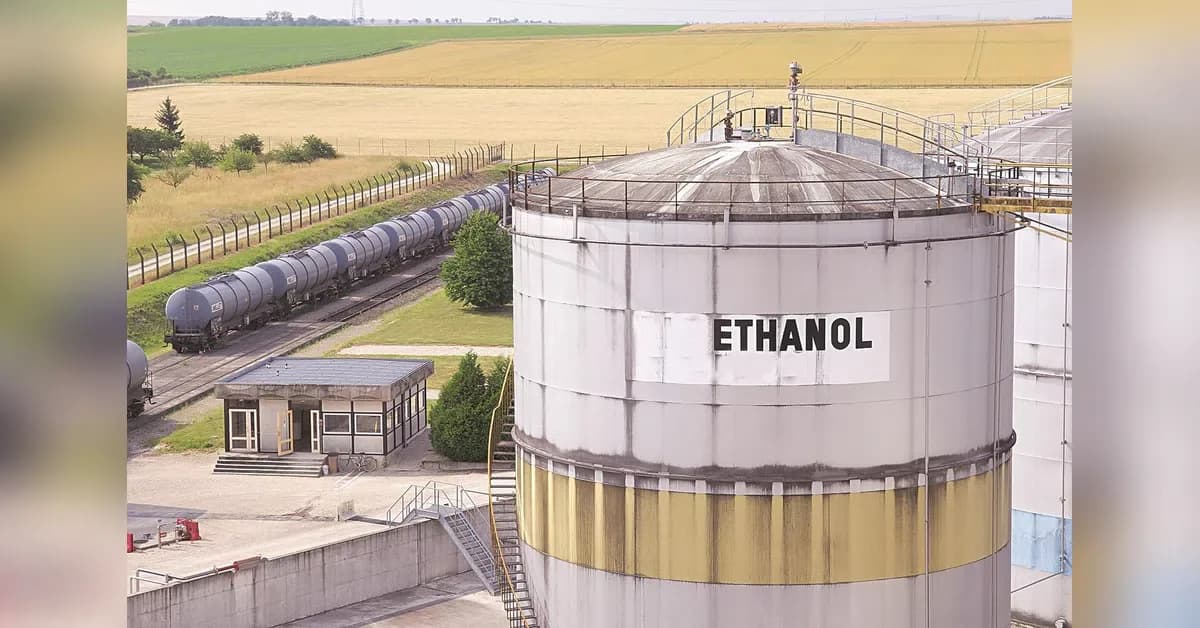
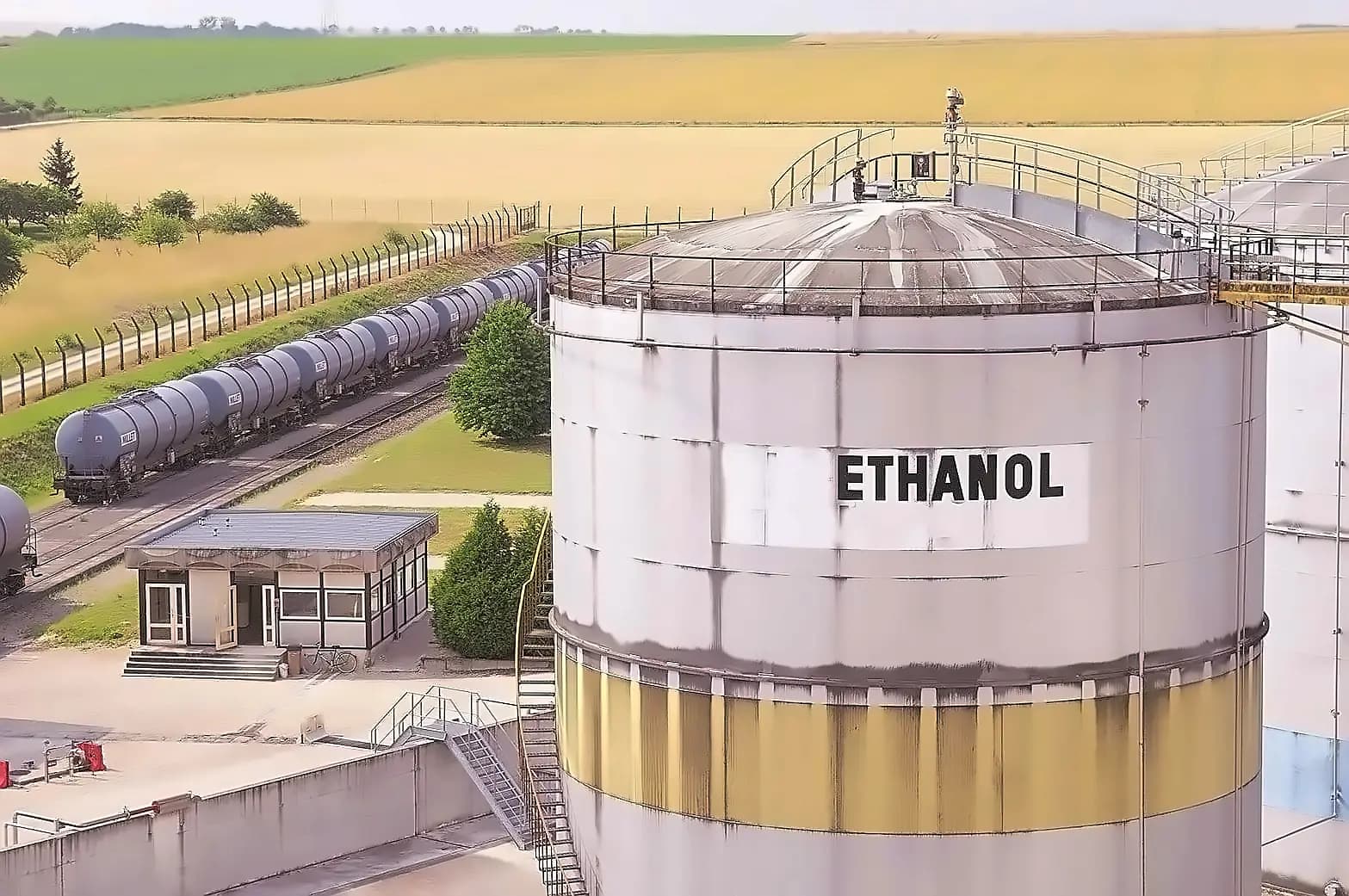
The Centre has directed oil marketing companies to exclude sugar-based ethanol from the 2026-27 tender, setting sugar diversion at zero amid concerns over domestic sugar supplies and record-high prices. According to the latest tender issued on October 16, the government has instructed that sugar diversion for ethanol be reduced to zero for ethanol supply year 2026-27. The tender document states that no offers have been sought for ethanol produced from sugarcane juice, sugar or sugar syrup and B-heavy molasses in this quantity bid tender. The oil marketing companies invited bids for 1,100 crore litres of ethanol for the supply year beginning in November, with the tender jointly issued by state-run Indian Oil Corp, Bharat Petroleum Corp, Hindustan Petroleum Corp, Mangalore Refinery and Petrochemicals, and Numaligarh Refinery.
The tender allows procurement from C-heavy molasses, damaged food grains, surplus rice sourced from the Food Corporation of India (FCI), maize and other eligible feedstocks under the National Policy on Biofuels. Ethanol made from maize has a basic rate of ₹66.07 per litre, with an additional incentive of ₹2.79 per litre, excluding Goods and Services Tax. The basic procurement rate for ethanol made from damaged food grains is ₹64 per litre, while surplus rice procured from FCI carries a rate of ₹60.32 per litre. Ethanol made from C-heavy molasses has a basic rate of ₹57.97 per litre. The tender covers four supply quarters running from November 2026 to January 2027, February to April 2027, May to July 2027, and August to October 2027, with offers for surplus FCI rice not accepted for the fourth quarter.
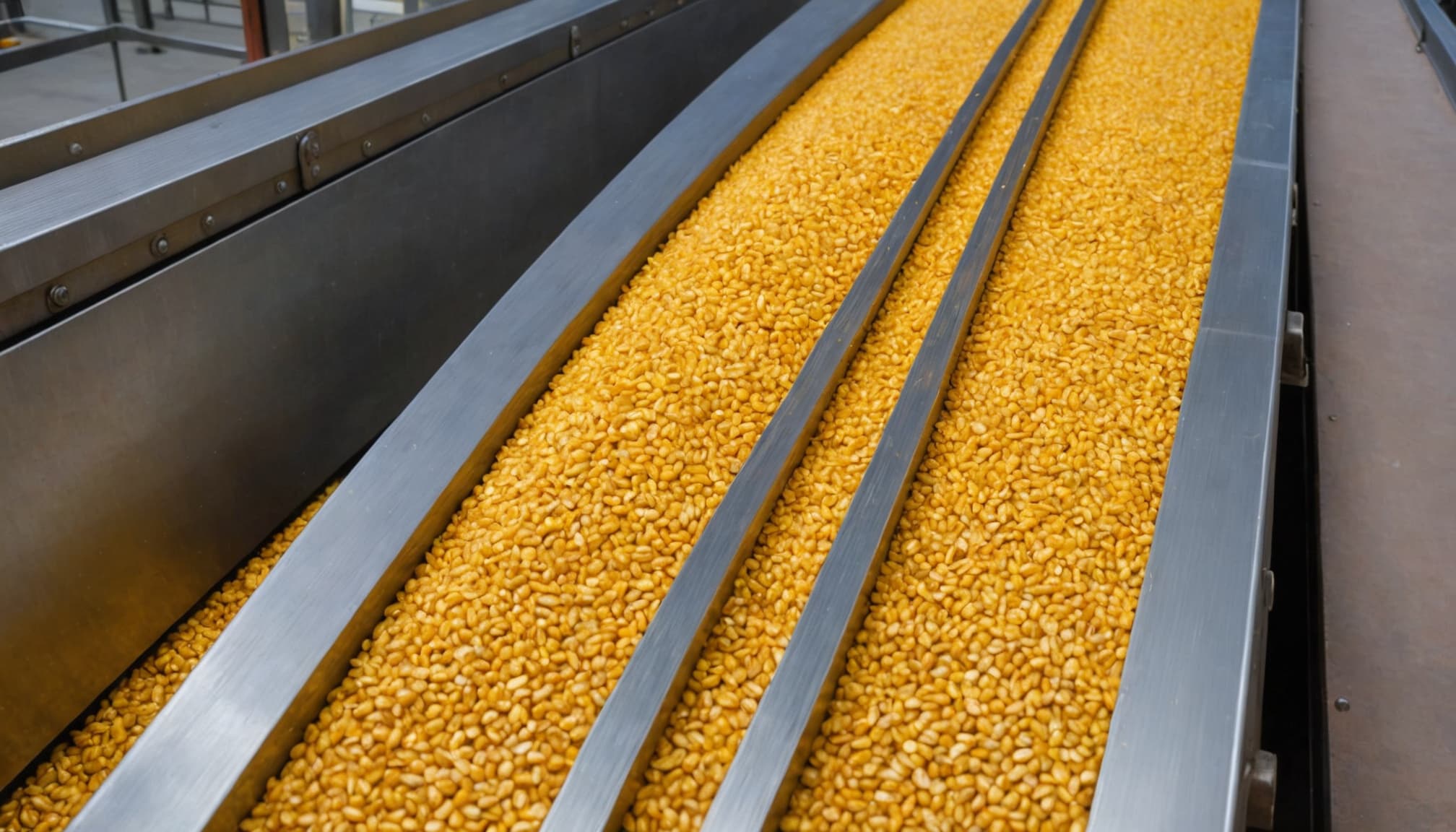
Grain-based feedstocks supplied 705 crore litres, or 71.4% of total receipts, against an allocation of 908 crore litres, achieving a 77.6% fulfilment rate. Maize emerged as the largest single contributor at 413 crore litres, or over 41% of total receipts, against an allocation of 614 crore litres. Surplus rice from the Food Corporation of India (FCI) supplied 222 crore litres against an allocation of 233 crore litres, while damaged food grains supplied 70 crore litres, above their 60 crore-litre allocation. The latest data from The Economic Times confirms these figures as of September 2025-26, with the association noting that the use of multiple grain-based feedstocks reflects the ethanol industry's expanding processing capacity and its ability to utilise different agricultural inputs while managing feedstock availability and safeguarding food security.
The government made E20 the nationwide mandatory standard earlier this year to curb pollution and cut oil imports, but some motorists fear the blend could damage older vehicles. The companies have cut the incentive for corn-based ethanol to ₹2.79 per litre from ₹5.79 per litre, bringing the procurement price down to ₹68.86 per litre from ₹71.86 per litre, according to the tender. India has increasingly used sugarcane and grains to produce ethanol as part of efforts to curb its dependence on imported oil while providing an additional source of income for farmers. Prime Minister Narendra Modi's government brought forward its target of blending 20% ethanol into gasoline by five years and achieved the goal in 2025. AIDA Deputy General Bharati Balaji emphasized that developing a diversified ethanol supply base using multiple feedstocks would be important for strengthening India's long-term energy security, with stable policies and broader avenues for ethanol utilisation essential to encourage continued investment.