The Production Shock: Weather, Disease, and the 11% Shortfall
This shortfall wasn't merely a statistical adjustment; it was the result of a perfect storm of adverse agricultural conditions. Maharashtra and Karnataka, two of the country's largest sugarcane-producing states, faced severe drought conditions that stressed crops and reduced yields. But the weather wasn't the only culprit. Crop diseases, specifically Red Rot and Top Borer, inflicted substantial damage on sugarcane stands. Red Rot is a fungal disease that damages cane from within, while Top Borer attacks the upper stem—both directly reducing the sucrose content and overall yield that mills can extract. Compounding these biological threats was waterlogging caused by excess rainfall in key growing areas, which further depressed productivity. The combined effect was a production environment where initial optimism gave way to a harsh reality of lower output and tighter supplies.
The Narrow Margin: Supply Barely Meets Demand
The production shortfall translated directly into a precarious supply-demand balance. After accounting for approximately 30 lakh tonnes of sugar diverted toward ethanol production during the season, net sugar production stood at around 279 lakh tonnes. This figure barely scraped by against the normative domestic consumption requirement of 280-285 lakh tonnes. The math reveals a system operating with virtually no buffer. Opening stocks for the new sugar season beginning October 1, 2026, reflected this stress, dropping to approximately 37.5 lakh tonnes compared with nearly 50 lakh tonnes a year earlier—a 25% reduction in the carryover inventory that typically provides a cushion against production shocks. This thin margin of safety is precisely what has prompted the government to intervene decisively in the market.
Policy Pivot: Prioritizing Sugar Over Ethanol
Faced with tightening domestic supplies and the prospect of further production declines due to continuing drought in Maharashtra and Karnataka, the government has made a clear policy choice: food security first.
This move prioritizes sugar availability for domestic consumers over additional diversion for biofuel. The rationale is straightforward. By halting the diversion of these sugar-rich feedstocks, mills can recover more crystallisable sugar from the available cane, augmenting domestic supplies to meet consumption requirements. The government has also signaled that export restrictions will continue and more imports may be allowed if necessary to maintain adequate supply levels.
The Ethanol Target: Decoupled from Sugar
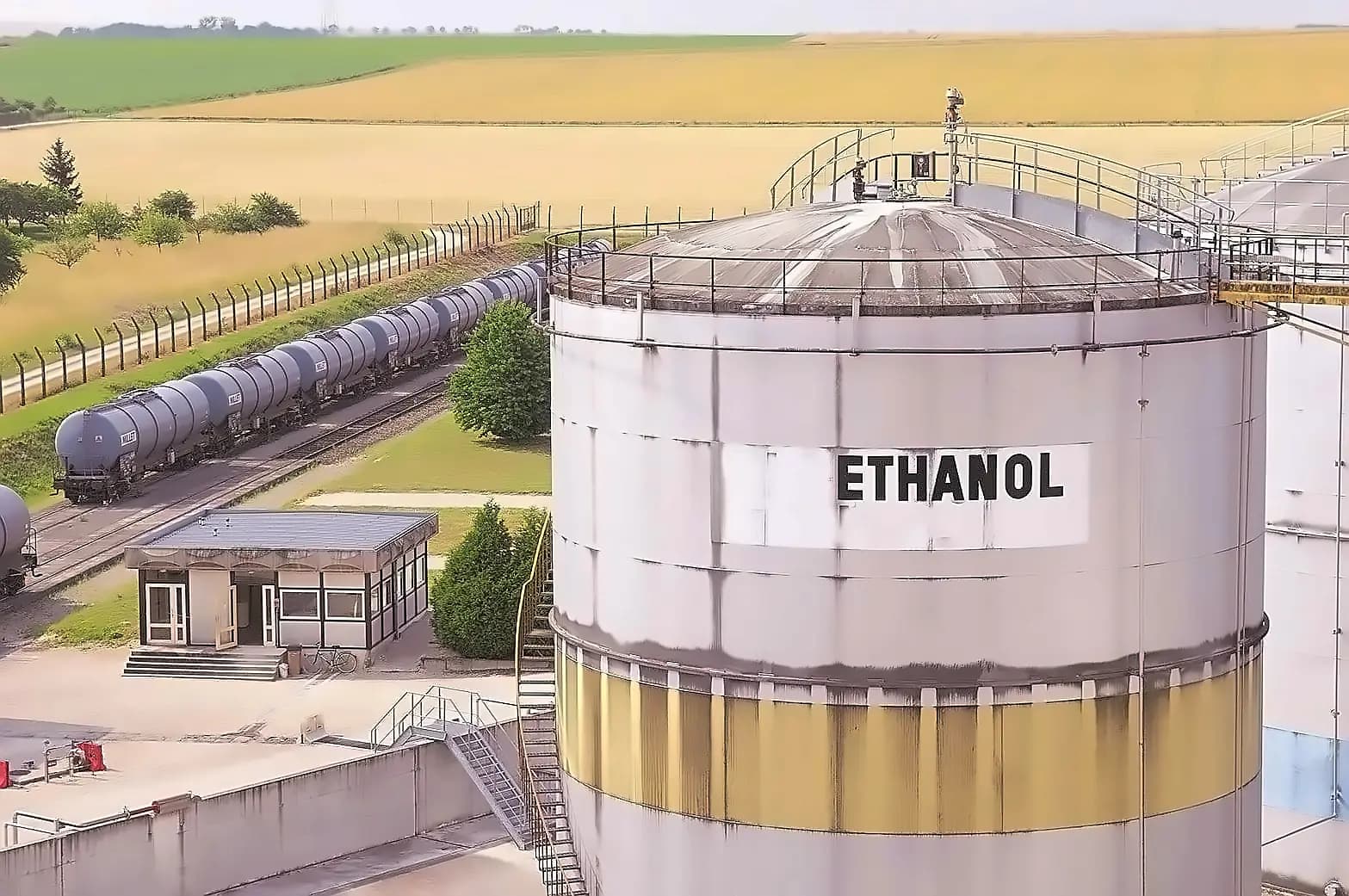
One might assume that halting sugar-based ethanol diversion would jeopardize India's mandatory 20% ethanol blending (E20) target. However, the government maintains that meeting this target won't be an issue. The reason lies in a fundamental structural shift that has occurred in India's ethanol ecosystem over the past several years. The dependence on sugarcane-based feedstocks has declined dramatically. The share of sugar diverted for ethanol has already fallen from around 12% in 2022-23 to approximately 9% in 2025-26. More importantly, nearly three-fourths of India's ethanol production now comes from grains, particularly maize. This decoupling means that fuel blending targets can be met even when sugar-based feedstocks are restricted. The government has also approved the continued use of C-heavy molasses for ethanol, which contains negligible sucrose content and doesn't sacrifice crystal white sugar production.
The Grain Revolution: Maize Takes Center Stage
The transformation of India's ethanol feedstock mix has been rapid and deliberate.
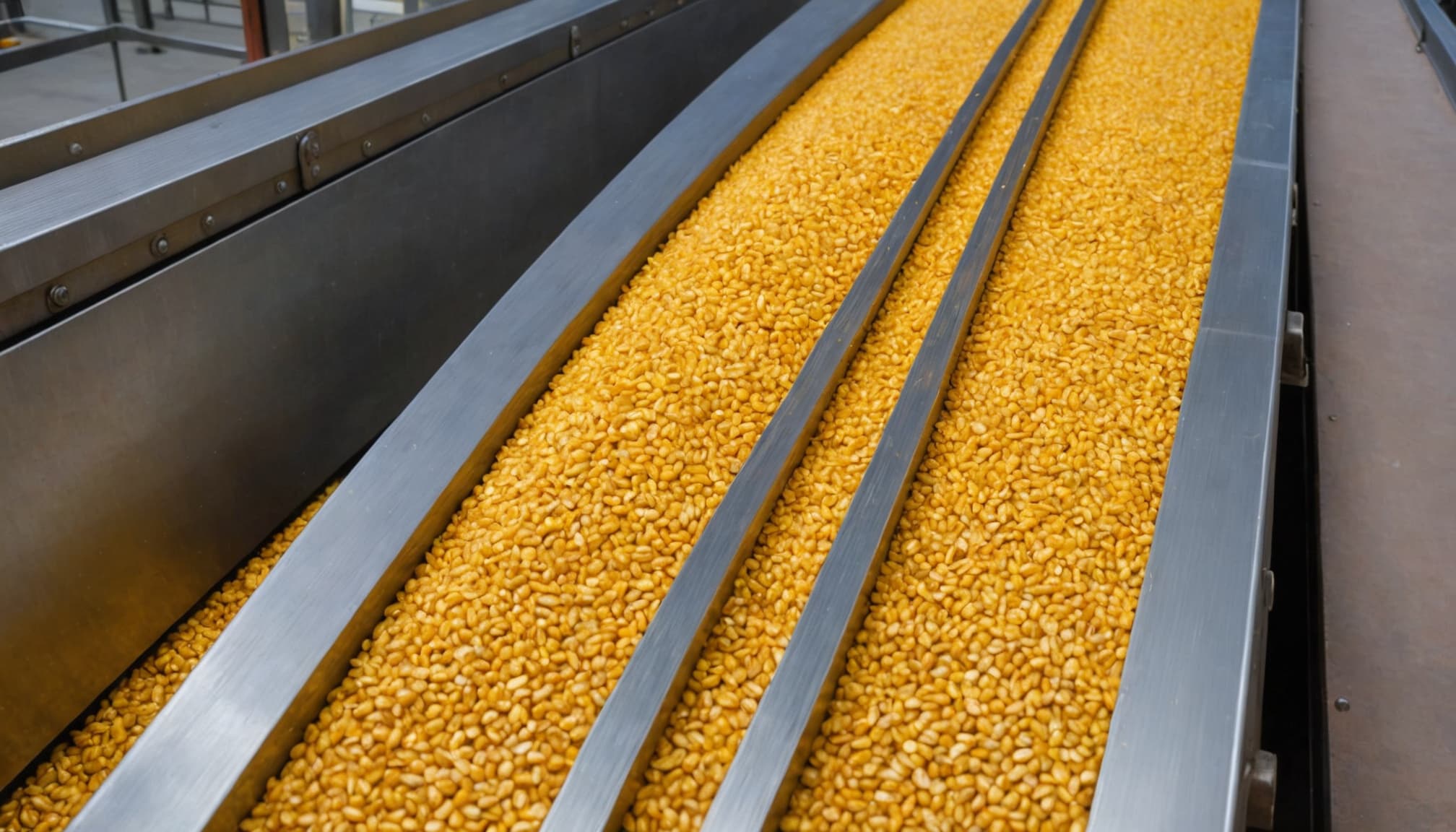
By 2025-26, the projected balance is 50-50. Maize has been the star performer in this transition. Its contribution to ethanol production surged from 6.2% in ESY 2022-23 to nearly 50% in ESY 2024-25, and it's expected to become the majority feedstock in the current season. The government has supported this shift through policy incentives, including raising the procurement price for maize-based ethanol to ₹71.86 per liter and increasing the minimum support price for corn to ₹2,400 per quintal. This grain-based diversification ensures year-round ethanol production, supplements seasonal sugarcane-derived ethanol, and balances food and fuel needs. It also reduces the water intensity of ethanol production, as maize generally requires less irrigation than sugarcane or rice.
The Mill Dilemma: Revenue Trade-offs and Financial Pressures
For sugar mills, the government's policy shift creates a complex financial landscape. The prohibition on diverting sugarcane juice, syrup, and B-heavy molasses for ethanol will alter revenue mixes in 2026-27, shifting the balance back toward sugar-centric operations. Historically, ethanol has provided stabilizing cash flows during periods of sugar price volatility. Integrated mills typically derive roughly 28% of their revenue from distillery operations, with the remainder coming from sugar and power generation. Losing the higher-margin ethanol production from sugar-rich feedstocks represents a significant opportunity cost. The financial impact of the broader reduction in sugar diversion—from 12% in 2022-23 to 9% in 2025-26—is already visible.
The Compensation Question: Can Sugar Prices Fill the Gap?
The critical question for mills is whether better sugar prices can compensate for the loss of ethanol revenue. Current market dynamics offer some encouragement. Ex-mill sugar prices in Maharashtra are around ₹4,200-4,300 per quintal, while Uttar Pradesh prices range from ₹4,500-4,600 per quintal. For many mills, selling sugar at approximately ₹42 per kg is around the cost-of-production zone. If prices remain above this level, the economic incentive to divert sugar into ethanol weakens. Indeed, industry analysts note that with indications of millers getting better prices, the financial impact of the ethanol diversion halt may be manageable.
However, operating profit margin gains may remain modest if ethanol prices stay stagnant, and the industry continues to advocate for ethanol price revisions to support distillery profitability.
Inventory Challenges: Managing with Lower Buffers
The combination of lower opening stocks and the halt on ethanol diversion creates significant inventory management challenges for the 2026-27 season. With opening stocks of 37.5 lakh tonnes against annual consumption of 280-285 lakh tonnes, the stock-to-consumption ratio has declined to approximately 1.3-1.6 months, compared to historical norms of 2.0-2.5 months. This reduced buffer means minimal margin for error in production estimates and increased vulnerability to demand spikes during festive seasons. The government has responded by imposing strict inventory controls, including stock limits of 400 tonnes for wholesale dealers and restrictions preventing bulk consumers from holding stocks exceeding 15 days of consumption. Joint teams of central and state officials are conducting physical verification drives to check for hoarding. States and mills have also been advised to begin crushing from October 15, 2026, which is expected to raise October production from the usual 3-4 lakh tonnes to more than 10 lakh tonnes, improving availability during the festive season.
The Import-Export Equation and Feedback Loops
The government's import and export policies complete the supply-demand picture. Commercial sugar exports remain under the 'Restricted' regulatory category since June 2022, effectively banning exports to conserve domestic supplies. Simultaneously, as a precautionary measure, the government has permitted duty-free imports of 10 lakh tonnes of raw sugar to augment domestic availability. These measures create feedback loops with domestic production and ethanol diversion policies. Lower opening stocks and production shortfalls trigger import approvals, which increase domestic supply and stabilize prices. As supply conditions improve, there may be scope for relaxing some restrictions on ethanol diversion in future seasons. The government has emphasized that it deploys dynamic market intervention tools to stabilize consumer prices and manage domestic sugar reserves, with the Sugar (Control) Order providing the framework for calibrating diversion limits based on carryover stock thresholds.
Looking Ahead: A Delicate Balance
India's sugar sector in 2026-27 operates at the intersection of competing priorities: food security for consumers, energy security through ethanol blending, and financial stability for mills and farmers. The government's decision to halt ethanol diversion from sugar-based feedstocks reflects a calibrated response to immediate supply constraints, made possible by the successful diversification of ethanol production toward grains. For sugar mills, the challenge lies in navigating this transition while maintaining financial health. The ability to switch between sugar and ethanol production based on relative prices—a flexibility that Brazilian mills have mastered—may become increasingly valuable in India's evolving policy environment. As the new crushing season commences, all eyes will be on production realization, price movements, and the government's readiness to adjust policies based on real-time supply conditions. The balancing act continues.