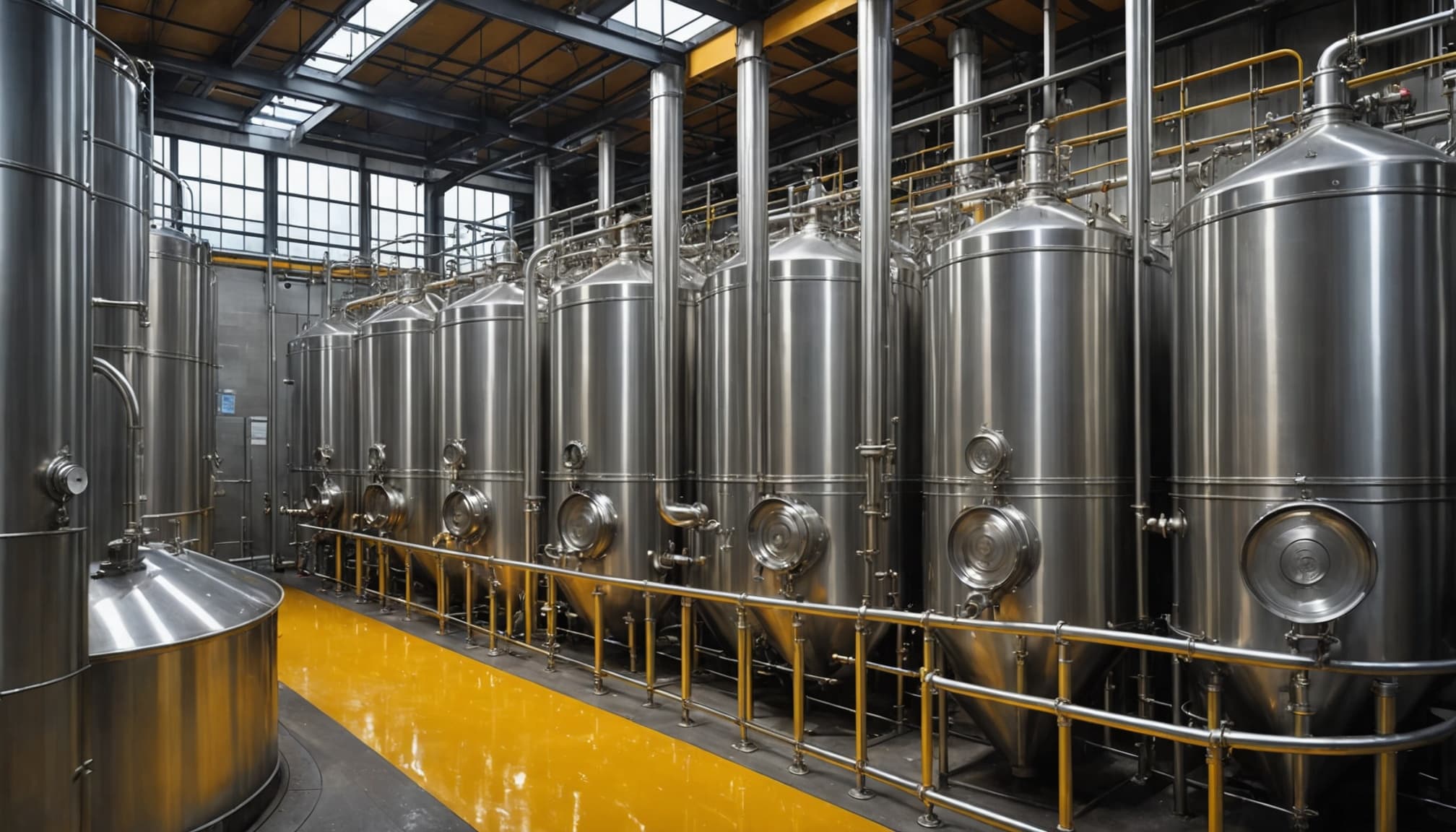
Oil Marketing Companies (OMCs) have been directed not to procure ethanol made from sugarcane juice, sugar syrup, or B-heavy molasses. This isn't a random policy flip; it’s a calculated response to a brewing crisis in the sugar bowl.
The primary culprit is the weather. The India Meteorological Department officially declared the onset of El Niño in June 2026, forecasting its persistence through April 2027. This climate pattern typically brings weaker monsoons, and this year was no exception. By mid-June, cumulative rainfall was over 53% below the ten-year average, with core sugarcane regions like Maharashtra and Karnataka facing persistent drought and heat stress. Sugarcane is particularly vulnerable during its tillering and elongation stages, and water stress during these periods can sharply reduce yields.
The production numbers reflect this strain.
Some industry bodies even peg output at around 27.9 million tonnes, which would fall below the annual domestic consumption of roughly 28.5 million tonnes. This would mark the first time in years that production fails to meet demand.
Consequently, sugar inventories have dwindled to levels not seen since 2016. Opening stocks for the new season were around 37.5 lakh tonnes, significantly lower than the nearly 50 lakh tonnes a year prior. With retail sugar prices hitting record highs, the government’s priority order became starkly clear: domestic consumption comes first, ethanol production comes second, and exports come last. The decision to halt sugar diversion is essentially a move to rebuild buffers and stabilize prices, even if it means complicating the country’s ambitious biofuel goals.
The Trade-off: Food Security vs. Energy Security
This policy shift highlights the growing tension between India’s need for food security and its drive for energy security. For years, the government relied on surplus sugar to meet its ethanol-blending targets, successfully advancing the E20 (20% ethanol blend) mandate nationwide. However, the exclusion of sugar-based feedstocks underscores the reality that when food supplies tighten, fuel must take a backseat.
The government is essentially balancing two critical mandates. On one hand, it needs to ensure adequate sugar availability to keep prices in check and prevent food inflation from spiraling. On the other, it is committed to reducing crude oil imports and lowering carbon emissions through ethanol blending. By restricting sugarcane juice and B-heavy molasses, policymakers are prioritizing the immediate need to feed the population over the longer-term strategic goal of fuel diversification.
This isn't the first time such a trade-off has occurred. Following the 2015 El Niño-induced drought, India had to import sugar. Similarly, during the 2023 episode, weaker output prompted restrictions on sugar exports and tighter controls on diversion. The current move is a repeat of that playbook, driven by the same fundamental concern: protecting the consumer. The government has also implemented other measures to cool prices, such as imposing stock limits on dealers and allowing duty-free imports of raw sugar, further emphasizing its focus on food availability.
The OMC Challenge: Securing 1,100 Crore Litres
For the OMCs—Indian Oil, Bharat Petroleum, and Hindustan Petroleum—the zero-diversion mandate creates a significant logistical and economic challenge. The tender invites bids for 11 billion litres (1,100 crore litres) of ethanol, but the traditional sugarcane-based supply has been severed.
Last year, sugarcane feedstocks contributed substantially to the total ethanol pool. Out of the allocated volume, roughly 289 crore litres came from sugarcane-based sources, with about 166 crore litres from juice/syrup and 110 crore litres from B-heavy molasses. Excluding these creates a massive gap that must be filled by alternatives.
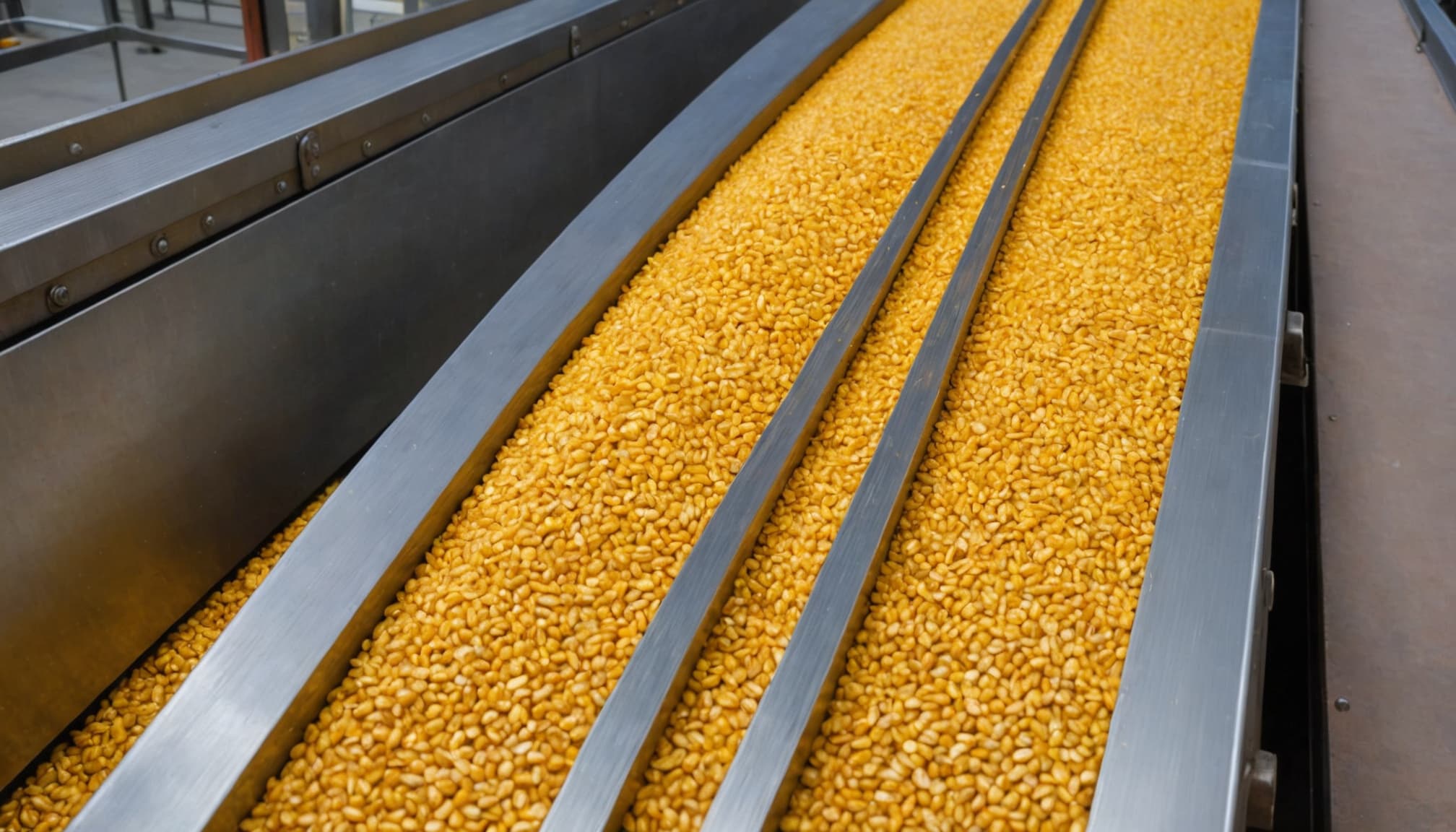
The primary substitutes are grain-based feedstocks: corn (maize), broken rice, and surplus rice from the Food Corporation of India (FCI). The government has already ramped up FCI rice allocation for ethanol to 7.2 million tonnes for ESY 2026-27, up from 5.5 million tonnes the previous year. Additionally, 5.5 million tonnes of broken rice are available via e-auctions.
However, the cost differential is a major concern. Ethanol produced from maize was the costliest feedstock in the previous year, priced at ₹71.86 per litre. The new tender cuts the incentive for corn-based ethanol, bringing the procurement price down to ₹68.86 per litre. In contrast, ethanol from C-heavy molasses was the cheapest at ₹57.97 per litre, while FCI rice-based ethanol was around ₹60.32 per litre.
While using cheaper FCI rice could mitigate this, the overall procurement cost is likely to rise. This comes at a time when OMCs are already reporting under-recoveries on petrol sales, adding further pressure on their finances. The ability to meet blending mandates now hinges on the availability and cost of grain, introducing a new layer of uncertainty to the supply chain.
The Mill Impact: Revenue Losses and Idle Capacity
For sugar mills, the ban on sugar diversion is a double-edged sword. On one side, they stand to benefit from higher sugar prices. Retail prices have surged, and industry estimates suggest that ex-mill prices around ₹50 per kg would be positive for mills, against production costs of ₹42–43 per kg. This price rally provides a much-needed boost to the sugar segment, which has often struggled with thin margins.
On the other side, the loss of ethanol revenue is a significant blow. Ethanol has been a structural earnings driver for many integrated mills, offering stable, government-backed returns.
With juice and B-heavy routes now blocked, that revenue stream is under threat. Annual Report +1
The immediate operational challenge is capacity utilization. Many mills expanded their distilleries in recent years, betting on sustained ethanol demand. Balrampur, for instance, has a distillery capacity of 1,050 KLPD. Last year, it produced about 27 crore litres against a nameplate capacity of 34–35 crore litres, running at roughly 78% utilization. Without juice or B-heavy feedstock, plants must rely on C-heavy molasses or grain, which may not fully absorb the available capacity. Analysts estimate that less than 200 crore litres of ethanol may realistically be available from C-heavy molasses due to competing uses. This leaves a substantial portion of the industry’s 900 crore litres of sugar-based distillery capacity at risk of idling.
Mills with multi-feed distilleries, like Triveni Engineering & Industries, are better positioned. Triveni has already shifted its mix, with grain accounting for 61% of its alcohol sales in the recent quarter. However, for mills heavily reliant on cane-based routes, the policy shift could lead to underutilized assets and continued fixed costs, including interest on debt taken for expansion. Transcript
Diversification into other products like extra-neutral alcohol (ENA), potable spirits, or bio-compressed biogas (CBG) is also on the cards, though these are long-term plays. Large capital projects, such as Balrampur’s polylactic acid (PLA) plant, represent a move away from pure commodity dependence, but they also carry execution risk and do not offer immediate relief. Transcript
The Road Ahead: Diversification and Uncertainty
Looking forward, the Indian biofuel sector is at a crossroads. The immediate reaction to the zero-diversion policy will be a scramble to secure grain-based ethanol. Producers with access to FCI rice and maize, particularly in grain-rich states like Bihar and Madhya Pradesh, are poised to benefit. The Grain Ethanol Manufacturers Association (GEMA) has been actively promoting the use of DDGS (Distillers Dried Grains with Solubles), a valuable co-product, to improve the economics of grain ethanol.
However, the broader implication is the heightened policy risk. The sector has attracted over ₹40,000 crore in investment, driven by long-term offtake agreements and administered pricing. The sudden restriction on sugar feedstocks serves as a reminder that these agreements can be subject to government discretion based on food security needs. This uncertainty could make investors more cautious, particularly regarding new capacity additions that rely solely on sugarcane.
To build resilience, the industry is likely to push for a more diversified approach. Multi-feed distilleries that can switch between cane, grain, and other biomass will be favored. There is also growing interest in second-generation (2G) ethanol from agricultural residues like rice straw and bagasse, as well as other biofuels like compressed biogas and sustainable aviation fuel (SAF). These pathways offer a way to decouple ethanol production from the vagaries of the monsoon and the food-versus-fuel debate.
Ultimately, India’s ethanol journey is evolving from a simple story of surplus sugar utilization to a complex narrative of balancing competing national priorities. The 2026/27 tender is a stark illustration of that complexity. While the immediate focus is on securing enough grain to keep the blending program on track, the long-term challenge will be creating a policy framework that provides the certainty investors need while ensuring that neither the nation’s fuel nor its food security is compromised.