The Singapore Institute of International Affairs has increased its risk rating of severe haze to high in a report released on Wednesday, identifying August to September as the peak danger period for Singapore, Indonesia, Malaysia and Brunei. According to the institute's report, the developing El Niño, with likelihood of reaching strong intensity later this year, is expected to raise temperatures and suppress rainfall across Southeast Asia. This represents the highest of three categories and the first time it's been raised to that level since 2023. The latest developments show Indonesia is now bracing for a possible 'Godzilla El Niño' as the fire season escalates earlier than usual, with the country facing unprecedented weather conditions.
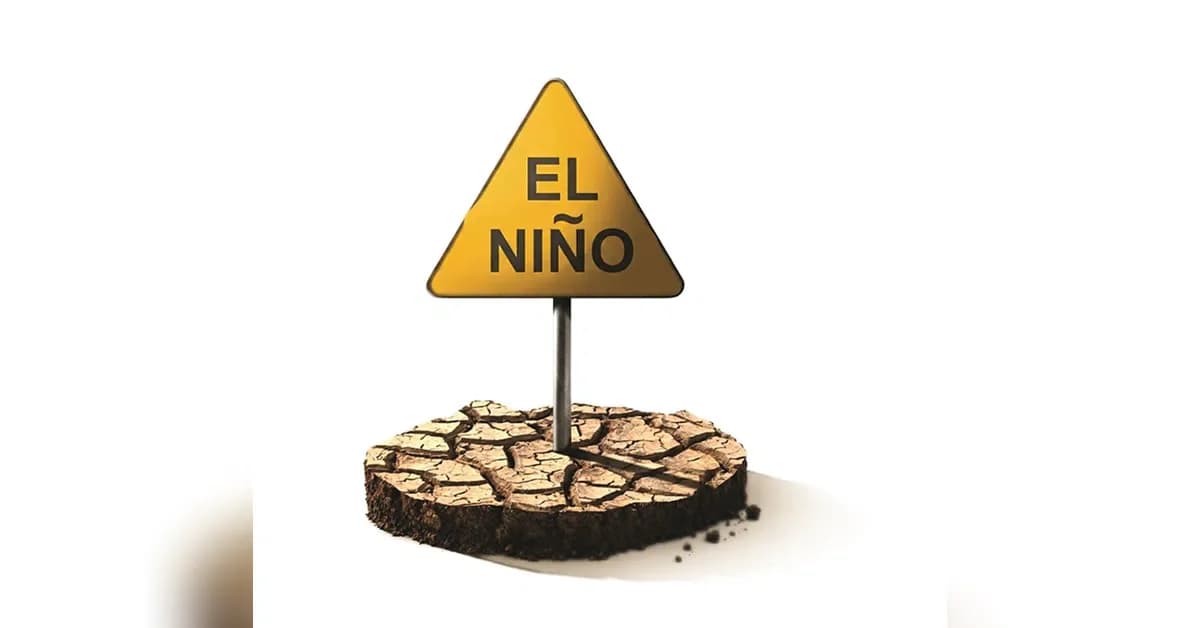
The weather conditions in the remaining months of 2026 could potentially be one of the hottest and driest dry seasons on record, as reported by the independent think tank. The positive phase of the Indian Ocean Dipole could further amplify these conditions, triggering droughts in the region. Seasonal outlooks from major meteorological agencies indicate a high likelihood of drier-than-normal conditions across much of maritime Southeast Asia in the coming months. The European Centre for Medium-Range Weather Forecasts predicts at least a 70% chance that much of Indonesia and Malaysia will see rainfall in the bottom fifth of historical trends through October. The current situation has escalated with Indonesia facing the potential of a 'Godzilla El Niño' that could bring even more severe weather conditions than previously anticipated.
Southeast Asia has experienced severe trans-boundary haze events most years, caused by fires allegedly lit by corporations and smallholder farmers to clear land for crops including palm oil. The region suffered particularly severe trans-boundary haze in 2015, when fires in Indonesia forced school closures and flight diversions in Malaysia and outdoor event cancellations in Singapore. The disaster caused ₹1,300 crore ($16 billion) in damage in Indonesia and sparked diplomatic tensions between governments. As reported by the institute's chairman Simon Tay, there is a real risk of a severe haze episode this year, with the key driver being the weather conditions. The current early fire season escalation, combined with the potential 'Godzilla El Niño' conditions, suggests the risk of severe haze events may materialize sooner than previously anticipated.
Beyond weather conditions, spikes in fertilizer and energy prices caused by the Iran war could add pressure on agricultural growers and raise the risk that some may use fire to clear land and save costs, according to the institute. Higher demand for biofuels could also prompt growers to use slash-and-burn deforestation techniques, while budget constraints may force governments to scale back fire prevention efforts. Haze events have already picked up earlier this year across key palm-oil growing regions, with the number of fire hotspots hitting the highest in seven years on arid conditions. In April, Thailand logged its highest fire hotspot count in a decade. The current early fire season escalation, combined with the potential 'Godzilla El Niño' conditions, creates a perfect storm of risk factors that could trigger severe haze events across the region.