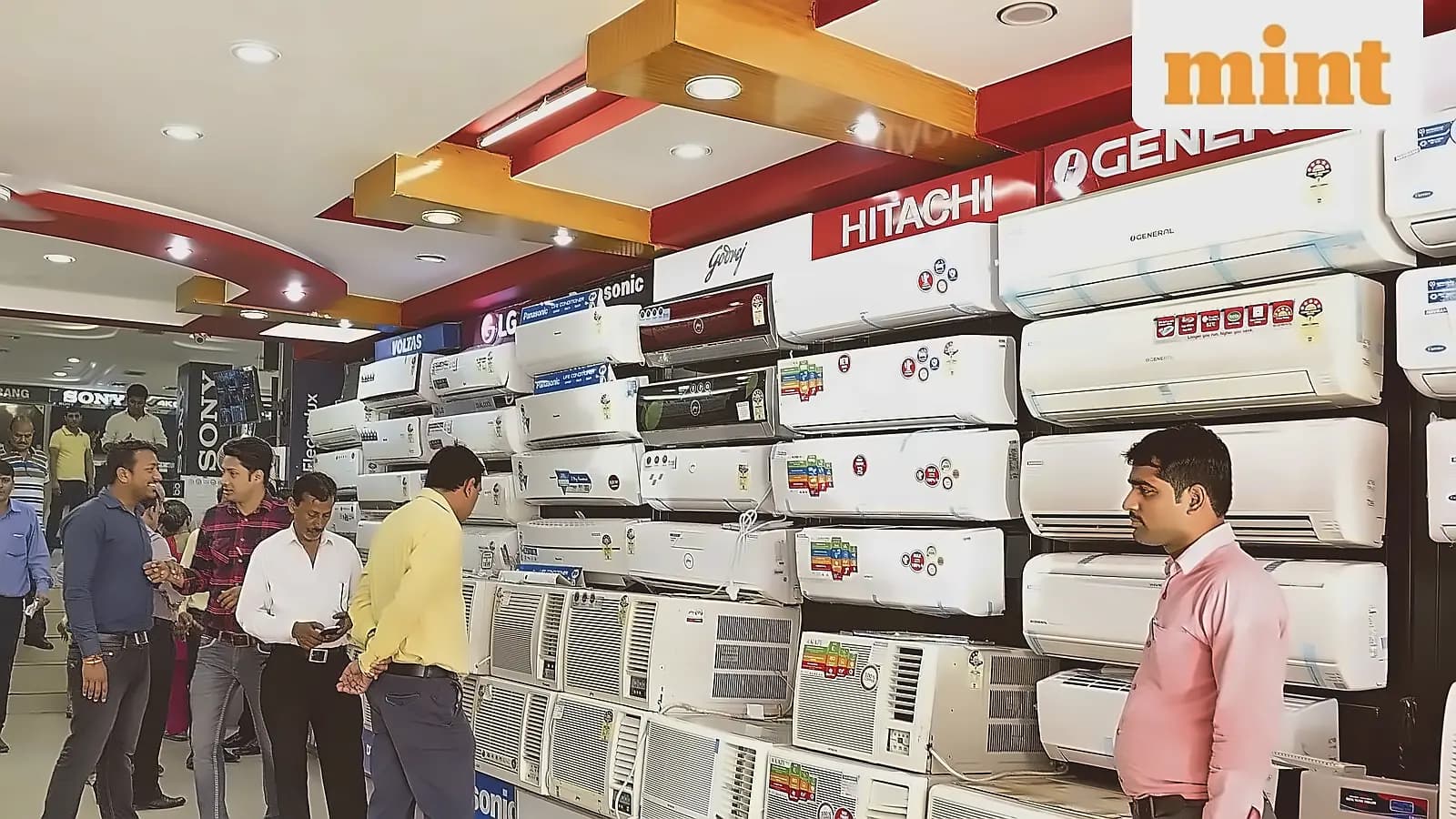
The Central Electricity Authority (CEA) has issued a comprehensive advisory to consumers and distribution utilities (discoms) as India braces for above-normal temperatures linked to El Niño conditions. According to the latest advisory from Mint, the India Meteorological Department (IMD) has forecasted above-normal temperatures across parts of northwest and northeast India over the coming weeks. The warning comes after an exceptionally hot May-June period, during which temperatures soared to 48.2°C in Banda, Uttar Pradesh, on 19 May. The authority has emphasised that prolonged use of air conditioners, cooling appliances and other electrical loads could overload wiring and electrical equipment, increasing the risk of overheating, electrical faults and fires. Citing recent fire incidents and air-conditioner explosions in buildings in Delhi, Noida, Lucknow, Indore and Cuttack, the authority said these cases underscored the need for regular maintenance of electrical installations and safe use of electrical appliances.
The Central Electricity Authority (CEA) has called for a fundamental shift in how distribution utilities (discoms) approach power outages during summer months. According to reports from Business Standard, the authority has urged states and discoms to transition from a 'predominantly reactive approach of addressing outages after they occur' to a proactive approach based on scientific planning, predictive analysis, preventive maintenance and advance preparedness for seasonal demand growth. This strategic change comes as several states continue experiencing consumer outages and load shedding despite adequate generation resources and grid power availability. "Field experience and operational feedback indicate that a significant proportion of such interruptions arise from constraints within the distribution network," said Ghanshyam Prasad, Chairperson of the CEA. The authority has emphasised that distribution utilities need to transition from reactive to proactive approaches to deal with the expected increase in demand during forthcoming summer seasons.
The CEA has attributed much of the summer power interruptions to constraints within the distribution network, including overloading of distribution transformers and feeders, inadequate transformation capacity at substations, delayed system augmentation, failure of ageing equipment, local network bottlenecks and insufficient preventive maintenance. As reported by Business Standard, increasing air-conditioning loads, rapid urbanisation, expansion of commercial establishments, growth in agricultural demand and electric vehicle charging infrastructure are accelerating peak demand growth at the distribution level. In many cases, actual demand growth exceeds the pace of network strengthening, resulting in transformer failures, feeder tripping, voltage-related issues and consequent load shedding. The CEA has identified that distribution transformers loaded above 80 per cent, feeders loaded above 80 per cent, power transformers loaded above 75 per cent and areas experiencing low voltage require immediate attention. The latest advisory specifically warns that discoms should closely monitor the loading of transformers and cables and replace equipment before they reach threshold limits.
The CEA has established comprehensive safety measures for consumers to prevent electrical hazards during the upcoming heat wave. According to the latest advisory from Mint, consumers should keep their connected load within the sanctioned limit, report any increase to the concerned DISCOM, and ensure that internal wiring is suitably rated to prevent overheating and fire hazards. The authority has advised "Switch them off once the room is comfortable or when unoccupied, and preferably maintain the temperature at 24°C, as recommended by BEE, for comfort, energy efficiency and safety." It further cautioned against operating multiple appliances from the same socket or extension board. The advisory emphasises that electricity should be used optimally by limiting consumption to essential loads and switching off appliances that are not needed. These measures are designed to prevent damage to discom infrastructure, including cables and transformers, while protecting lives and property during the anticipated surge in electrical demand.
The advisory comes as India's power demand continues to reach record levels, with peak power demand touching a record 270.8 GW in May. The CEA has projected peak demand at 272 GW this year, while Union power minister Manohar Lal has said it is expected to rise to 300 GW next year. The authority has prepared a comprehensive set of advisory measures for discoms to minimise load shedding and improve power supply reliability during peak demand periods. According to Business Standard, the authority has requested state-level review of summer preparedness with both immediate (within one year) and medium-term (one to three years) actions. Every discom should prepare short-term forecasts based on historical feeder demand, future expected load, weather conditions, consumer additions and air-conditioning penetration, while medium-term forecasts should consider urban development plans, industrial corridors, smart city projects and electric vehicle adoption trends. The CEA has emphasised systematic assessment of network loading, advance planning of augmentation works, preventive maintenance of critical assets, and strengthening of emergency response mechanisms.