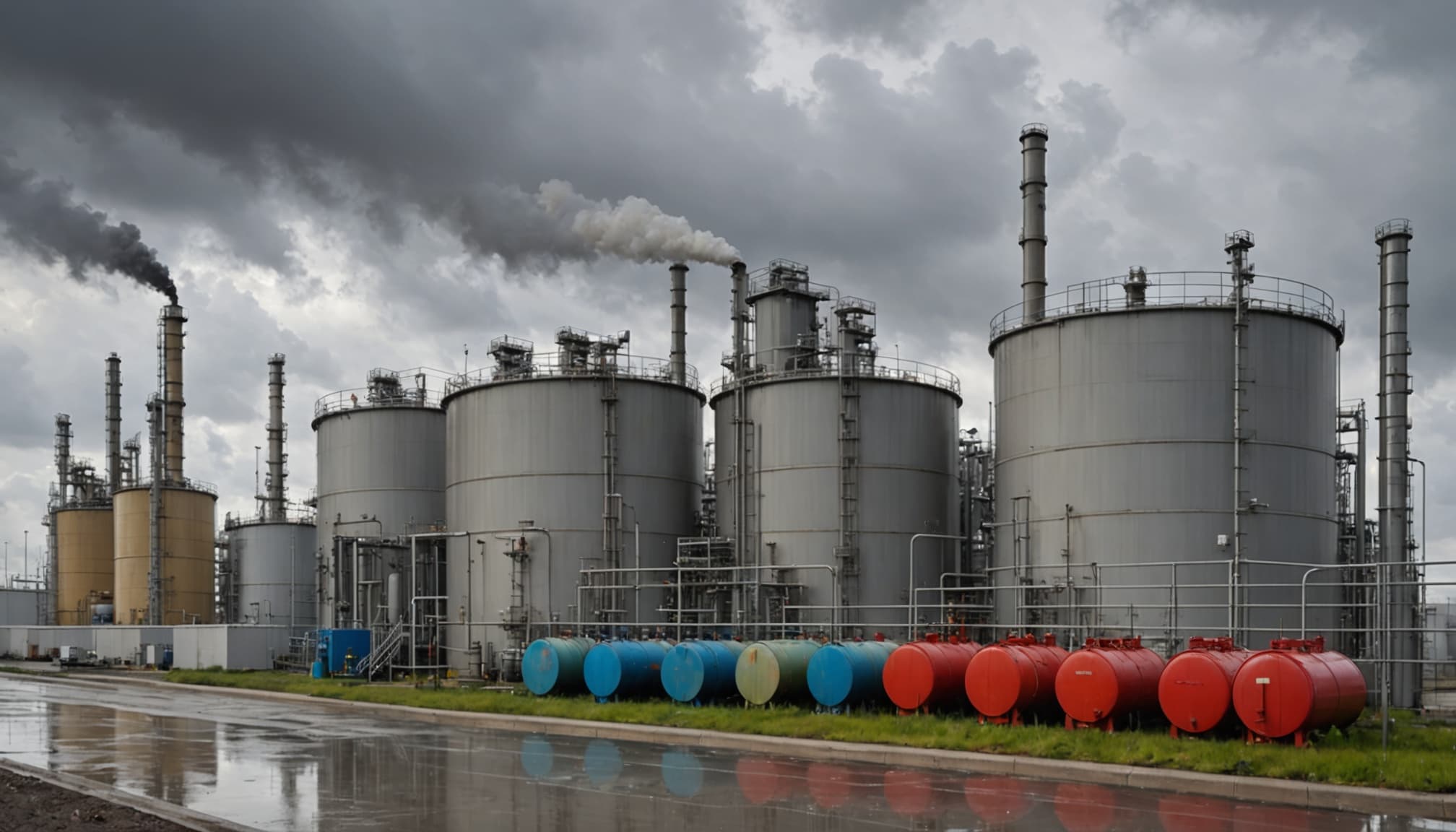
Despite implementing four fuel price hikes this month, India's state-run oil marketing companies continue to face mounting financial pressure with daily losses of nearly ₹600 crore. According to government officials as reported by Reuters, the latest price revisions have only partially offset the substantial losses incurred by retailers including Indian Oil Corporation, Bharat Petroleum Corporation and Hindustan Petroleum Corporation. The companies are still collectively losing this amount as higher crude procurement costs continue to outpace gains from pump price revisions, highlighting the challenging financial position of public sector fuel retailers amid sustained global energy market volatility.
The fourth fuel price hike introduced by the Centre represents the latest in a series of price adjustments aimed at offsetting losses for state-run oil manufacturing companies. According to reports, the four phased revisions were implemented on May 15, 19, 25 and 28, with the average price increase of ₹2.7 per litre. These revisions raised Delhi petrol prices from ₹94.77 to ₹102.12 and diesel from ₹87.67 to ₹95.20. The price increases were triggered by Iran war-related disruptions and aimed to help state-owned oil companies manage their financial challenges more effectively, though current retail prices remain insufficient to fully offset sharp rises in international crude costs.
The government's finances have come under strain following reductions in excise duties on petrol and diesel aimed at cushioning consumers from runaway fuel inflation. Officials indicated that the Centre is currently foregoing nearly ₹14,000 crore every month in revenue because of lower excise collections on auto fuels. This represents a significant fiscal impact as the government balances inflationary pressures with the financial health of oil marketing companies, with the combined effect of higher import bills and lower fuel tax collections potentially widening pressure on the fiscal deficit if crude prices remain elevated for a prolonged period.
Moody's has outlined that crude oil prices will remain between $90 and $110 per barrel for the rest of the year, assuming the Strait of Hormuz is reopened. As reported, crude oil prices have experienced significant volatility, with global benchmark Brent crude crossing the landmark $120 per barrel level in the past two months. However, prices have shown some recovery in recent days as America and Iran continue truce negotiations. As of the latest trading session, Brent Crude traded 5.75% lower at $94.39 per barrel, indicating some stabilization in oil markets, though sustained high crude prices could continue affecting oil marketing company profitability despite recent retail price increases.
Market participants believe future pricing decisions will depend largely on the trajectory of global crude oil prices and the extent to which geopolitical tensions continue to disrupt supply chains. Any sustained rally in crude could compel both the government and oil retailers to revisit their strategy on fuel pricing and tax structures. The pressure on oil marketing companies comes at a time when the broader economy is already dealing with inflationary concerns linked to food prices, logistics costs and currency movements. Higher fuel prices tend to have a cascading effect across sectors including transportation, manufacturing and agriculture, making fuel pricing a politically and economically sensitive issue that requires careful balancing of consumer protection with fiscal responsibility.