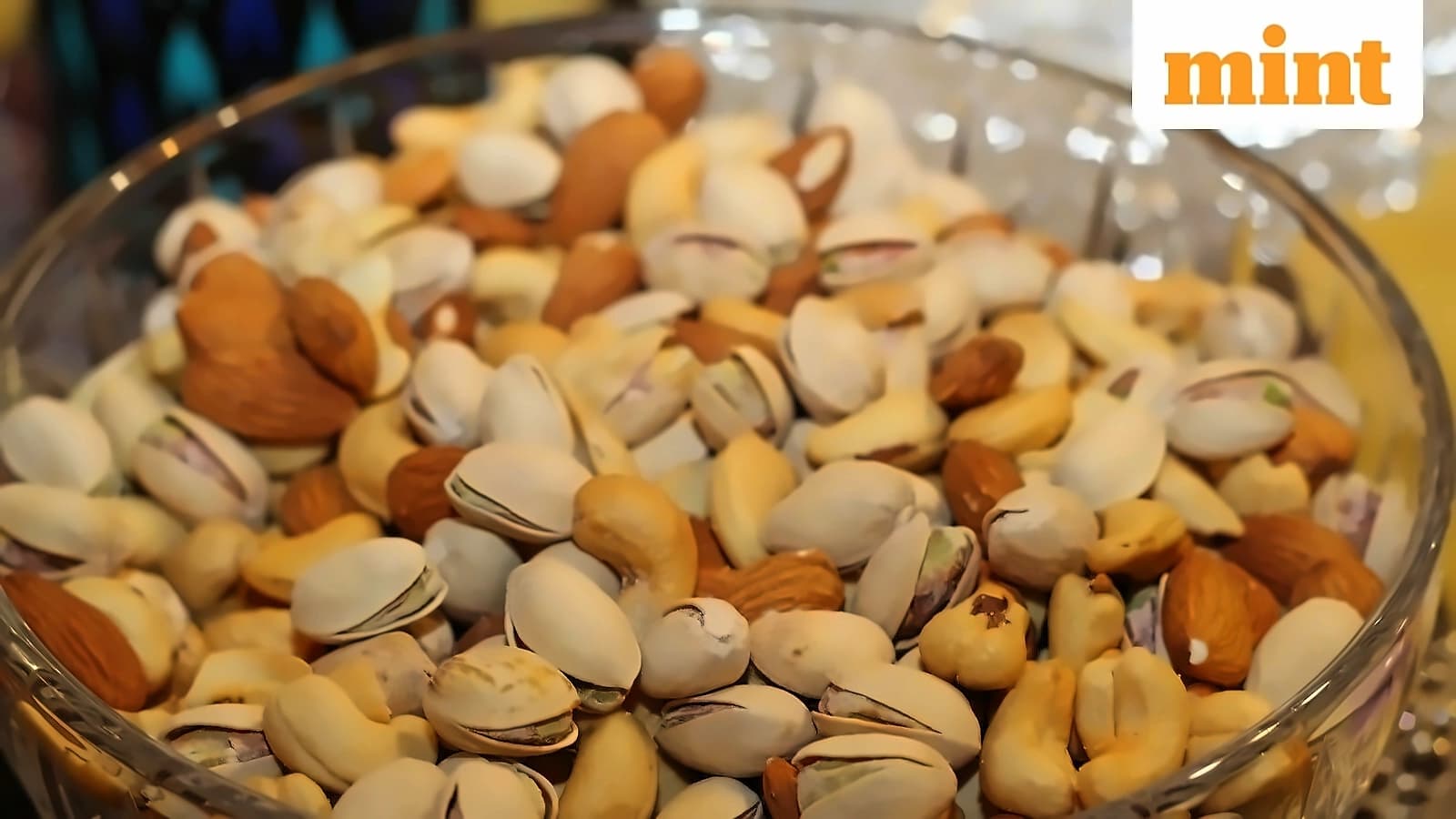
Prices of nuts and dry fruits have surged sharply over the past month, with staples such as raisins, dates and pistachios rising 20-30% on average, according to industry estimates. As reported by Mint, the price increases have been even more dramatic in some categories, with green raisins up nearly 40% from about ₹600 per kg to ₹1,000 per kg, premium Mamra almonds from Iran up about 25% to ₹3,500 per kg, and prunes in some cases doubling from ₹500 per kg to ₹1,000 per kg. Pistachio prices have risen from ₹2,000 per kg to ₹2,800 per kg in the past month, with overall imported dry fruit prices increasing between 15% and 100% depending on availability and sourcing constraints.
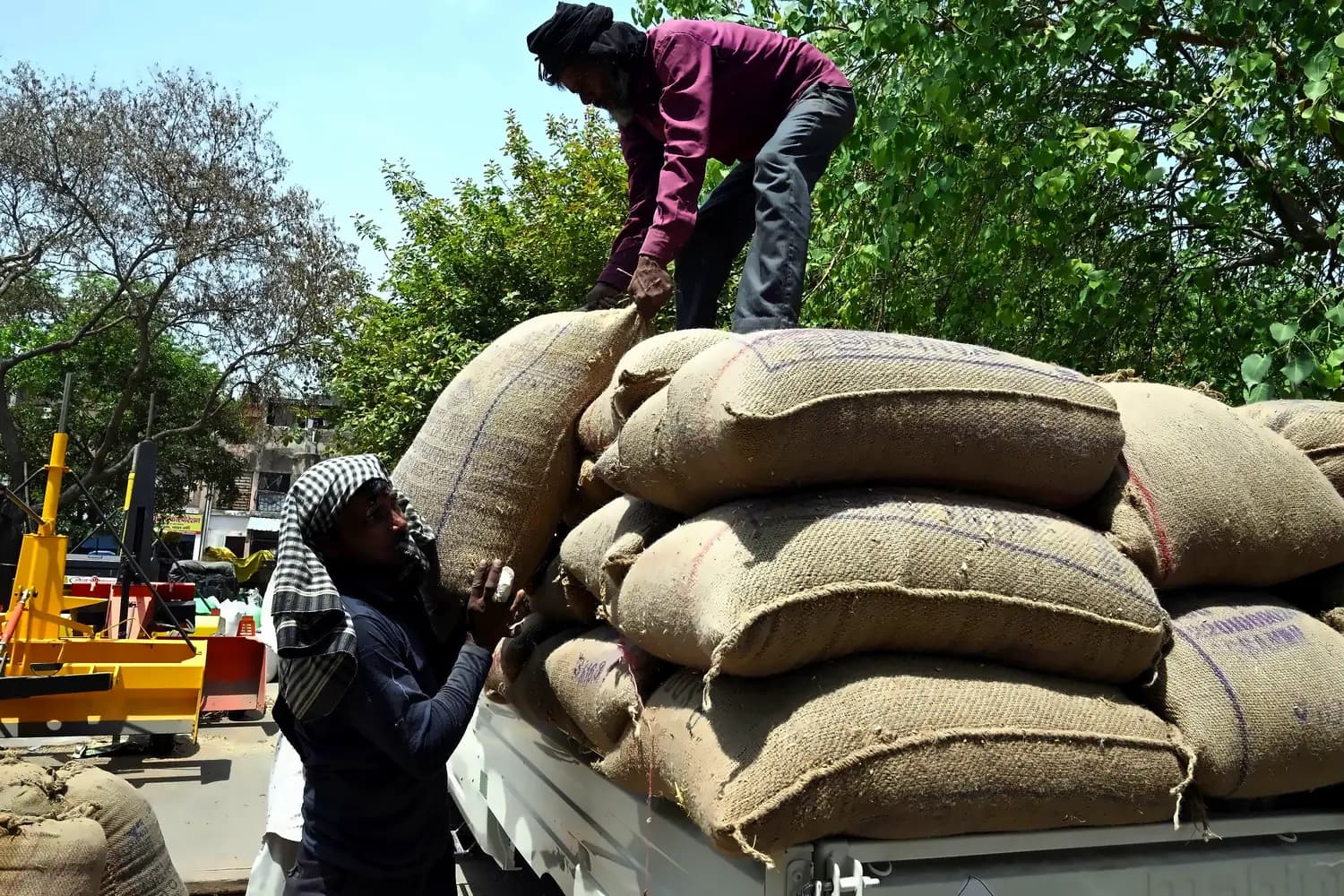
The price increases are attributed to delayed shipments, higher freight and insurance costs, and restricted trade flows through critical corridors, according to Gunjan Vijay Jain, president of the Nuts and Dry fruits Council (India). As reported by Mint, supplies have been hit particularly along routes passing through Iran and the Persian Gulf, including the Strait of Hormuz, slowing arrivals. Jain noted that shipments are facing delays, with traders indicating arrival timelines have slowed by nearly 15-25%, while freight and insurance costs have also risen sharply by about 15-30%, adding to supply-side pressures.
The impact is significant because India depends heavily on imports for dry fruits and nuts (DFN), which make up nearly 80% of the country's $8.5 billion market, according to Mint reports. With domestic production limited, any disruption in key supplying regions quickly feeds into local prices. India sources a wide range of dry fruits globally, with Iran and Afghanistan among the key suppliers of pistachios, figs, raisins, apricots, dates and premium Mamra almonds. Together, West Asia and Afghanistan account for nearly 40-45% of India's total dry fruit imports, highlighting the sector's exposure to the current disruption.
Importers are scrambling to diversify sourcing to plug supply gaps, with the US, Georgia in Europe, Turkey, Australia, Chile, Argentina, and Central Asian countries such as Uzbekistan and Tajikistan being tapped for various dry fruit categories. As reported by Mint, the US, and Georgia in Europe are key alternative sources for almonds and pistachios, while Turkey is gaining ground as a supplier of figs and hazelnuts. Australia is also emerging as a reliable sourcing partner for almonds and macadamias, though alternatives come with higher costs and potential quality variations.
India's total dry fruit demand is estimated at around 1.43 million tonnes annually, against domestic output of about 380,000 tonnes, implying that nearly 73–80% of consumption is met through imports. According to Mint, India sources almonds and pistachios largely from the US, walnuts from Chile and the US, dates from Saudi Arabia and the UAE, and cashews from West Africa, alongside domestic production. The current disruption highlights the vulnerability of India's dry fruit market to geopolitical tensions and supply chain disruptions in key importing regions.