Bangladesh has resumed wheat purchases from India after lifting export restrictions in late August, marking the first significant wheat sales since 2022. According to reports from Business Standard and Bloomberg, importers have booked more than 200,000 tonnes of Indian wheat following the restriction revocation. This represents a significant shift as Bangladesh had previously relied on Black Sea supplies, with 40% of imports coming from the region before the current crisis. The war between Russia and Ukraine has redrawn global grain trade, with repeated strikes on ports and terminals curtailing shipments from one of the world's top exporting regions.
The war between Russia and Ukraine has dramatically impacted global wheat markets, with buyers across Asia, Africa and Europe seeking alternative supplies. As reported by Business Standard and Bloomberg, Bangladeshi buyers are now paying more than $450 per ton for Australian wheat, compared to previous prices below $380 per ton. Most Indian supplies to Bangladesh will be transported by rail, with delivered prices ranging from $305 to $326 per tonne. Sri Lankan importers have also purchased approximately 60,000 tonnes of wheat from India at around $325 per ton before shipping. The disruption has pushed benchmark Chicago wheat futures about 40% above their June lows to a three-and-a-half-year high, while alternative suppliers have also become more expensive. Some Southeast Asian millers have responded by booking smaller shipments rather than committing to large bulk cargoes due to higher prices.
Before exports were banned in May 2022, India accounted for nearly 70% of Bangladesh's wheat purchases due to short transit times and low freight costs. According to Business Standard and Bloomberg, Bangladesh subsequently turned to supplies from Argentina, Canada, Russia and Ukraine, with the Black Sea region providing 40% of imports. The US Department of Agriculture's Foreign Agricultural Service forecasts that Indian wheat exports will more than quadruple to 2 million tonnes in the 2026/27 season, making the country's wheat internationally competitive for the first time in five years. Russia and Ukraine together account for more than a quarter of global wheat trade, with their seaborne exports representing around 30% of global wheat exports. However, Russian wheat exports are on track to fall to around 1 million tonnes in September from 5 million tonnes a year earlier, while Ukraine is expected to ship about 1 million tonnes this month, half the level of September last year.
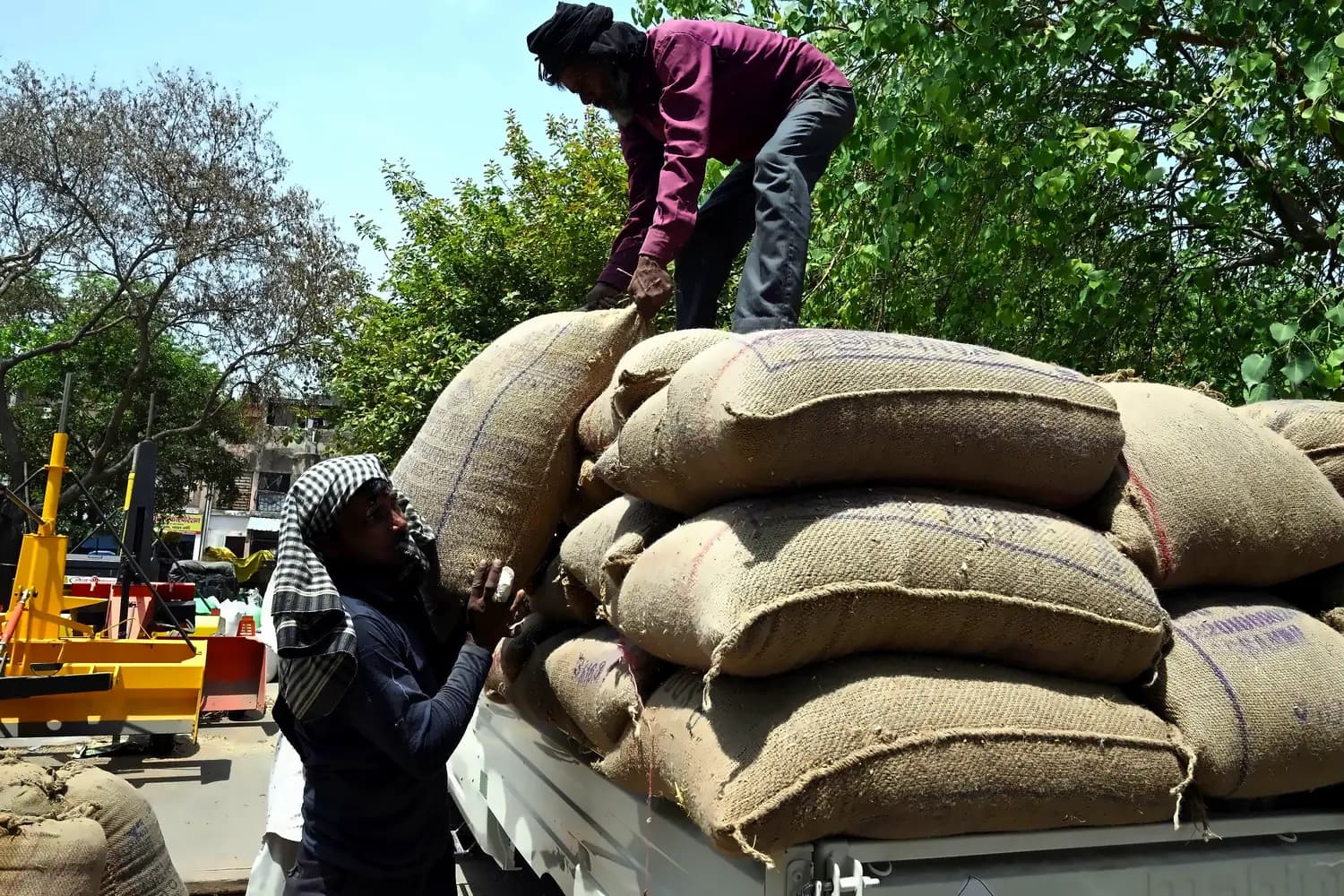
The wheat price surge has significant implications for Bangladesh's economy, with refined wheat flour prices in Dhaka jumping 17% over the past month according to the state-run Trading Corporation of Bangladesh. As reported by Business Standard and Bloomberg, wheat is the country's second-most consumed cereal, and higher prices add to inflation risk at a time when consumer-price growth remains elevated. Industry experts note that while supply availability is improving, affordability remains the bigger concern for the cash-strapped importer. "The bigger risk for Bangladesh is affordability, rather than availability," said Vladimir Zinkovski, head of APAC crops research at S&P Global Energy, adding that elevated prices may increase rice consumption. Indonesian buyers have been paying around 20% to 25% more for Australian wheat than the prices at which they previously booked Black Sea cargoes, with transportation adding another layer of cost.
The increased availability of Indian wheat is expected to benefit neighboring markets as well. According to the US Department of Agriculture's Foreign Agricultural Service, exports to Bangladesh and Nepal have already increased, while the United Arab Emirates and Indonesia could also see more shipments. The agency noted that "increased availability is critical for nearby import-dependent markets," with Indian wheat potentially becoming a meaningful additional source of regional wheat supply. "There will probably be a market for Indian wheat in neighboring countries," said Abhinav Vijay, a director at Agrocorp International Pte Ltd. Vietnam has turned to US wheat to replace missing Black Sea cargoes, although the supplies came at a higher price, while some countries are also turning to India after New Delhi recently scrapped its years-long ban on wheat exports. The sudden increase in demand is putting pressure on alternative suppliers, with some Southeast Asian millers booking smaller shipments rather than committing to large bulk cargoes.