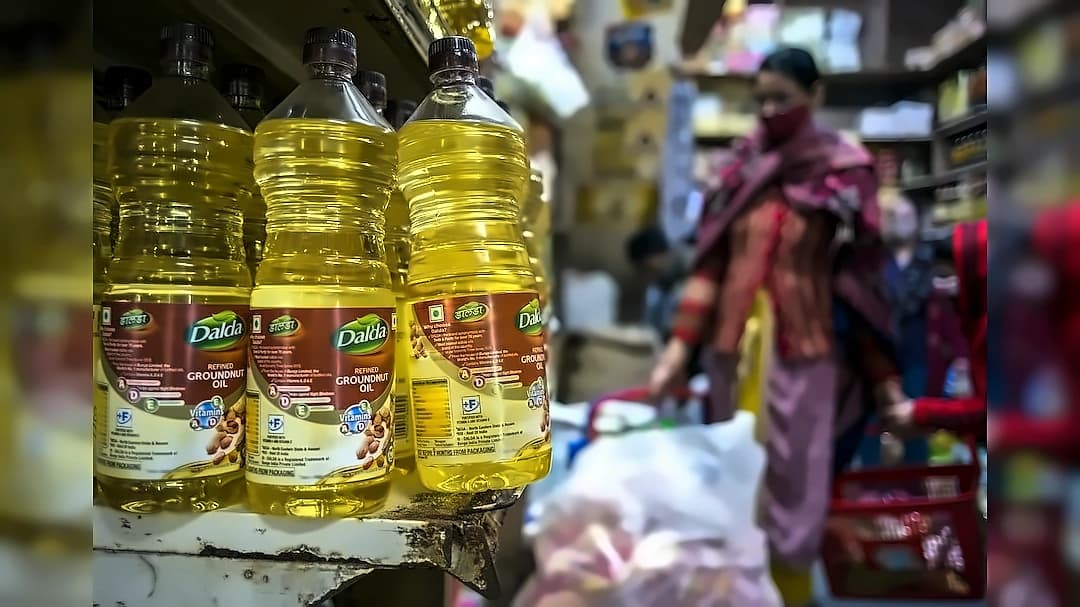
India's vegetable oil imports have jumped 13% in the first half of 2025-26, driven by a surge in palm oil demand, according to The Economic Times. This significant increase in import volumes has intensified government deliberations over raising import duties on vegetable oils. The world's top edible oil buyer is examining whether higher taxes would help local farmers secure better prices for their crops while also curbing foreign-exchange outflows linked to heavy commodity imports. However, no decision has been taken yet, as confirmed by officials familiar with the matter who requested anonymity due to the confidential nature of the information.
The deliberations come as the government steps up efforts to curb foreign-exchange outflows, which have put pressure on the rupee - Asia's worst-performing currency this year. The Indian rupee weakened further and closed at a record low of 96.35 against the US dollar on Monday, pressured by rising crude oil prices, as reported by Bloomberg. Earlier this month, Prime Minister Narendra Modi urged consumers to cut dependence on major imported goods, including vegetable oils, fertilizers, gold and crude oil. India imports about 60% of its edible oil needs, making this sector particularly vulnerable to currency fluctuations.
A United Nations gauge of global food-commodity costs climbed last month to the highest level in more than three years as the Iran conflict disrupts supply chains, driven by higher vegetable oil, meat and cereal prices, according to Business Standard. Palm oil, the world's most-widely used edible oil, has surged around 12% since the conflict began, as top producers Indonesia and Malaysia ramp up biofuel production to cushion the impact of higher energy costs. Any increase in import duties could affect shipments of palm oil, soybean oil, and sunflower oil sourced mainly from Indonesia, Malaysia, Argentina, Brazil, Russia, and Ukraine. The proposal also comes at a time when global food prices are rising sharply due to the conflict.

India last year reduced the basic import duty on crude palm, soybean and sunflower oils to 10% from 20% to curb domestic prices and support processors, as reported by Business Standard. The government also directed the industry to pass on the benefits of the tax cuts to consumers. This recent reduction in import duties represents a significant policy shift that could now be reversed if the current consideration leads to higher tariffs. Last week, the government hiked import duty on gold and silver to 15% to curb non-essential imports, following the same strategy of reducing dependence on imported commodities.