Gold has achieved another milestone in the first quarter of 2026, hitting a record high of over $5,500 per troy ounce, according to latest market data. This represents a remarkable 64.57% return for 2025, building on the strong momentum from the previous year's performance. The precious metal's surge reflects its continued appeal as a hedge against inflation and geopolitical uncertainties, with analysts predicting further gains driven by global economic pressures and central bank demand. The LBMA gold price averaged $4,873 per ounce for the quarter - itself a record - after hitting an all-time high of $5,405 per ounce in January.
Leading financial institutions have issued increasingly bullish forecasts for gold prices in 2026. Goldman Sachs projects gold could reach $5,400 per troy ounce during the year, while J.P. Morgan has set an even more ambitious target of $6,000-$6,300 per troy ounce. Looking further ahead, J.P. Morgan predicts that gold prices could climb to $8,000 per troy ounce by 2030, contingent on increased private investor participation in gold holdings. These projections are based on factors including inflation concerns, central bank interest rate policies, and ongoing geopolitical tensions that continue to support safe-haven demand.
Deutsche Bank has made a striking projection that bullion's share in global central bank reserves could increase to 40%, up from around 30% currently. Based on this scenario, the German investment bank ran a simulation indicating that gold prices could climb to $8,000 an ounce within five years, implying nearly 80% upside from current levels. However, Northern Miner reports that Deutsche Bank has now extended its forecast to $8,000 by 2031, reflecting the broader market view that gold could be one of the biggest beneficiaries of the global de-dollarisation trend as confidence in US assets weakens. The latest analysis suggests this drastic shift in reserve allocation by central banks has not been seen on this scale since the years following the Great Depression or the dissolution of the Bretton Woods system.
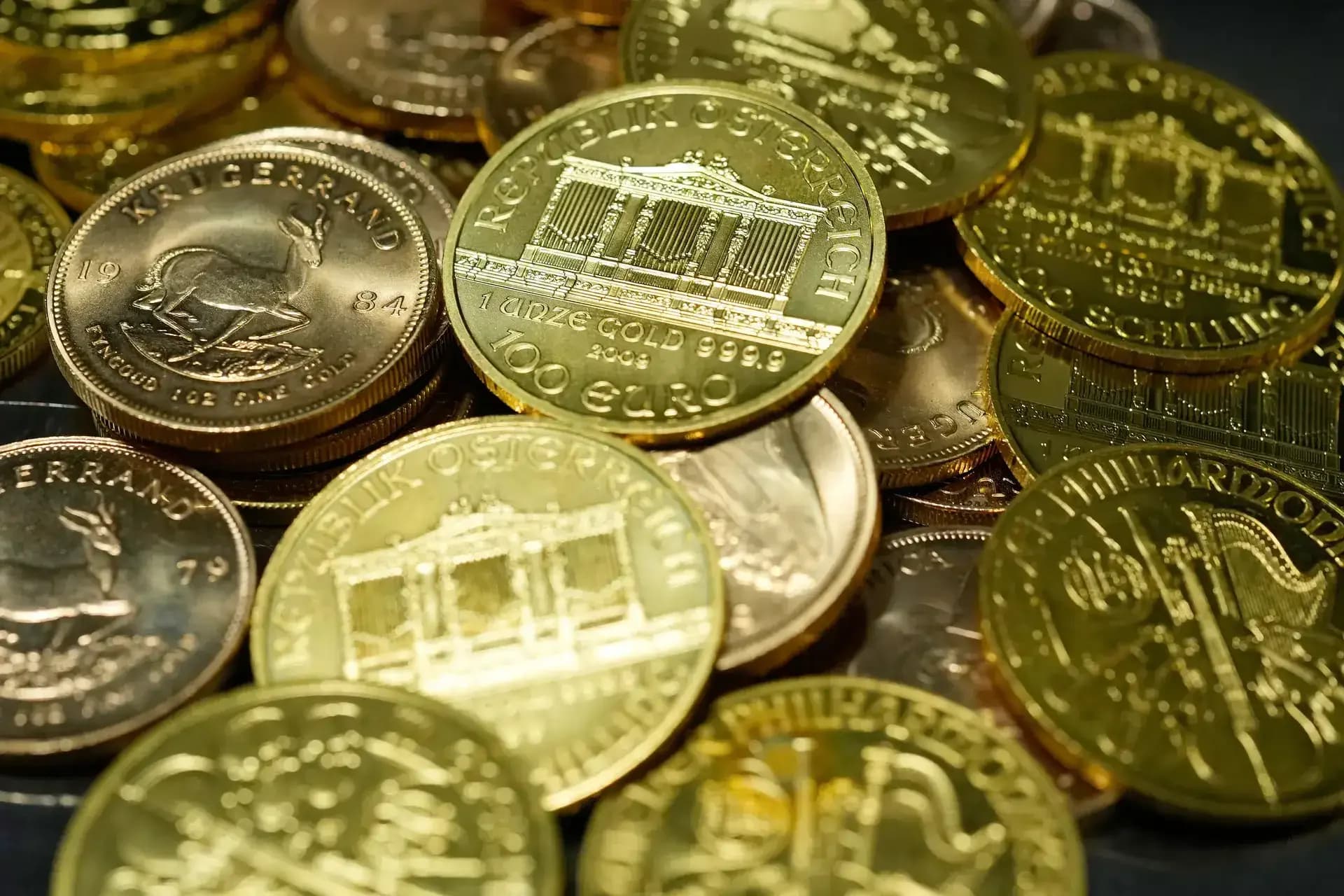
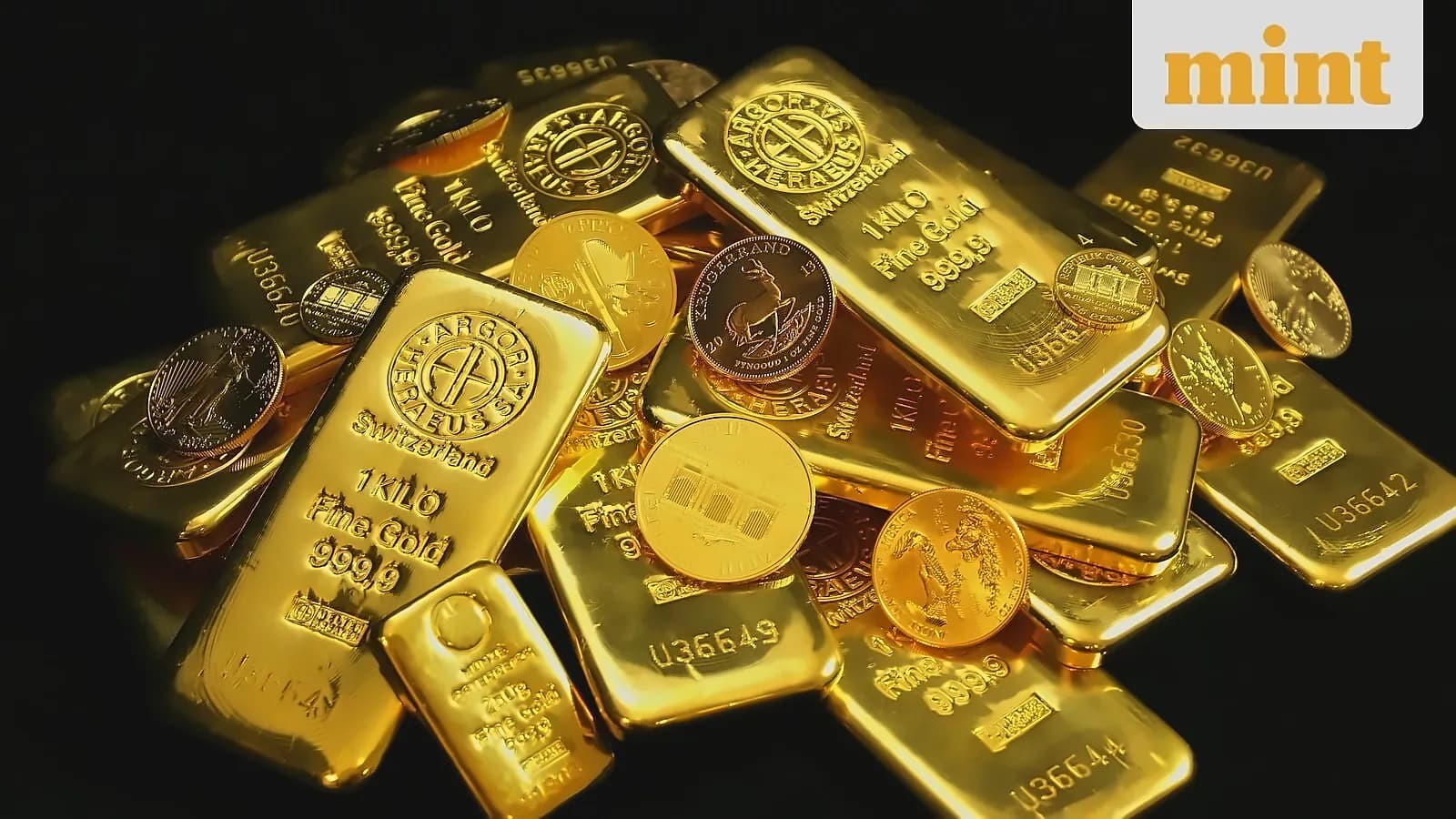
Global gold demand reached a record US$193 billion in Q1 2026, driven by unprecedented buying sprees across Asia and China's historic record purchases. Net central bank demand remained positive at 244 tonnes, up 3% year-on-year, with Poland (31 tonnes) and Uzbekistan (25 tonnes) leading purchases. The People's Bank of China added 7 tonnes, more than doubling its Q4 2025 net purchase, while Chinese investors snapped up 207 tonnes of gold bars and coins - a record that demolished the previous high of 155 tonnes set in Q2 2013. Global bar and coin demand reached 474 tonnes, valued at US$74 billion - more than three times the prior five-year quarterly average. However, Turkey's central bank sold around 70 tonnes in Q1, roughly 10% of total official holdings, utilizing additional 80 tonnes via gold swaps for foreign exchange purposes.
Gold's remarkable performance in 2025, with returns of 64.57%, demonstrates its effectiveness as a long-term investment vehicle. However, as reported by The Economic Times, prices have declined since the US-Iran war began, erasing around two-thirds of the gains made since January, when the metal touched a record high. The weakening of gold's traditional safe-haven characteristics during geopolitical stress has been attributed to the sharp rise in crude oil prices and escalating tensions, which have created a broad risk-off mood across financial markets. Despite these short-term challenges, analysts expect continued support from central bank demand and potential interest rate cuts, with the precious metals market structure being altered by greater emphasis on gold reserves' security and stability. Investment and central bank demand are expected to stay supported through 2026, with bar and coin buying likely to feature more prominently than ETFs as inflation fears and geopolitical uncertainty keep drawing savers and speculators toward gold.