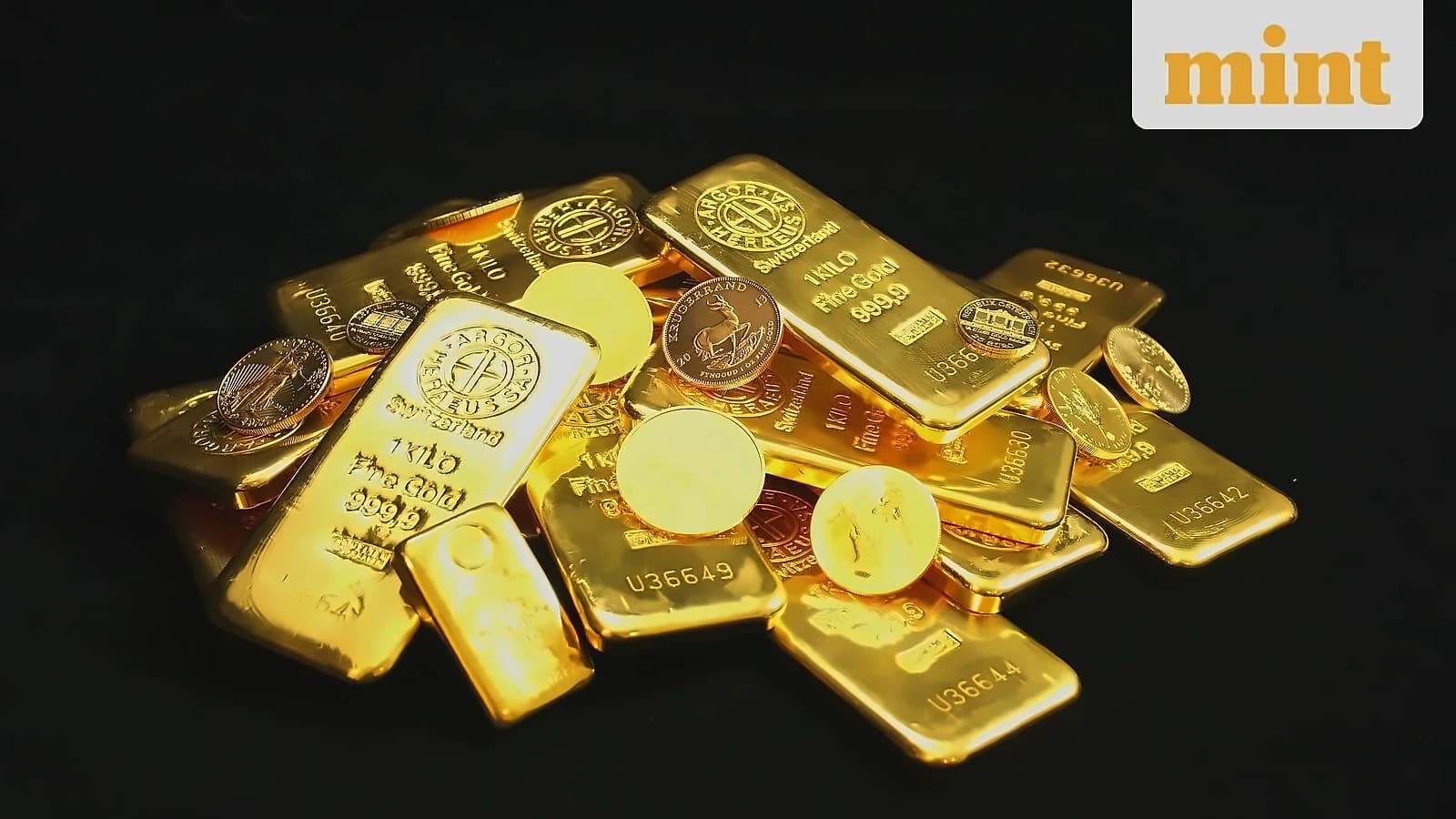
Gold prices have experienced a significant correction, down 15% from their peak of $5,595 in late January to approximately $4,728, as reported by Reuters. The sharp decline has come just as risk assets have become more supportive again, creating confusion about whether this represents a cooling in near-term demand or a broken long-term thesis. Despite the correction, the Reuters analyst consensus sits at $4,746, essentially where gold currently trades, while institutional year-end targets still range from $5,400 to $6,300. The recent weakness in the trading layer does not automatically mean the buyer base has weakened in a durable way. However, Grok AI analysis suggests the correction may be temporary, with gold currently at $4,360 showing signs of recovery with a 3.65% bounce off the June low near $4,050.
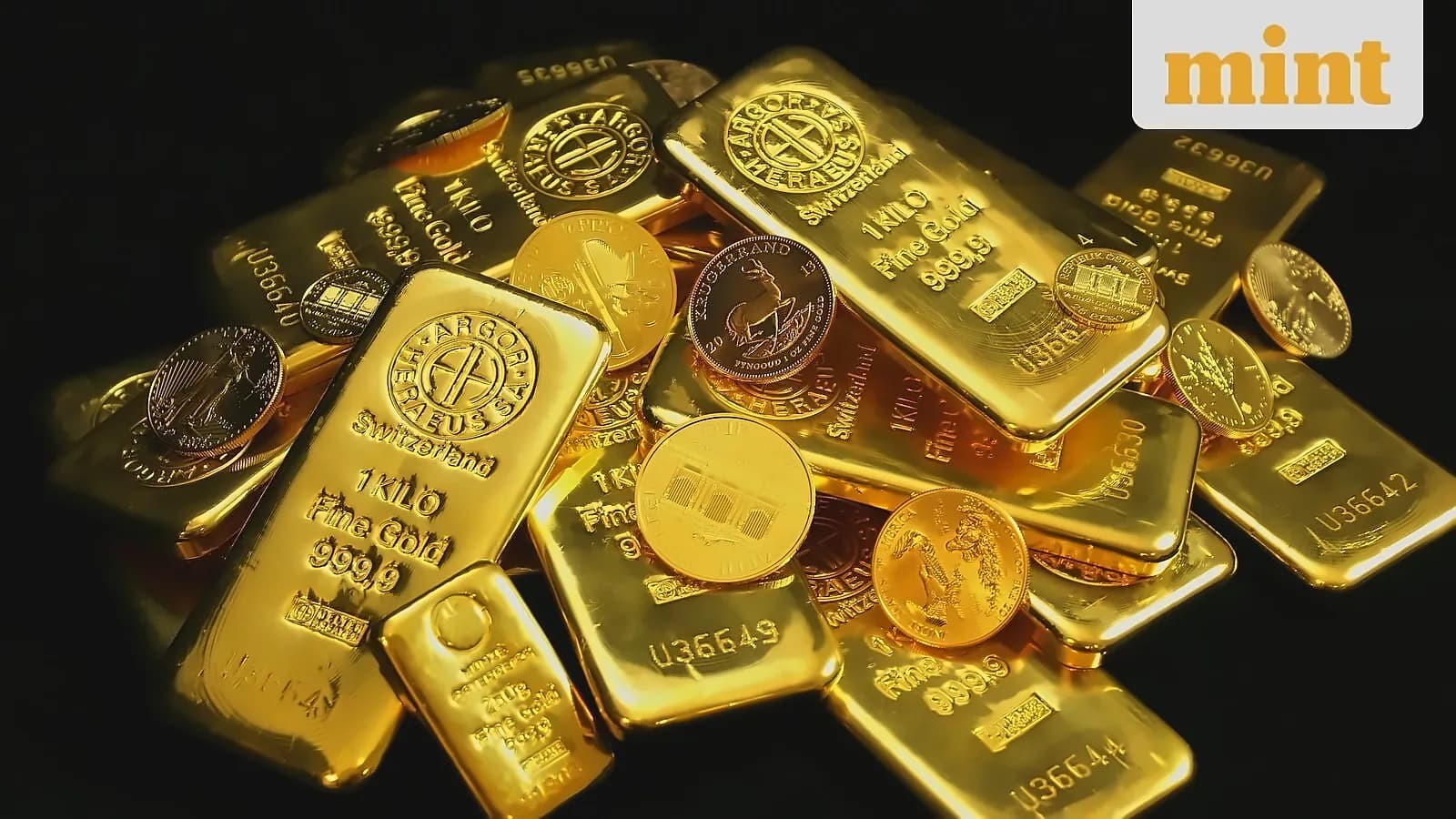
Despite the recent correction, Grok AI maintains an extremely bullish outlook, predicting gold prices could reach $5,500 to $6,500 by year-end 2026, representing a potential 26% to 49% move from current levels. According to Grok AI, this prediction is built on structural forces that do not reverse in a quarter, including central banks actively diversifying away from dollar reserves and buying physical gold at unprecedented levels. The analysis emphasizes that this demand is policy-driven and sticky, with central banks, particularly China and emerging market nations, actively diversifying reserves. The bear case is described as the narrowest on this prediction series, with faster global disinflation, a resilient dollar, or meaningful de-escalation in key geopolitical conflicts potentially pulling gold back toward the $3,800 to $4,500 range.
A significant development in 2026 has been the shift in gold's primary demand category, with physical investment surpassing jewelry for the first time in the current year. This diversification matters because it means gold demand is no longer being driven mainly by one segment, making the market more exposed to inflation expectations, real yields, and geopolitical risk. The market now appears more resilient if speculative positioning unwinds, though this mix can also make price action more volatile in the short run. The main watchpoint remains whether central-bank buying cools materially at the same time investment demand fades, as this would significantly weaken the bullish case. Grok AI notes that the current demand structure is built on structural forces rather than hype or cycle narratives.
The report highlighted the role of central banks, which have been a key driver of gold's rally in recent years. While official data showed central banks sold 129 tonnes of gold in the first quarter of 2026 and reported net purchases of only 16 tonnes, JP Morgan said alternative estimates suggest actual buying activity remained much stronger. Citing World Gold Council estimates based on over-the-counter market data and Swiss refinery flows, the report said gold purchases in the first quarter of 2026 may have reached 244 tonnes, up from 208 tonnes in the previous quarter. The People's Bank of China has continued its buying streak, adding to reserves in May and extending its buying streak to 19 months even as spot gold fell. Grok AI analysis suggests this central bank buying is policy-driven and sticky, with no modern precedent for the current pace of diversification away from dollar reserves.
The technical analysis shows gold's recent recovery from the $4,050 June low near the $4,000 to $4,200 zone that previously served as resistance before the big run to $5,500 in February. Grok AI notes that former resistance becoming support is one of the cleaner signals in technical analysis, with today's 3.65% bounce suggesting the market agrees with this interpretation. For Grok's $5,500 to $6,500 target to materialize, the obvious immediate test is the $4,600 to $4,800 zone where multiple failed recovery attempts since March have stalled. That overhead supply needs to be absorbed before the chart can make a run at the February highs and then beyond. The bear case floor at $3,800 to $4,500 sits well below current price, meaning the risk-reward from current levels tilts heavily in favor of the bullish prediction.