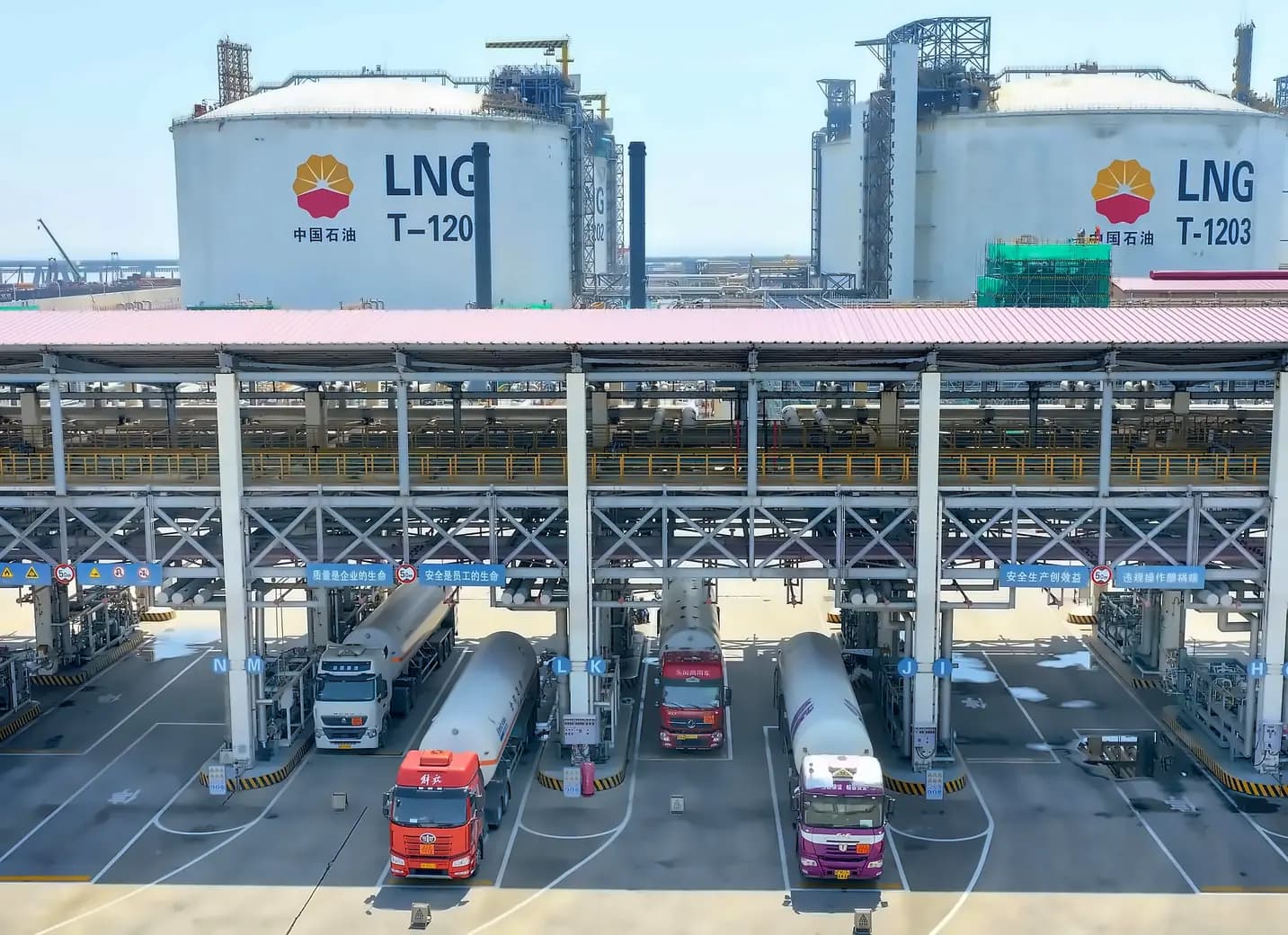
China's National Financial Regulatory Administration (NFRA) has instructed the country's largest banks to temporarily suspend new lending to five oil refineries recently sanctioned by the United States over their links to Iranian oil. According to Bloomberg, the directive was issued before China entered its long holiday period on 1 May, with banks told not to extend new yuan-denominated loans to the affected companies. However, they have not been instructed to withdraw existing credit facilities. The NFRA, which oversees China's banking and insurance sectors, has not responded to requests for comment on the lending restrictions. This marks the first time Beijing has applied rules introduced in 2021 to counter foreign sanctions, aimed at protecting domestic companies from what it considers unfair extraterritorial laws.
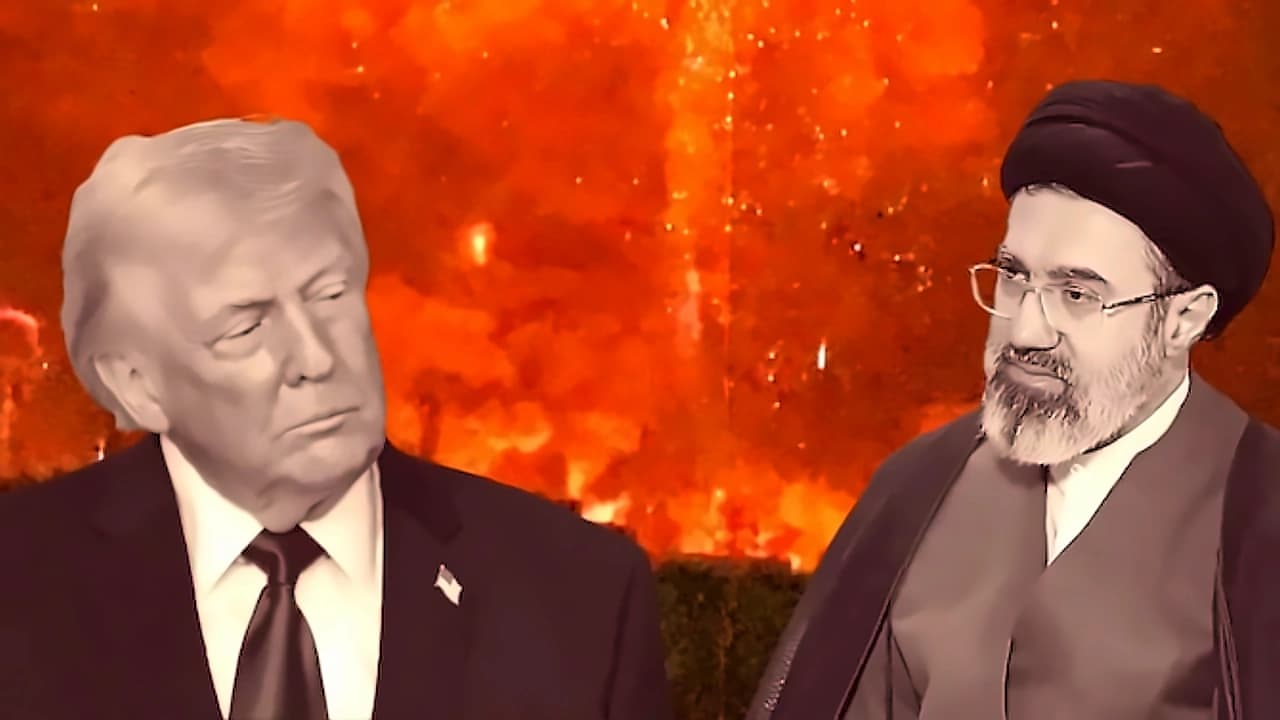
The US Treasury Department has significantly escalated its pressure campaign against Chinese companies involved in Iranian oil transactions. Late last month, the Office of Foreign Assets Control blacklisted Hengli, targeting one of China's major crude oil processing companies. According to Bloomberg, the US has also warned banks that they could face secondary sanctions if they support Chinese private refiners purchasing Iranian oil. US Treasury Secretary Scott Bessent confirmed that the US government had sent letters to two Chinese banks warning of the risk of secondary sanctions if they were found supporting Iran-related transactions, although he did not disclose the banks' identities. This represents a major escalation from previous warnings, as the Trump administration intensifies its sanctions campaign against Iranian oil shipments.
Despite China's current resistance to US sanctions, loan data compiled by Bloomberg showed China's four largest banks — Industrial and Commercial Bank of China (ICBC), Agricultural Bank of China, China Construction Bank (CCB) and Bank of China — were still extending loans to Hengli as recently as 2018. Neither the banks nor Hengli have commented on their current lending relationships. While China frequently condemns unilateral sanctions, Beijing has previously also quietly allowed major companies to comply with US sanctions in order to avoid wider damage to the domestic economy. Large Chinese banks are known to have complied with US sanctions against Iran, North Korea and senior Hong Kong officials in order to maintain access to the US dollar clearing system. In earlier cases, Beijing also redirected Iran-related transactions through Bank of Kunlun Co., a subsidiary of China National Petroleum Corp, which has also since been placed under US sanctions.
China's Commerce Ministry reportedly issued a directive on Sunday invoking a 2021 'blocking statute' that bars Chinese firms from complying with foreign sanctions Beijing considers illegitimate. According to Fox News, this represents a significant escalation from previous directives, as Beijing now extends protection to domestic companies through explicit legal authority. The order reportedly applies to several Chinese refiners accused by the United States of purchasing Iranian crude, including independent 'teapot' refineries. As per analysts, this represents a shift from years of opaque workarounds to more explicit state-backed resistance, as Beijing signals it will not cooperate with US efforts to cut off a key source of revenue for Iran. Max Meizlish, a research fellow at the Foundation for Defense of Democracies, described it as 'unprecedented' and 'a major escalation' in China's response to US economic statecraft. The policy also contrasts with a notice issued by China's Commerce Ministry on 2 May instructing companies to ignore US sanctions, highlighting Beijing's dilemma in demonstrating resistance while shielding state-owned banks from US secondary sanctions.
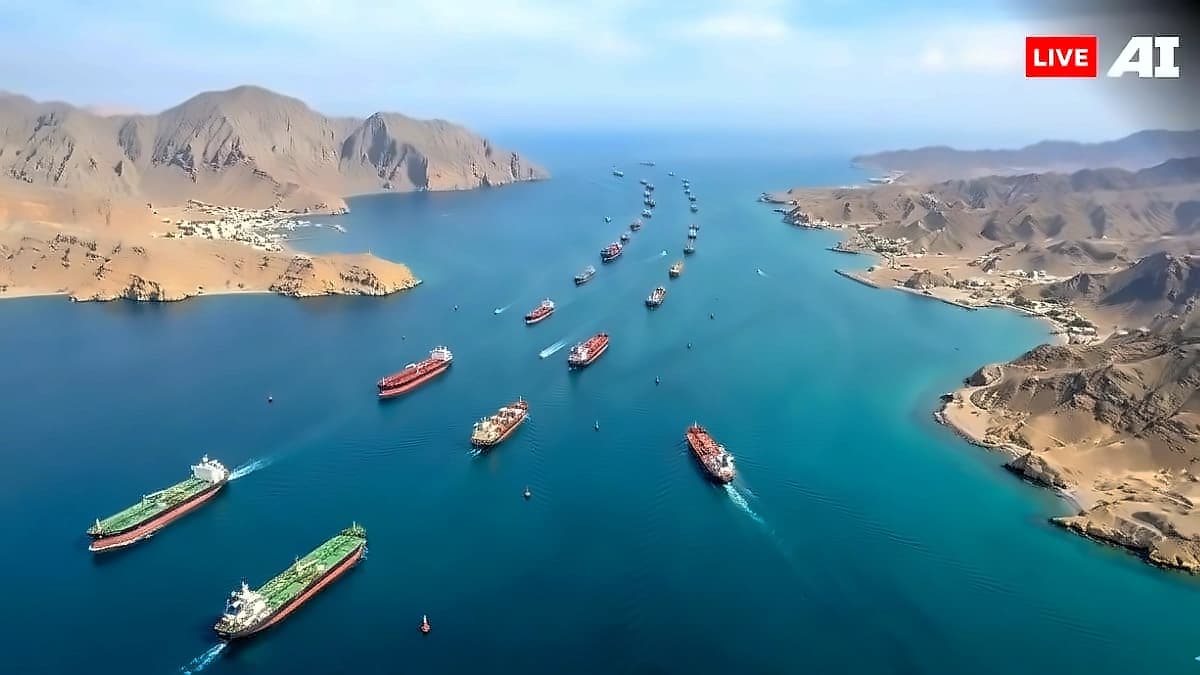
The latest developments come ahead of a highly anticipated meeting between US President Donald Trump and Chinese President Xi Jinping in Beijing on 14-15 May. Meanwhile, Iranian Foreign Minister Abbas Araghchi arrived in Beijing this week for talks with Chinese Foreign Minister Wang Yi, underlining China's growing role as both Iran's leading oil customer and a major diplomatic partner. Despite mounting sanctions and a US naval blockade aimed at restricting Iran's oil exports, shipments have continued through increasingly opaque maritime networks. Data from maritime intelligence firm Windward shows a surge in vessels operating without tracking signals, with the majority of ships in the Strait of Hormuz recently going 'dark.' In one recent snapshot, 146 of 167 vessels in the area were not transmitting location data, making enforcement significantly more difficult. Windward analysts also identified continued covert loading activity at Iran's main export hub at Kharg Island, including large crude carriers operating without tracking signals despite heightened enforcement pressure.